Take the load off the problem
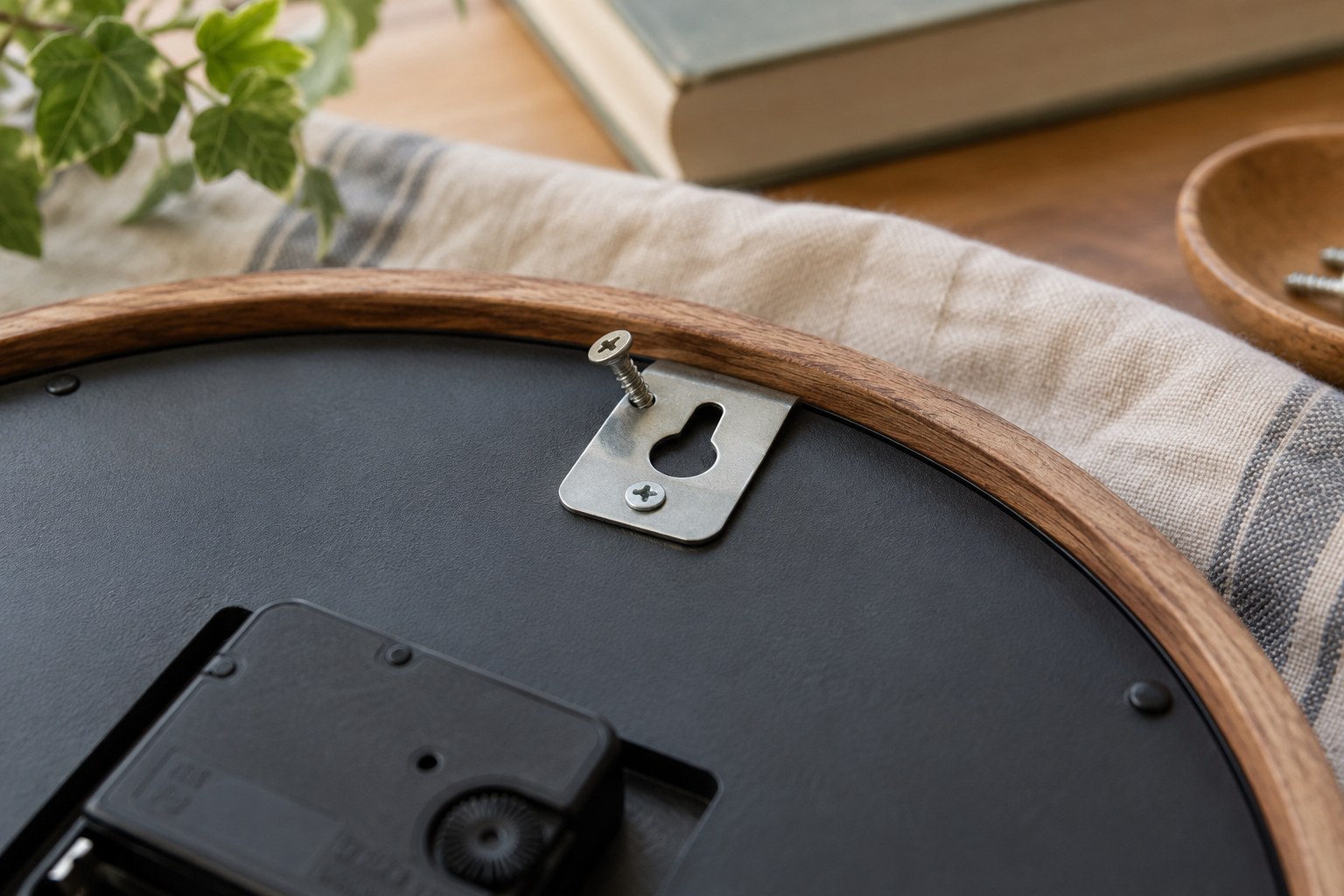
If the hanging hook or bracket moves unexpectedly, stop treating it as a minor cosmetic issue. Arrange to remove the clock safely, supporting the case and getting assistance if its size or position makes that difficult. Keep the area below clear. Do not leave it hanging while you decide whether another screw might help. Avoid reaching from an unstable chair or pulling on the clock to test the fixing. Once it is safely down, place it on a protected surface that does not press against the hands or controls.
Identify which part is loose
There is a difference between a wall fixing moving in its substrate and a hanging point loosening from the clock's case. Photograph both without dismantling unfamiliar parts. Check the clock's installation instructions and net weight. A replacement wall fixing must suit the actual wall material as well as the clock's hanging arrangement. If the case has cracked around its attachment, fitting a stronger wall hook will not solve that damage. Do not rely on glue, tape or a larger improvised screw to restore a structural point without appropriate advice.
Rehang only after the cause is addressed
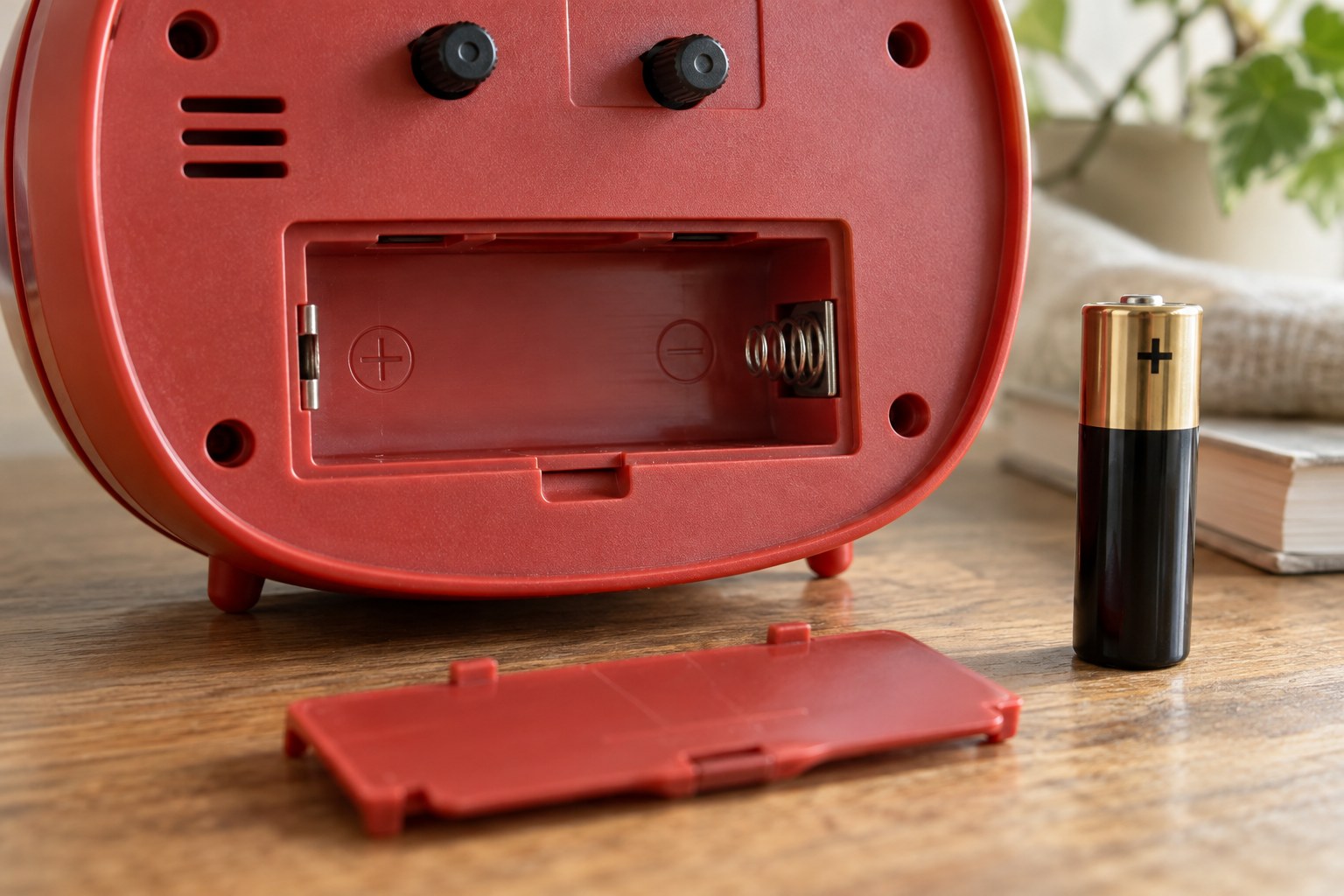
Ask the manufacturer about a damaged case attachment, or use a competent installer if the wall or fixing is uncertain. Confirm that the clock can engage fully with the approved mounting and that there is enough clearance to lift it on and off safely. After installation, check the visible seating as directed rather than tugging hard on the case. Record the fixing information with the manual so a future move does not begin with guesswork. Consider whether a more accessible location would make routine battery changes less awkward and reduce repeated handling of the attachment.