Clocks at home
Find a useful place for a familiar object.
15 guides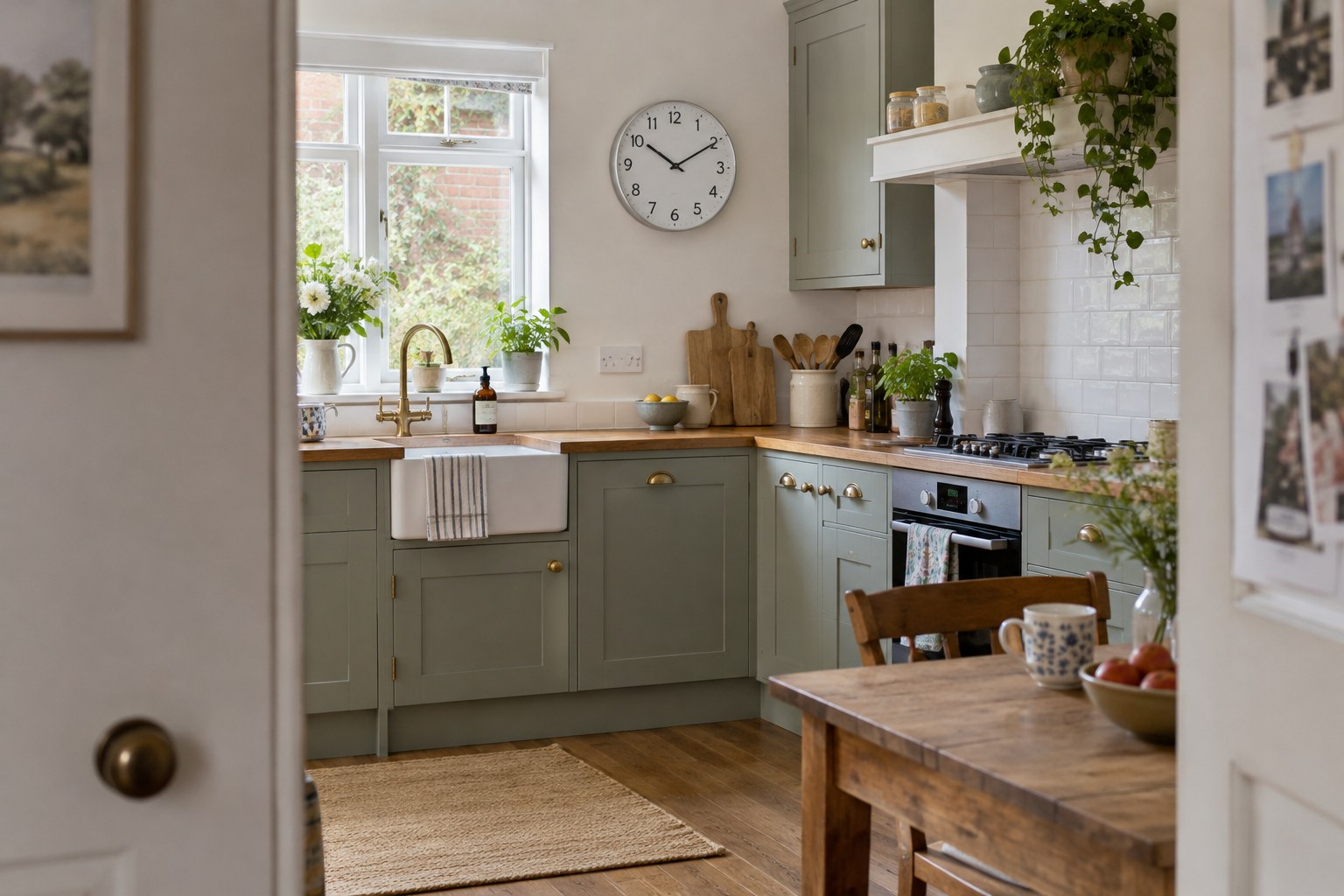
Finding the right height for a kitchen clock
Choose the sightline first, then check cupboards, splashes and the fixing point.
Read the notes ↗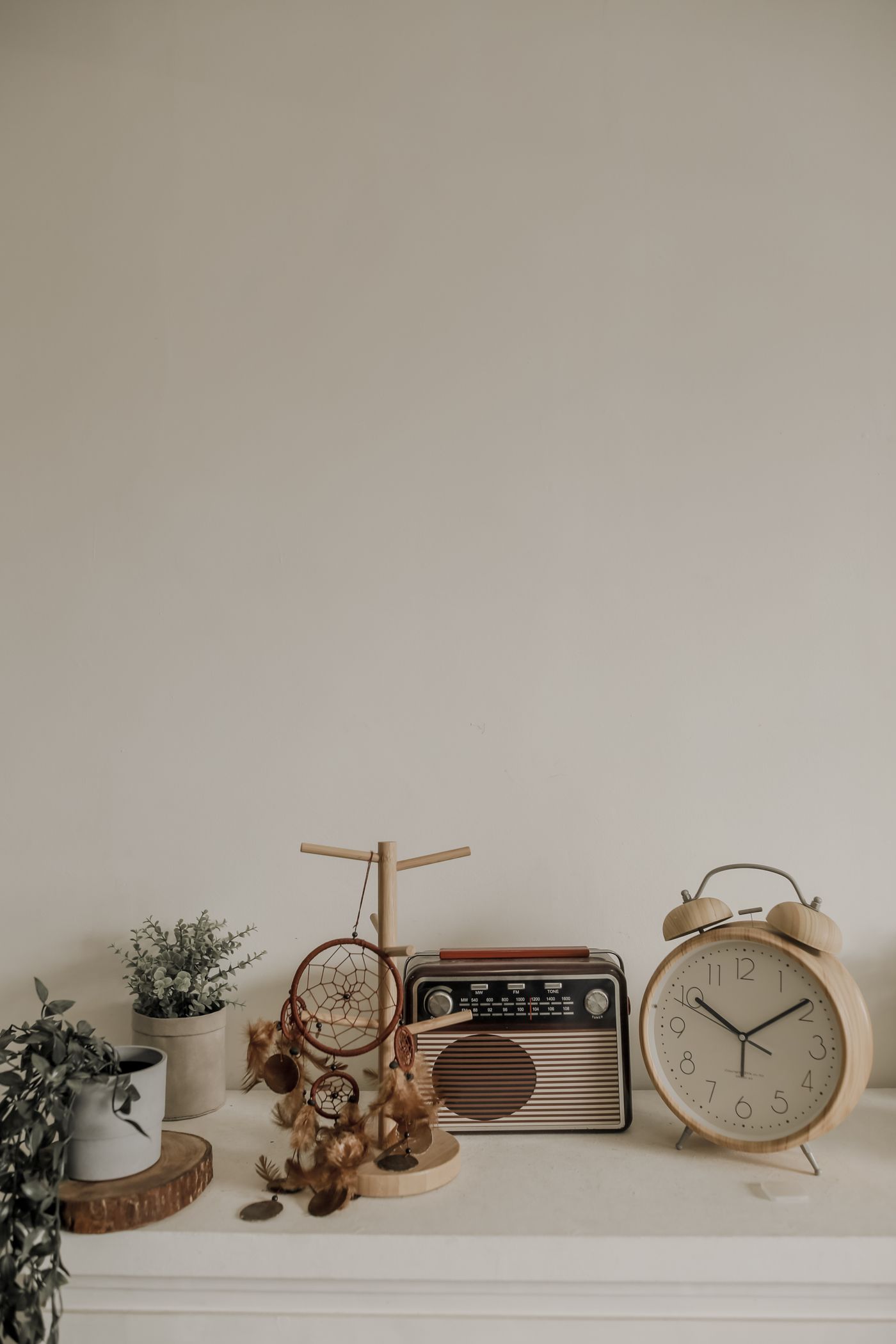
Placing a mantel clock without crowding the shelf
Let the clock's base, depth and access needs decide how much of the mantel it occupies.
Read the notes ↗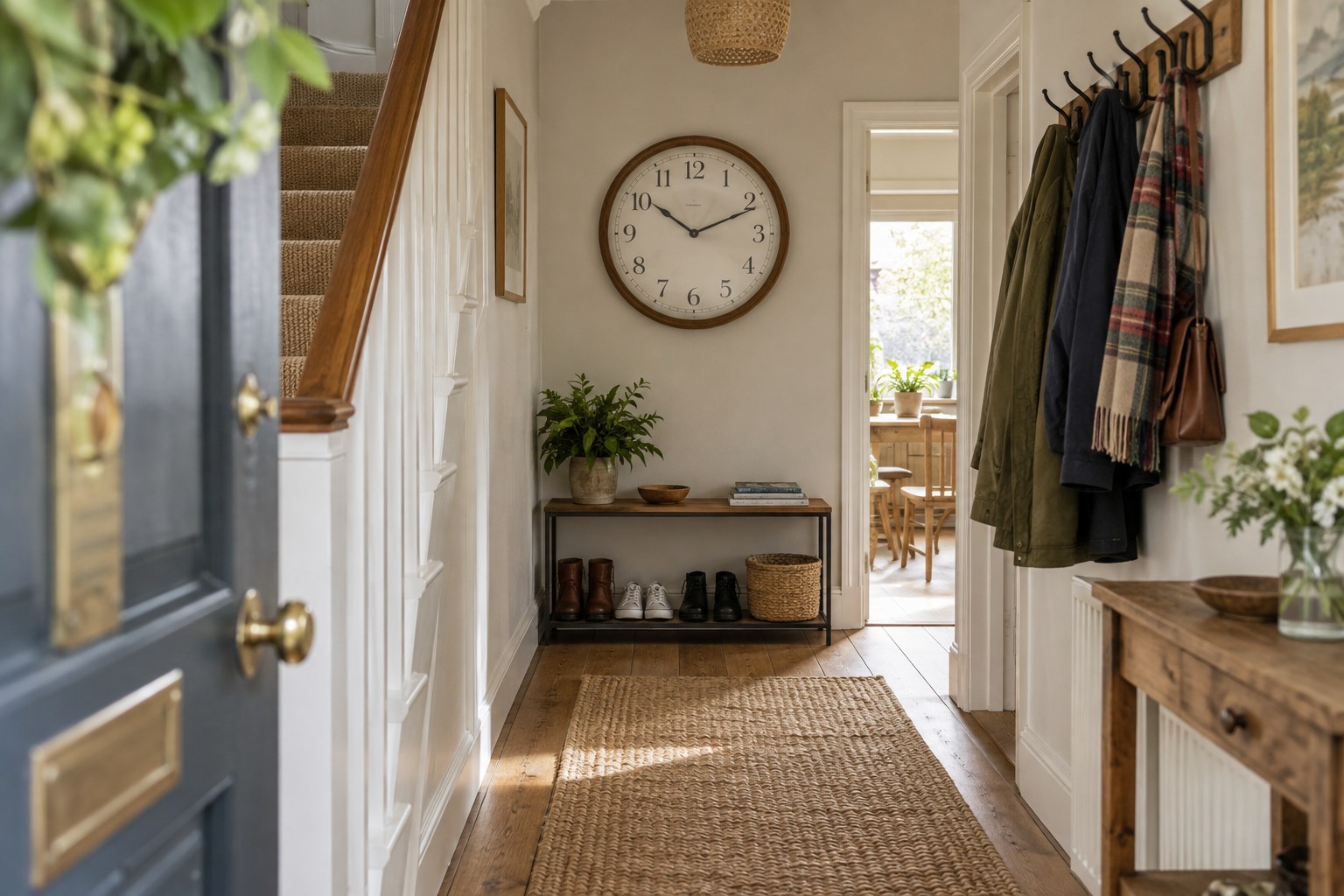
A hallway clock that works from the doorway
A hallway clock has a short moment to be useful as you leave or arrive.
Read the notes ↗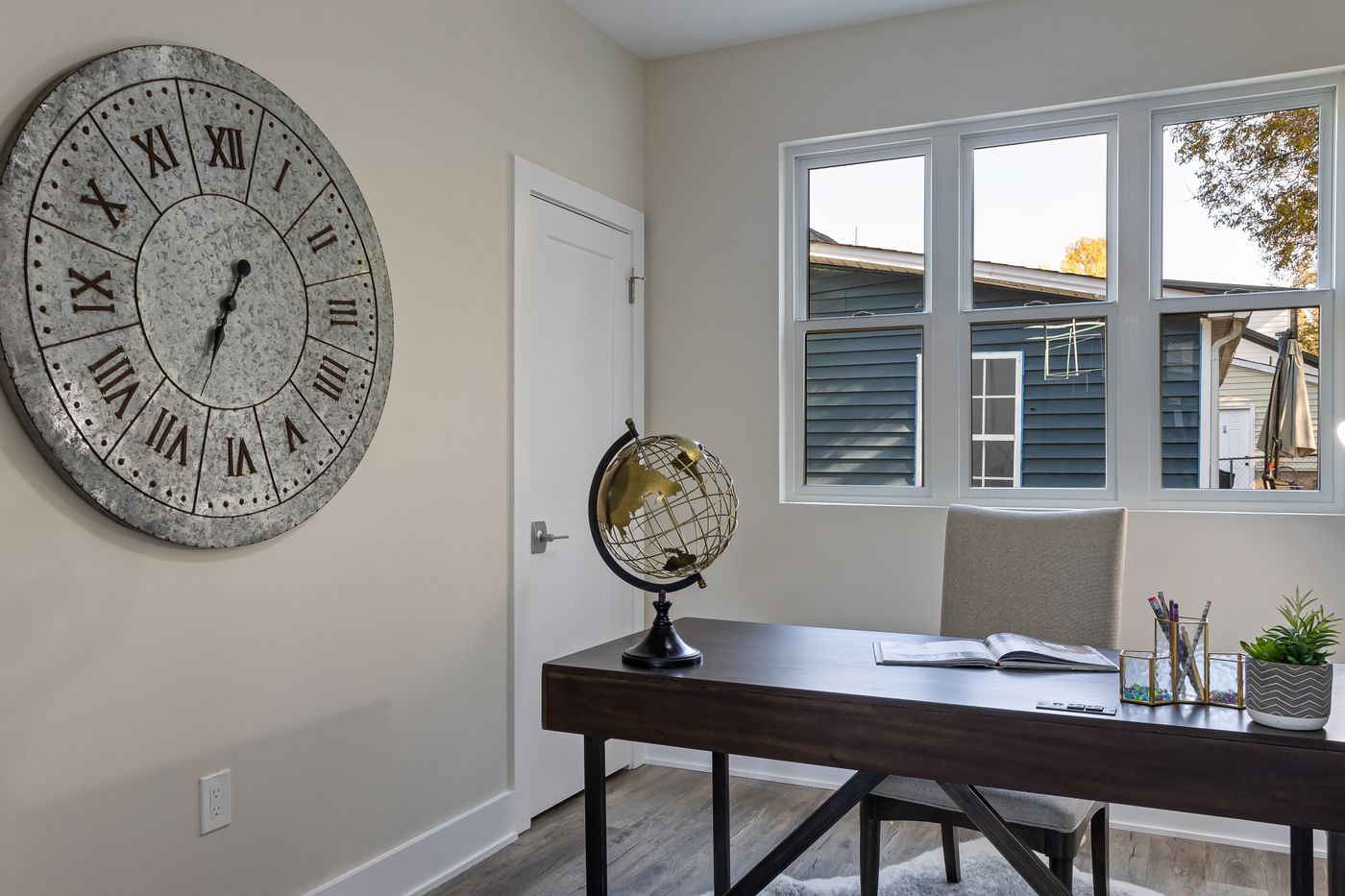
Hanging a clock above a desk
Place the dial where a glance can find it without competing with the screen.
Read the notes ↗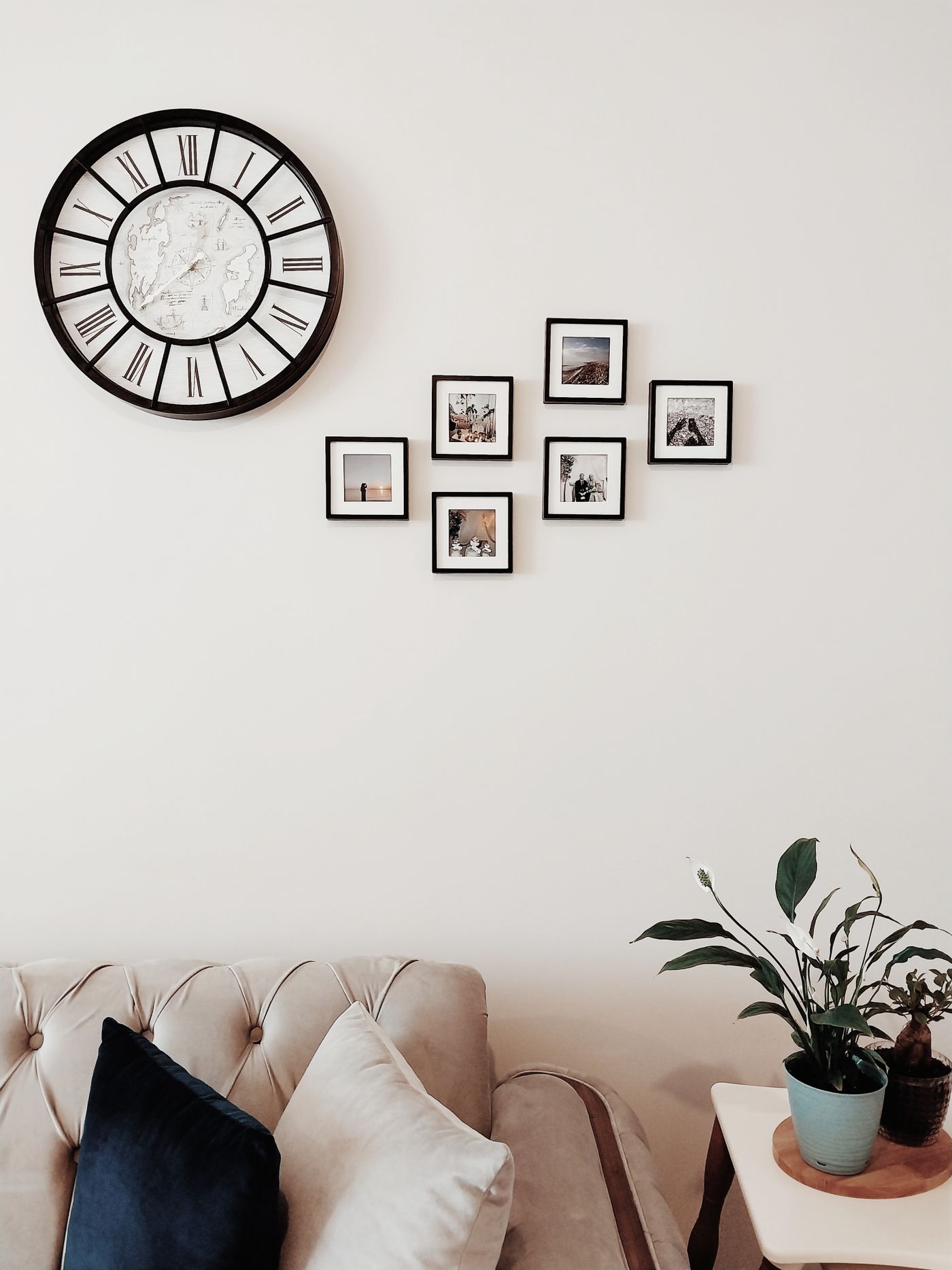
Balancing a large clock with smaller wall art
Treat the clock as one clear shape, then decide how the smaller frames relate to it.
Read the notes ↗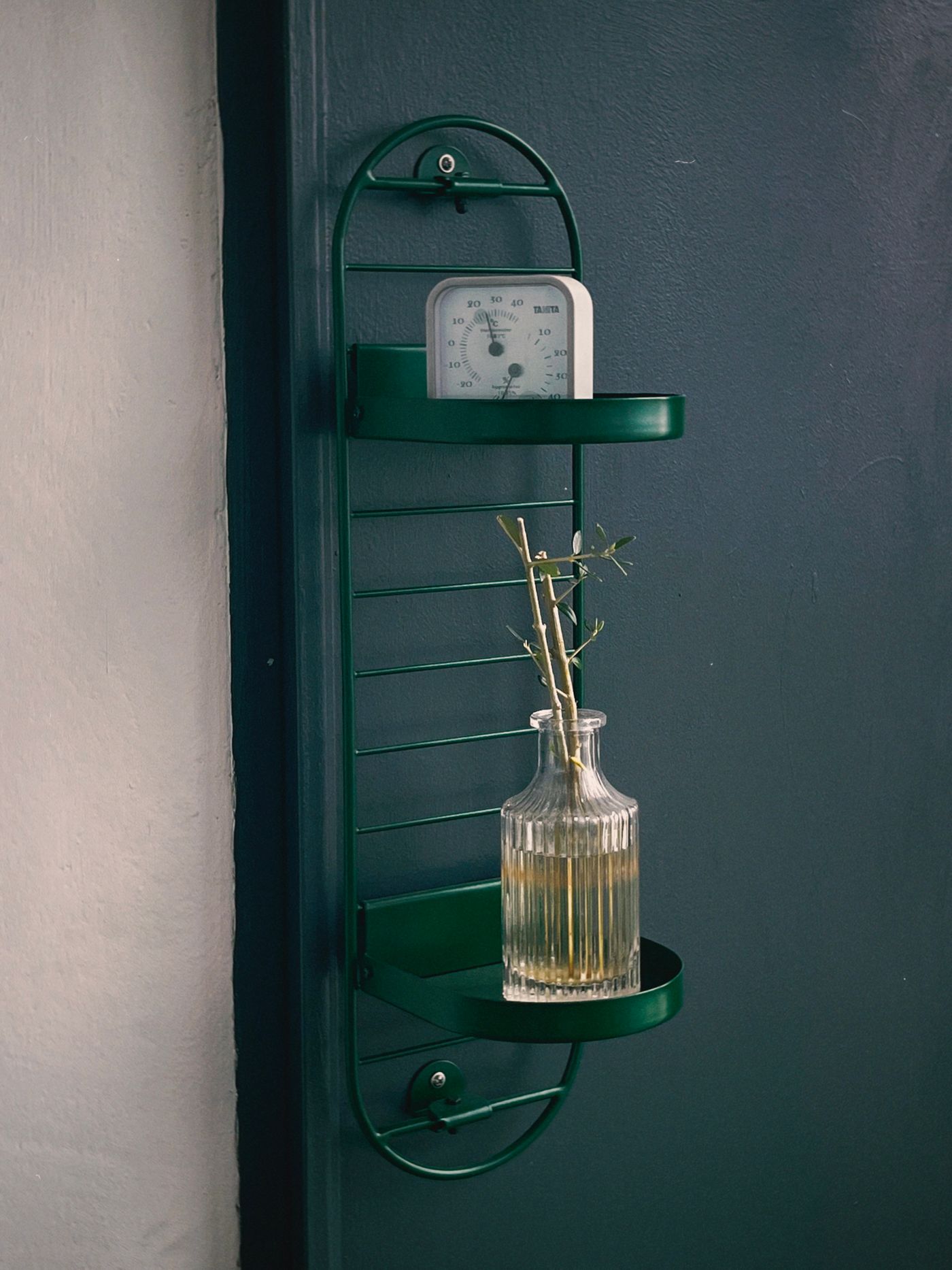
Using a small clock on open shelving
A shelf clock needs a stable base and a view that survives the rest of the display.
Read the notes ↗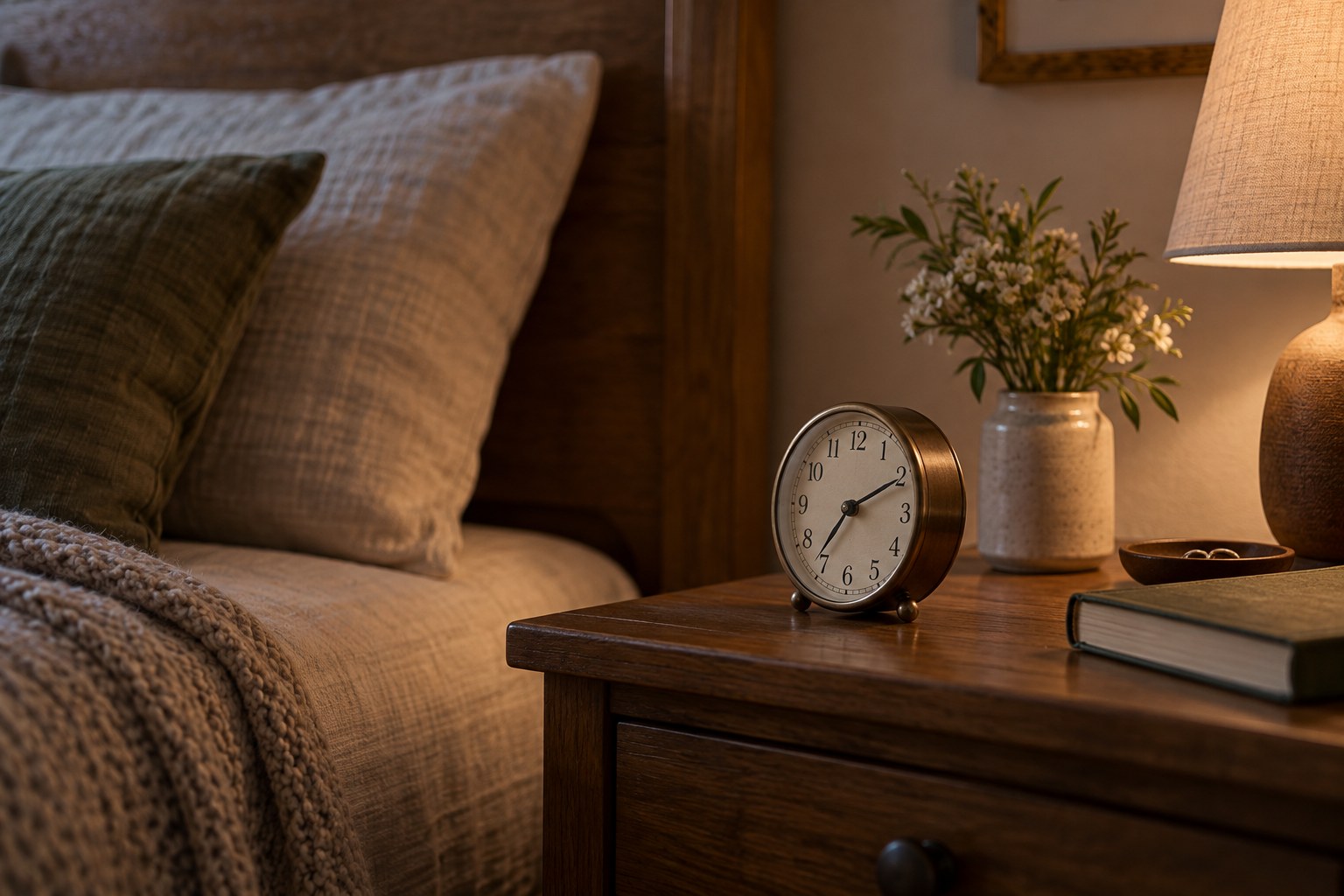
Keeping a bedroom clock out of your eyeline
You can keep a clock within reach without making its face the centre of the bedroom.
Read the notes ↗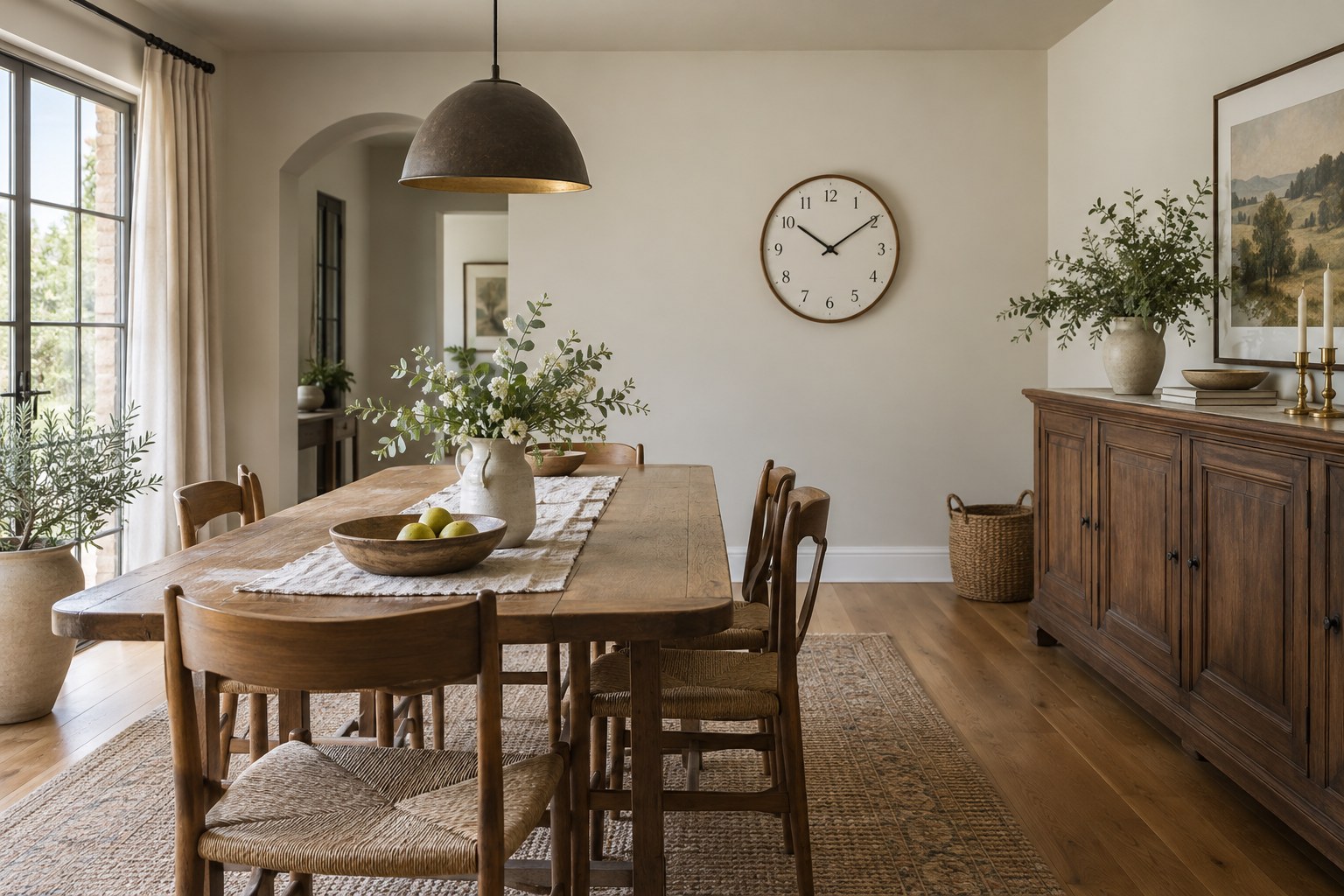
A dining-room clock with room to breathe
Let a dining-room clock be readable without competing with lights, tall furniture or the table setting.
Read the notes ↗
Matching a metal clock to existing room finishes
Compare finish, sheen and visual weight before trying to match every metal in the room.
Read the notes ↗