Read the description closely
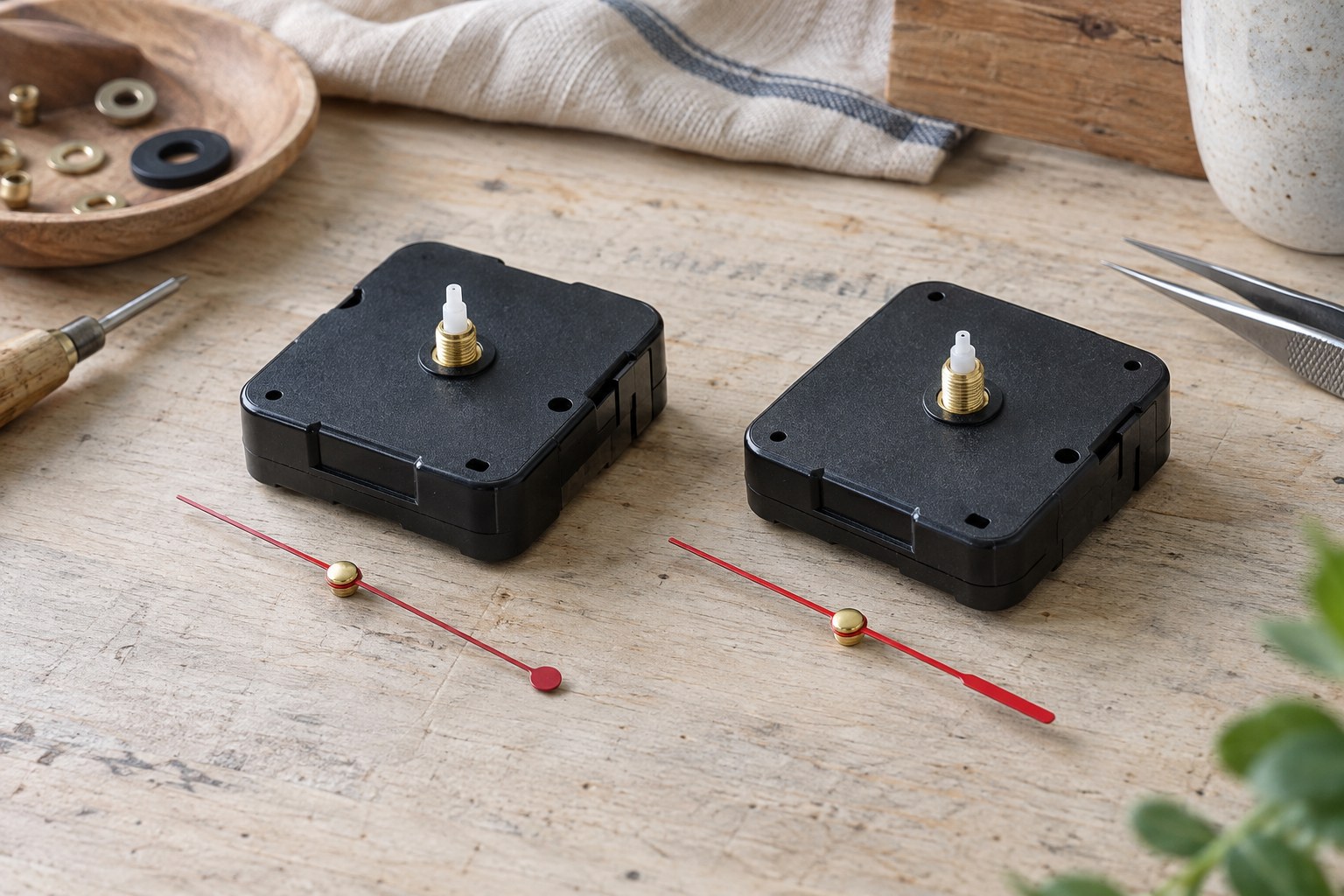
A listing that says silent may mean there is no distinct once-a-second tick. It does not necessarily promise an inaudible mechanism at every distance. Look for a description of the movement rather than relying on a badge beside the photograph. A sweep seconds hand is a useful clue about its motion, but it is not a measurement of sound. Ask the retailer whether the wording concerns the seconds hand, the alarm or every operating mode. If a clock has chimes, a pendulum or other moving decoration, those features deserve separate questions.
Judge it where it will live
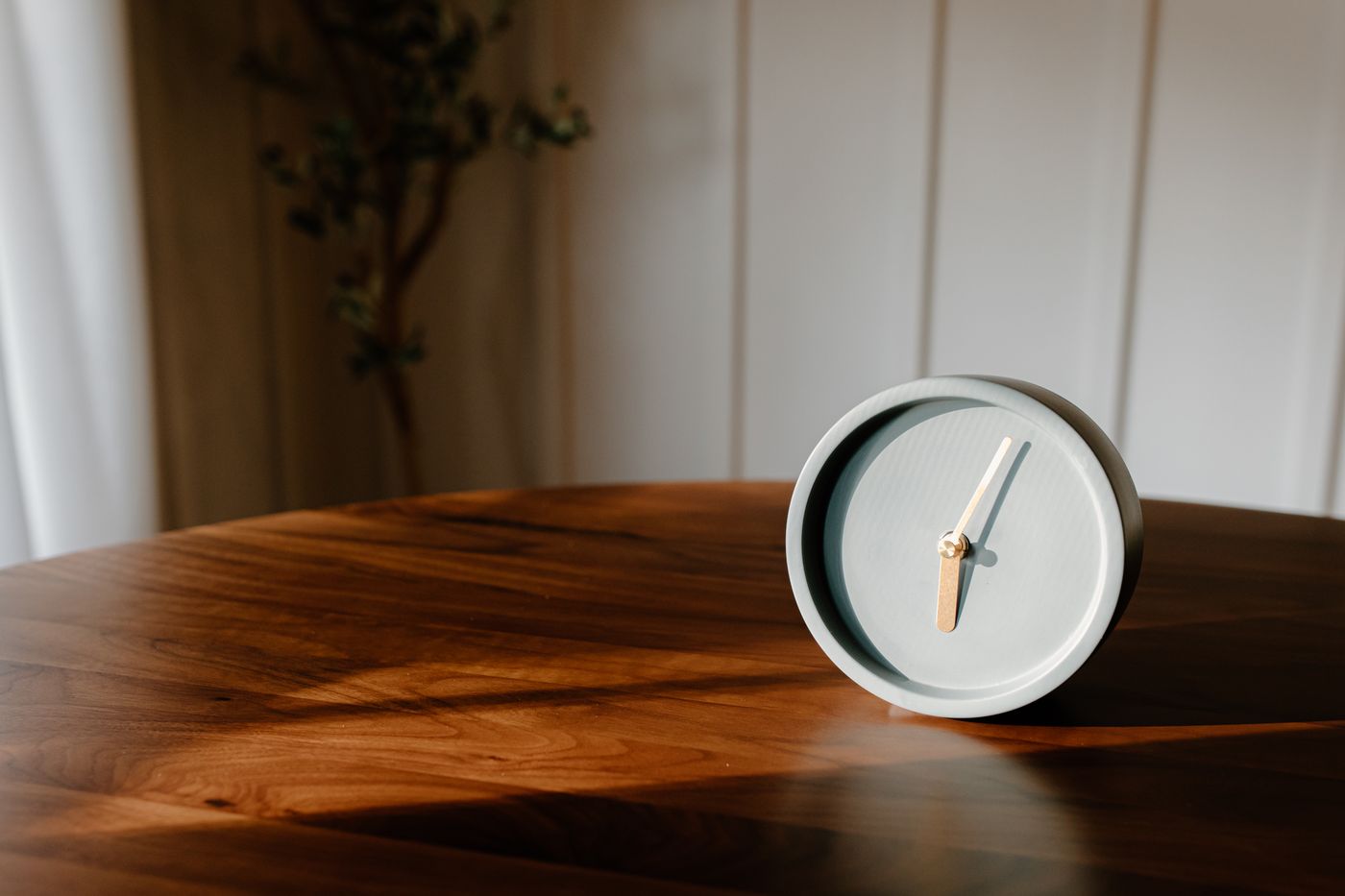
A busy shop is a poor place to assess a bedside clock. Background conversation can hide a noise that becomes noticeable in a quiet bedroom. Think about the distance from your pillow and the surface beneath the case. A hollow bedside cabinet may make a small vibration more apparent than a solid shelf. Check that the clock sits properly on its intended feet; do not wrap the mechanism or block openings to suppress noise. Move it to another stable surface as a comparison before deciding that the movement itself is the only cause.
Keep the buying test practical
For an online purchase, find out whether the seller describes a sound level or simply uses a marketing term. Read return conditions before removing packaging or protective film. Once the clock arrives, try it during a normal quiet evening, with the alarm disabled if the instructions permit. Listen from the position where you will actually sleep, then check any alarm separately while awake. There is little value in a quiet mechanism if its controls or display make the clock inconvenient to use.