Vintage notes
Look closely at condition, details and history.
16 guides
Looking at a vintage clock before buying it
Use the first inspection to establish what is present, what is known and what remains uncertain.
Read the notes ↗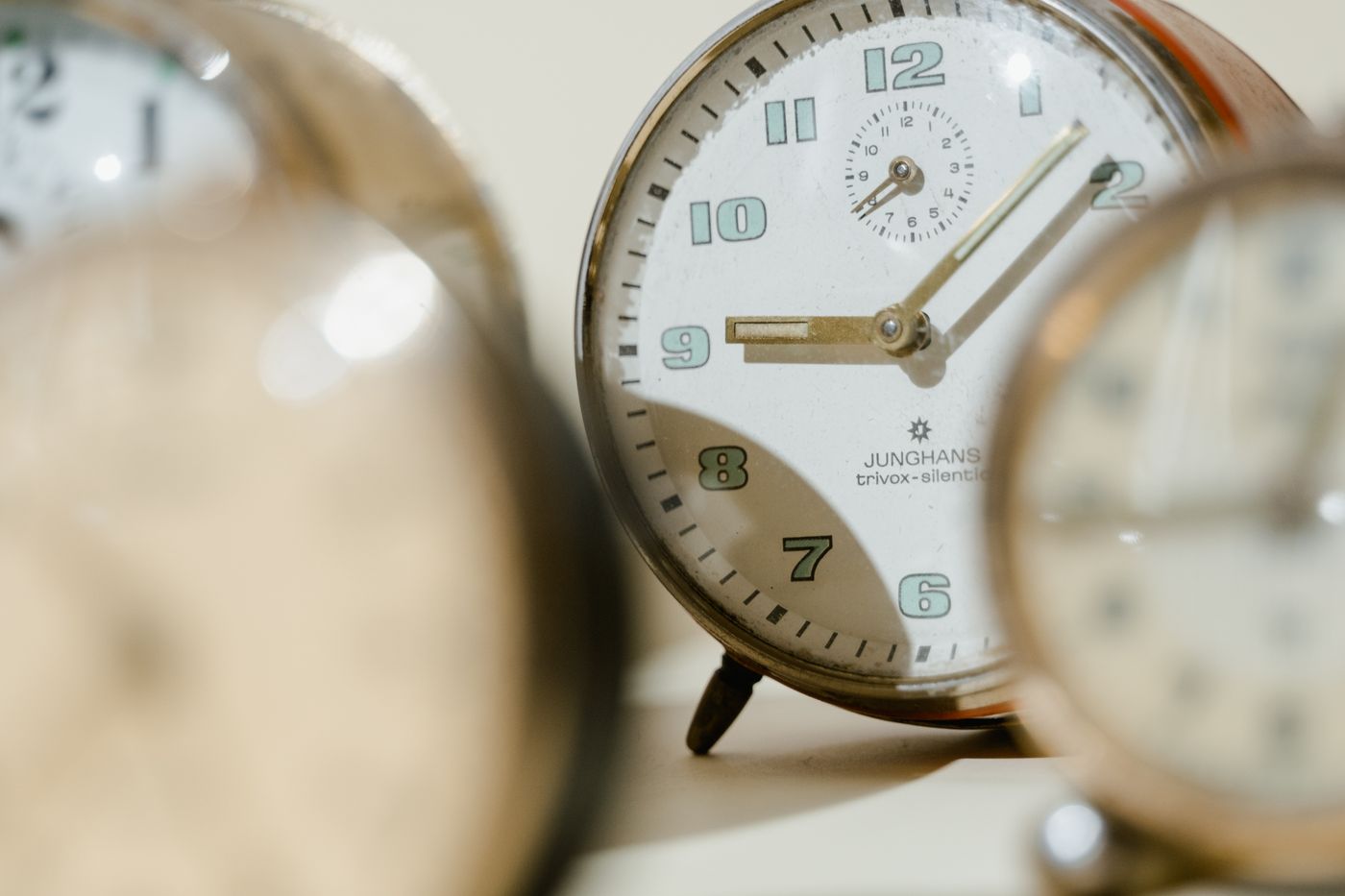
Understanding condition notes in clock listings
Turn broad descriptions into concrete questions about the individual clock.
Read the notes ↗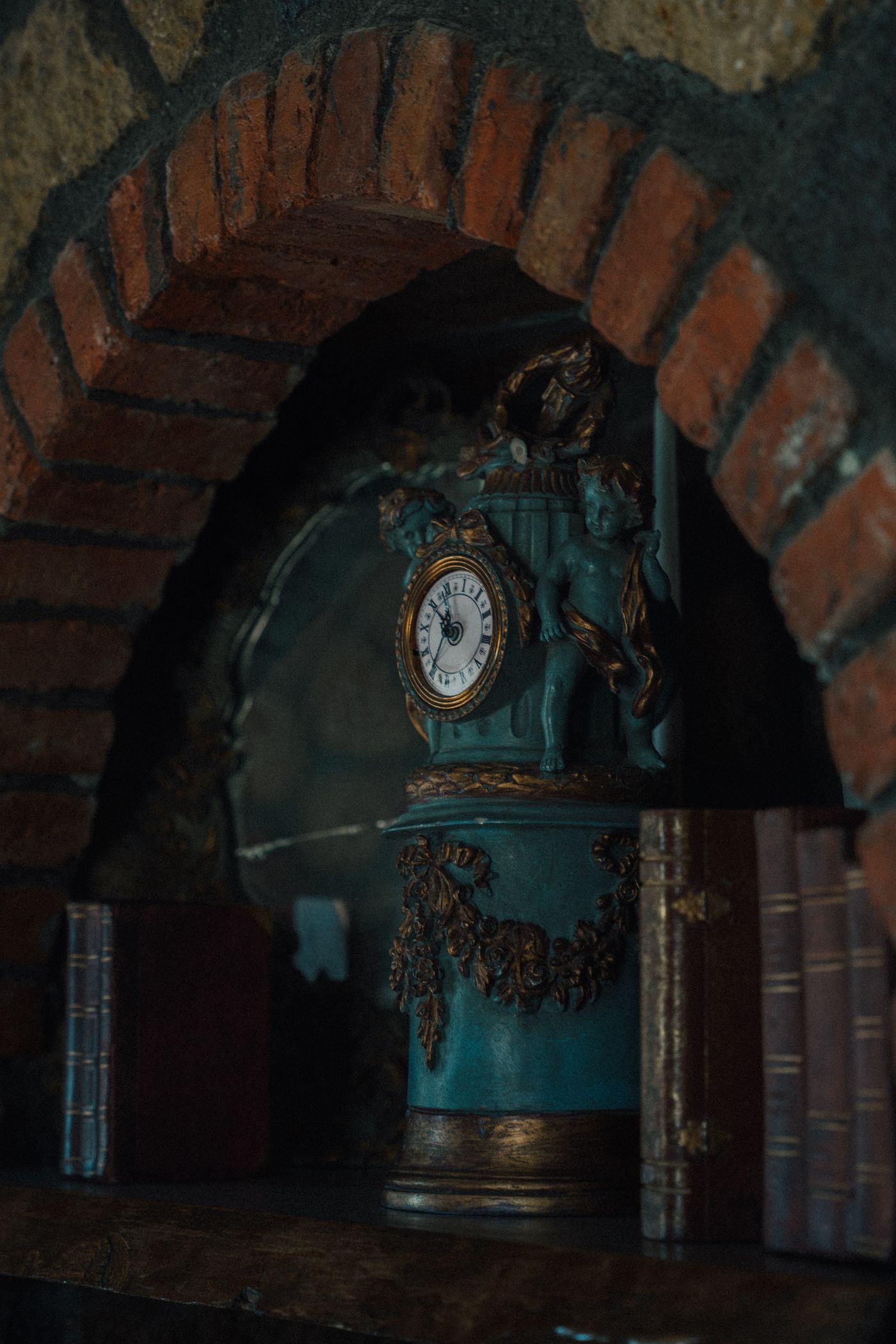
Patina, dirt and damage are different things
Ageing surfaces deserve observation before an attempt to make them brighter.
Read the notes ↗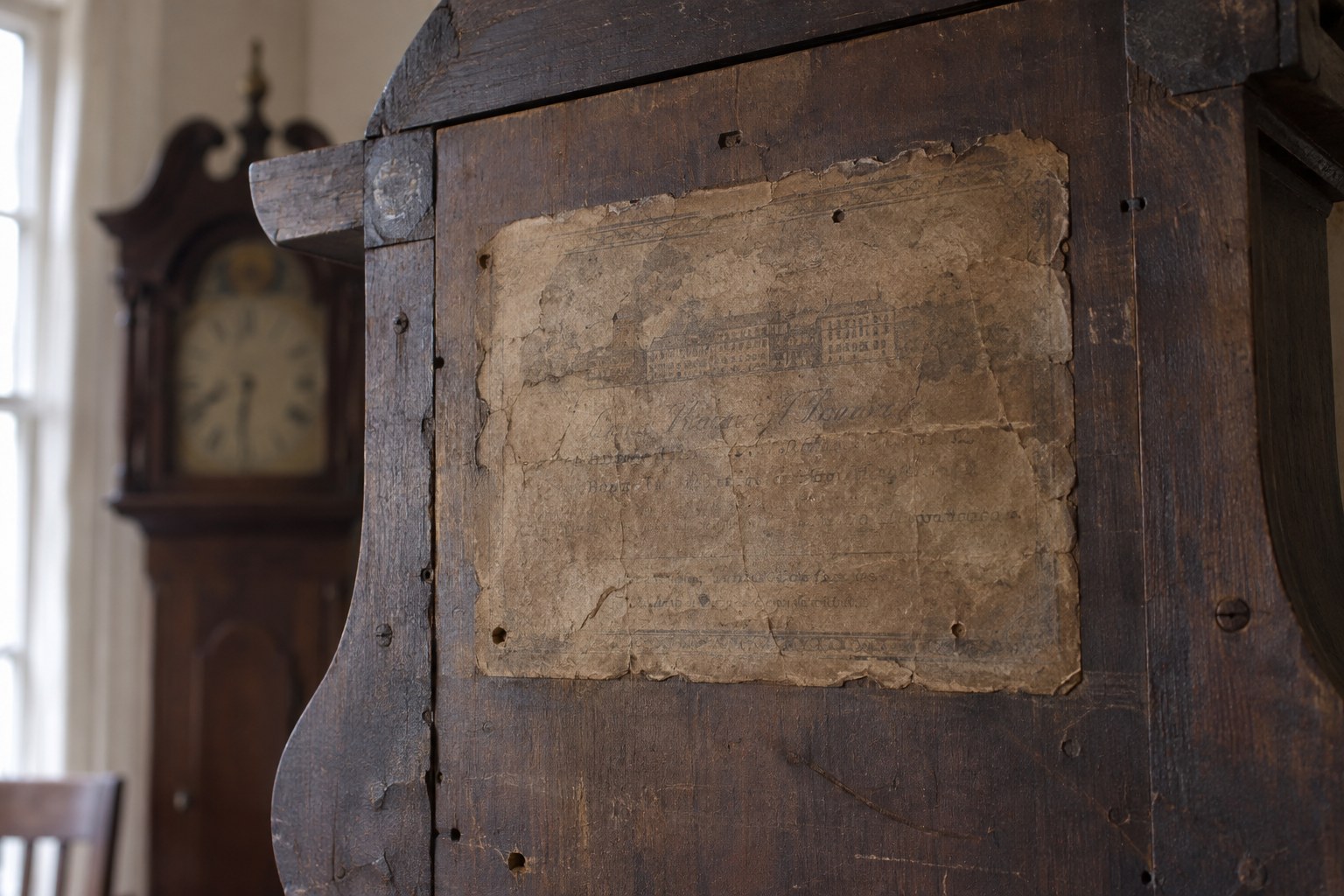
Reading a maker's label without removing it
A label is evidence worth recording in place, even when part of it is difficult to read.
Read the notes ↗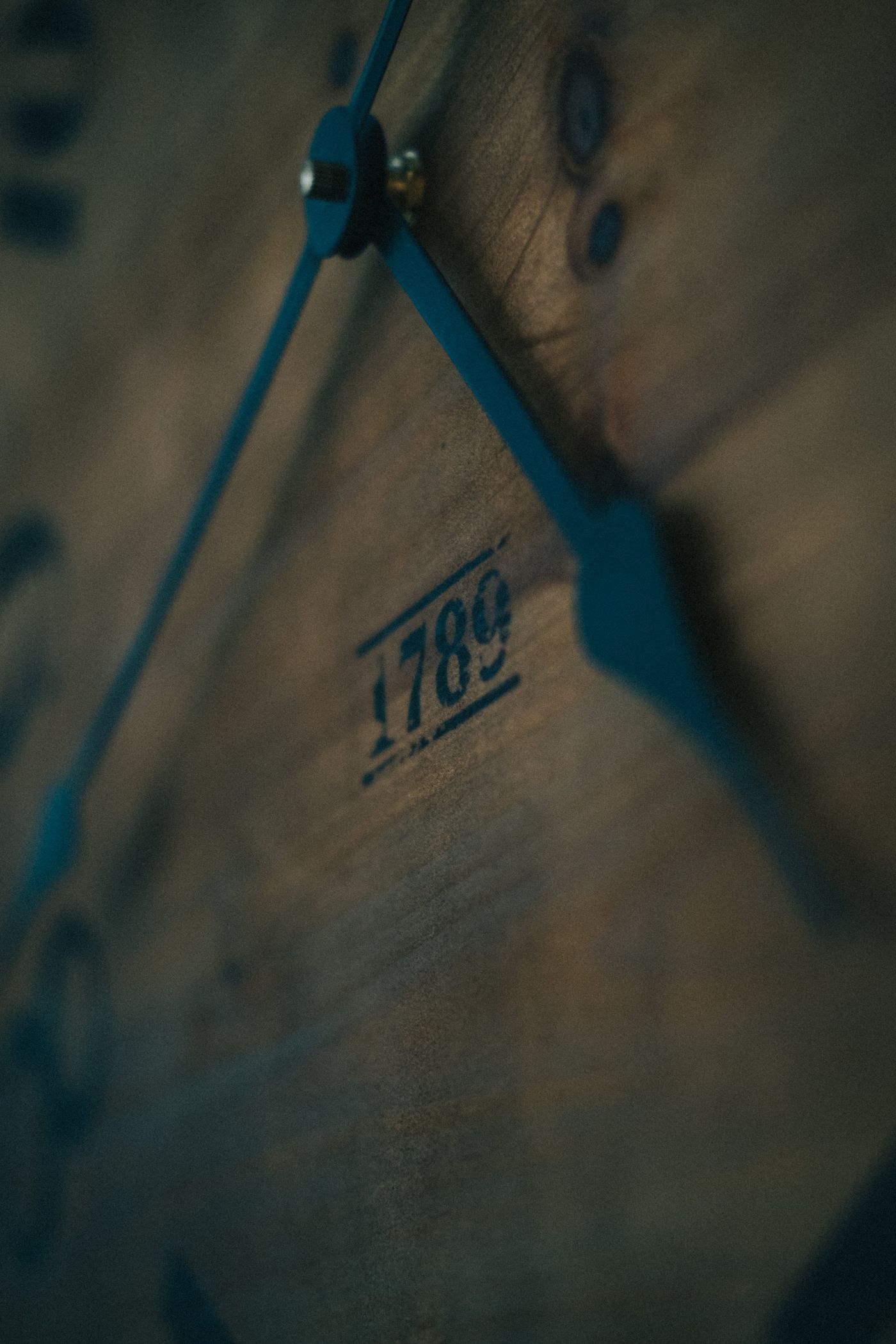
Why a replacement dial changes the story
A changed face can improve usability while altering the evidence carried by the object.
Read the notes ↗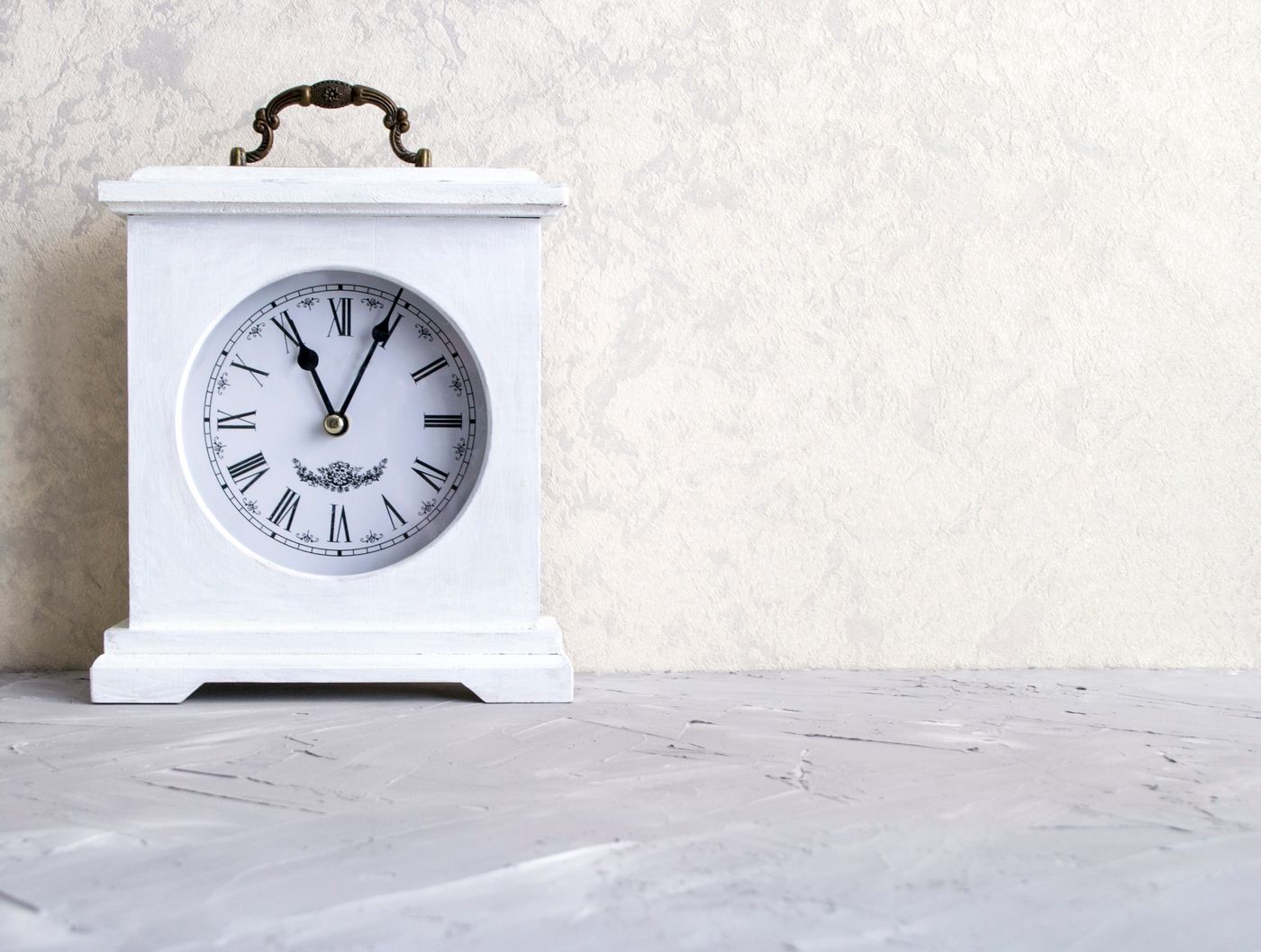
Buying a vintage mantel clock for display
A non-running clock can work as a display object when its physical condition and placement are suitable.
Read the notes ↗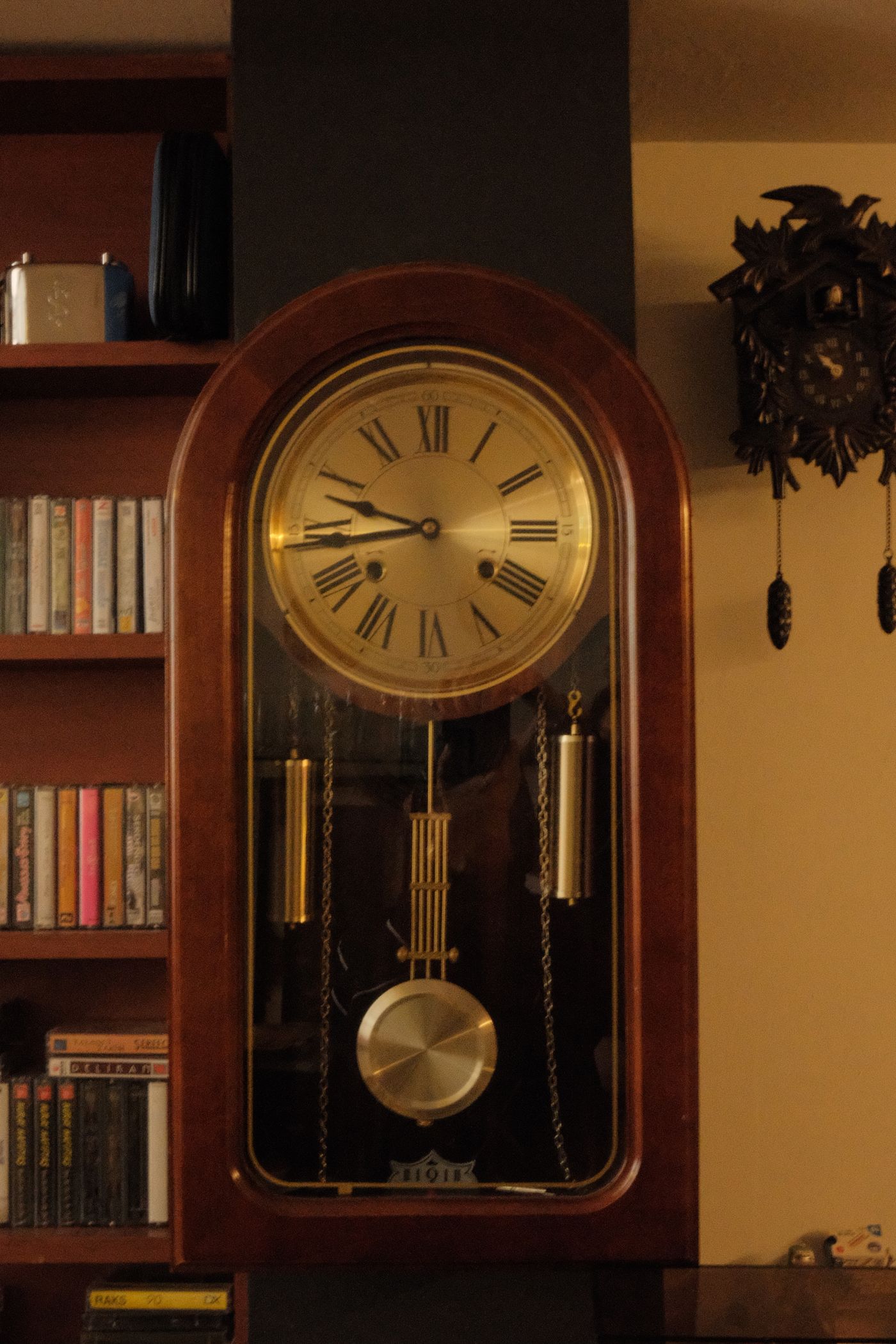
Transporting a pendulum clock: questions to ask
Arrange the move around the particular clock rather than applying a generic packing recipe.
Read the notes ↗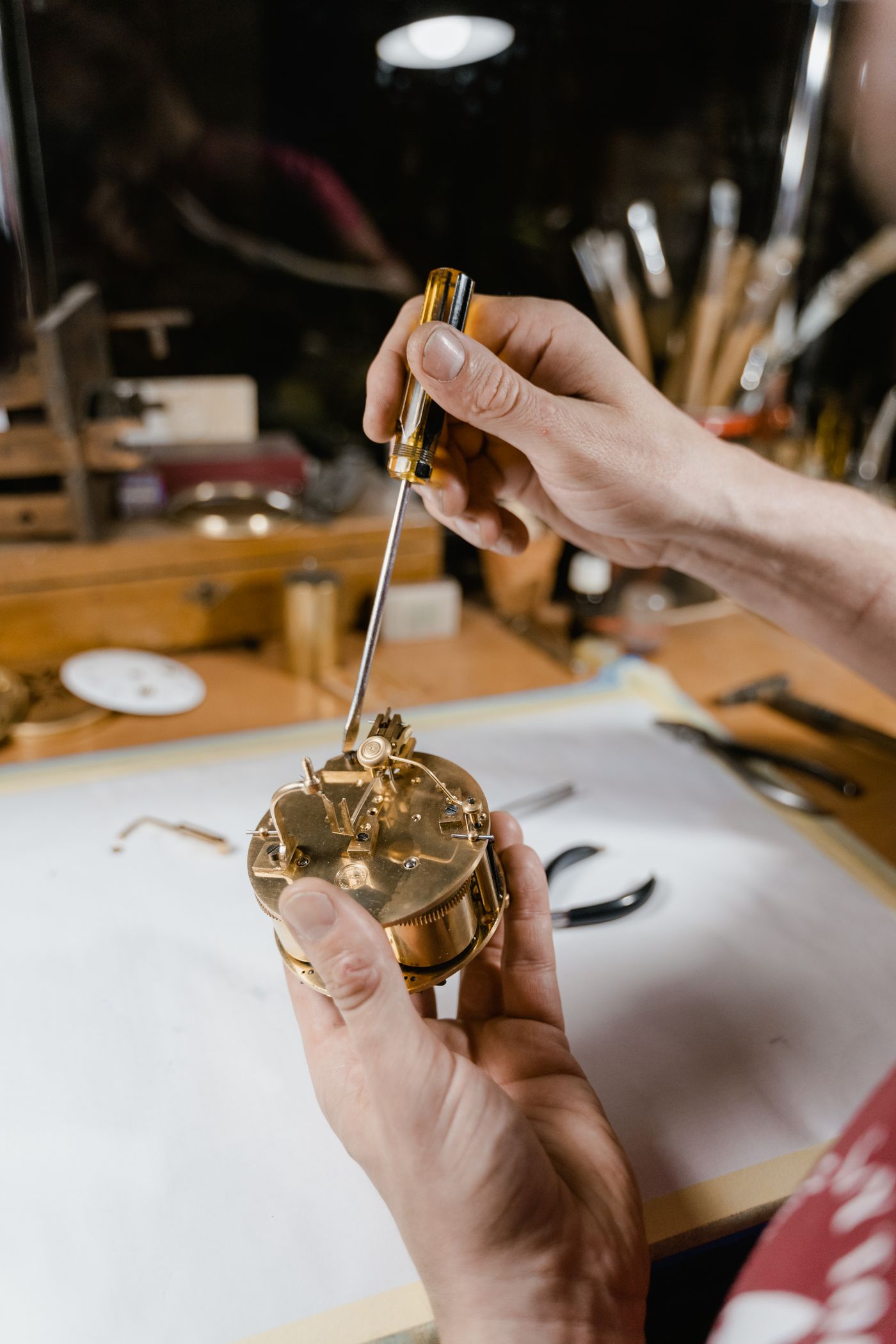
Asking about a mechanical clock's service history
Service history is most useful when it explains the work, its date and the clock to which it belongs.
Read the notes ↗
Recognising the limits of online clock valuations
Online prices are comparison points, not a dependable valuation of an unseen clock.
Read the notes ↗