Choose one reference and routine
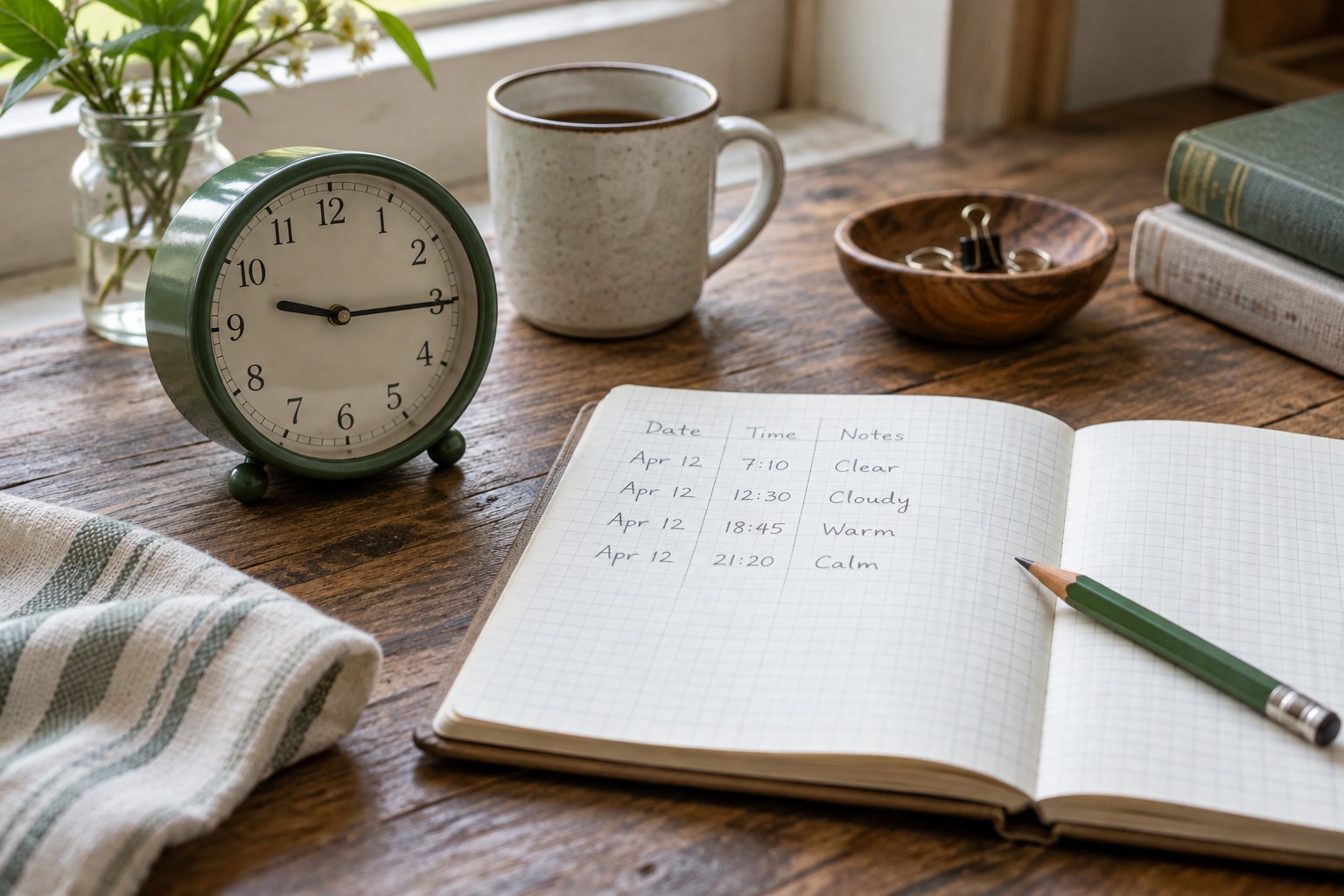
Use a reliable time reference and compare at roughly the same time each day. Record the clock's displayed time, the reference time and the difference, clearly marking whether the clock is ahead or behind. If the face has no seconds hand, do not pretend you can measure to the nearest second. Use the precision the display actually supports. Start the log after setting the clock by its documented method, and note that initial setting. Keep the clock in its normal position throughout the observation unless a safety or environmental issue requires moving it.
Record events as well as numbers
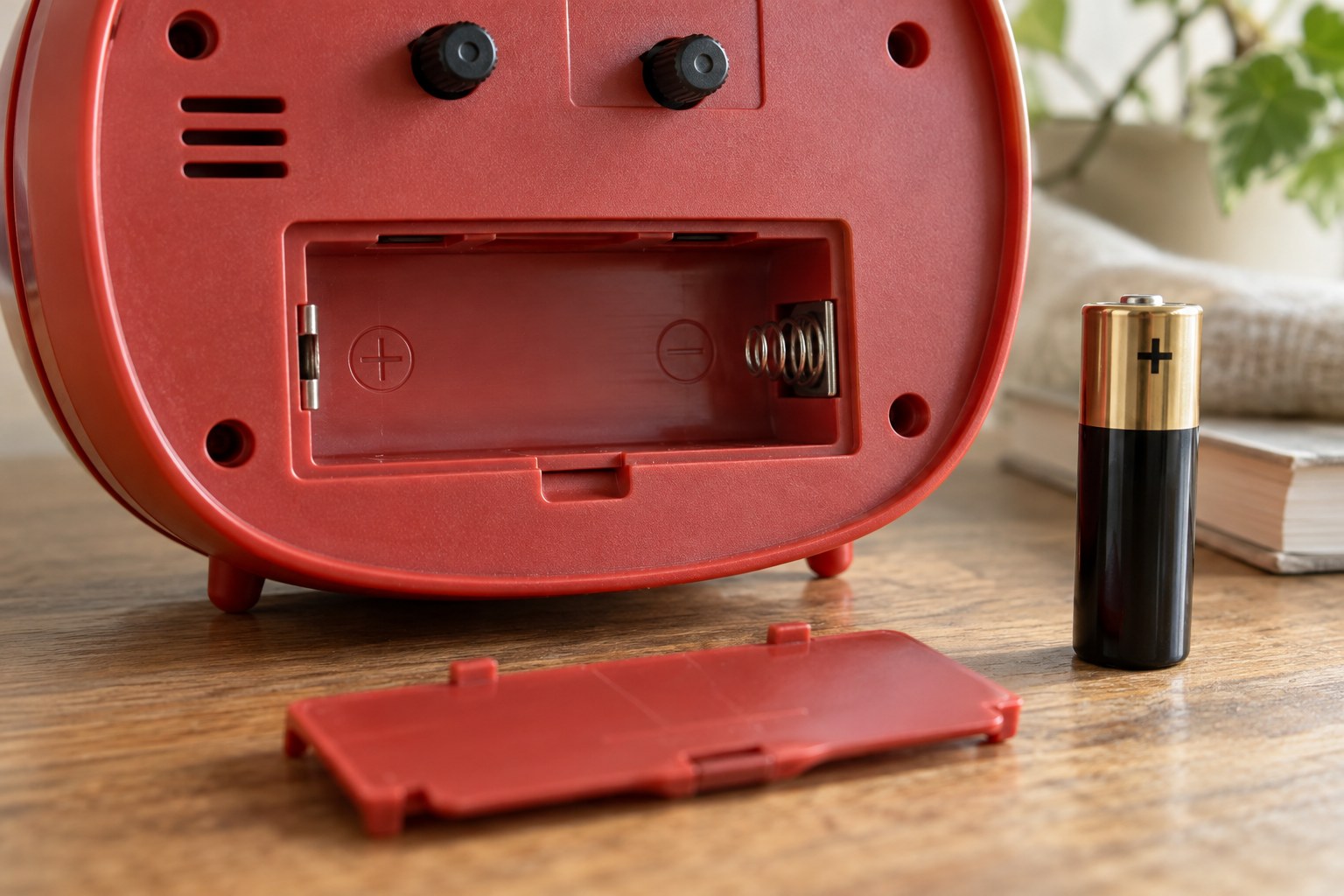
Note battery changes, power interruptions, missed radio updates or any time the clock stops. These events affect the meaning of the figures. A clock that gains a similar amount each day presents a different pattern from one that suddenly loses several minutes and then resumes normally. For a radio-controlled model, automatic corrections can interrupt a simple trend, so include the reception status when available. Do not reset the clock repeatedly during the week without recording it; doing so removes the very pattern you are trying to observe.
Use the log to ask a better question
At the end of the period, summarise the starting difference, ending difference and any interruptions. Compare with the manufacturer's stated tolerance if one exists for that exact model. Do not invent a universal acceptable error for every quartz or mechanical clock. If the behaviour is irregular or outside the stated specification, send the log with the model number to the manufacturer or repairer. The record helps describe the fault but does not tell you which internal part to adjust. Keep any next test limited to the advice received, so you can see whether one change actually helped.