Read the watch's own care instructions
Begin with the model's instructions and the condition of the watch. Do not infer that an older watch is suitable for washing from a rating on its case alone. Damage, service history and the requirements of the strap can change what is appropriate. If you are unsure, restrict the task to a gentle dry exterior wipe and seek advice.
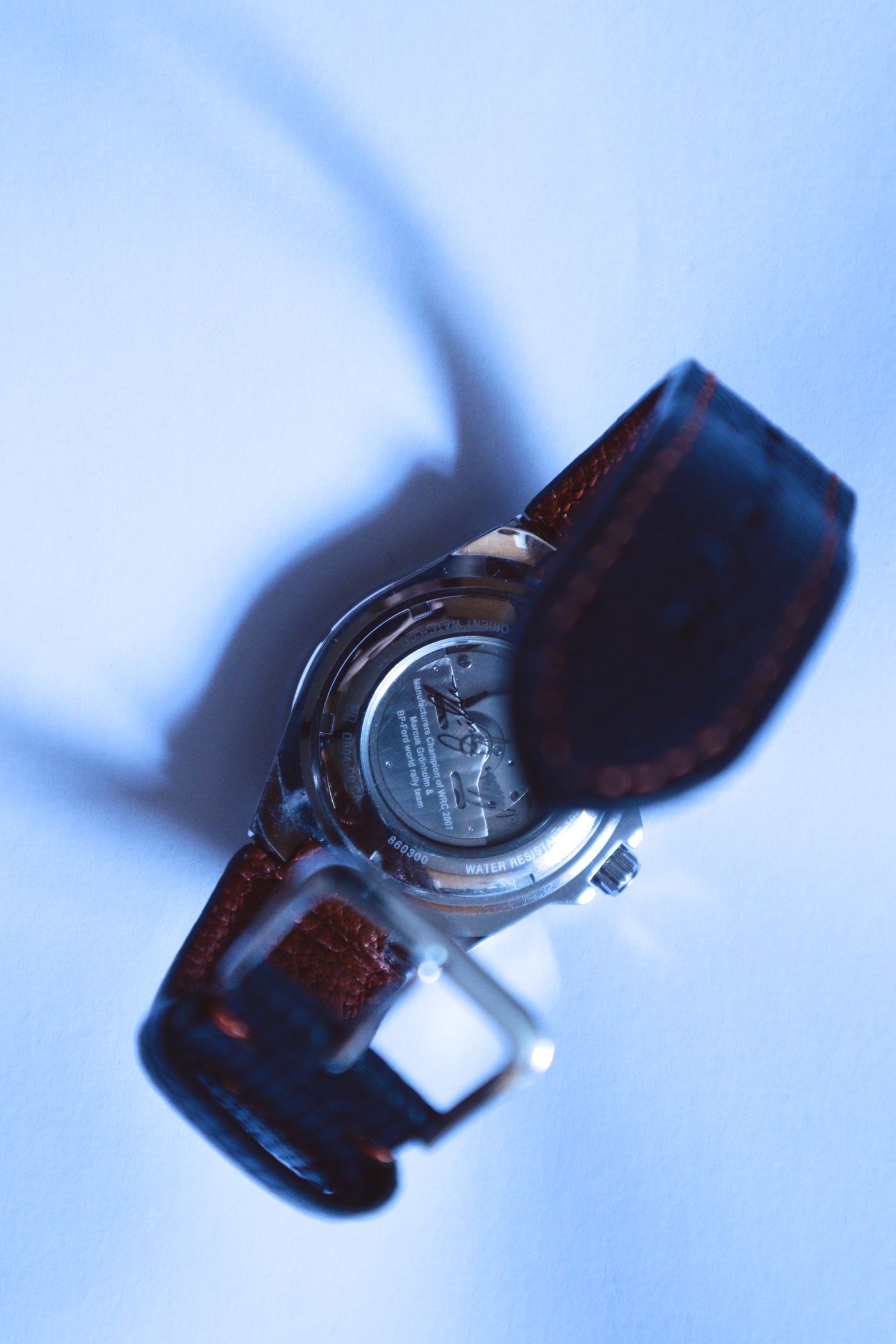
Take the watch off over a clear, padded surface. Keep it away from the edge of a sink or table. Check for a loose crystal, damaged crown or open seam before cleaning; a visible defect is a reason to stop, not something to conceal with polish.
Use a clean surface of the cloth
A soft, clean cloth can lift ordinary marks from a sound exterior without introducing liquid. Fold it to expose a fresh area as it gathers dust. Avoid pressing grit across the crystal or dragging a dirty section over a polished case.
Do not push tools, cloth corners or brushes into openings. Leave stuck dirt around the crown, bezel or attachment points for a repairer if it will not lift safely within the maker's guidance. Household metal polish, abrasive pastes and solvent cleaners can affect surfaces differently and are not a routine substitute for proper care.
Treat the strap separately
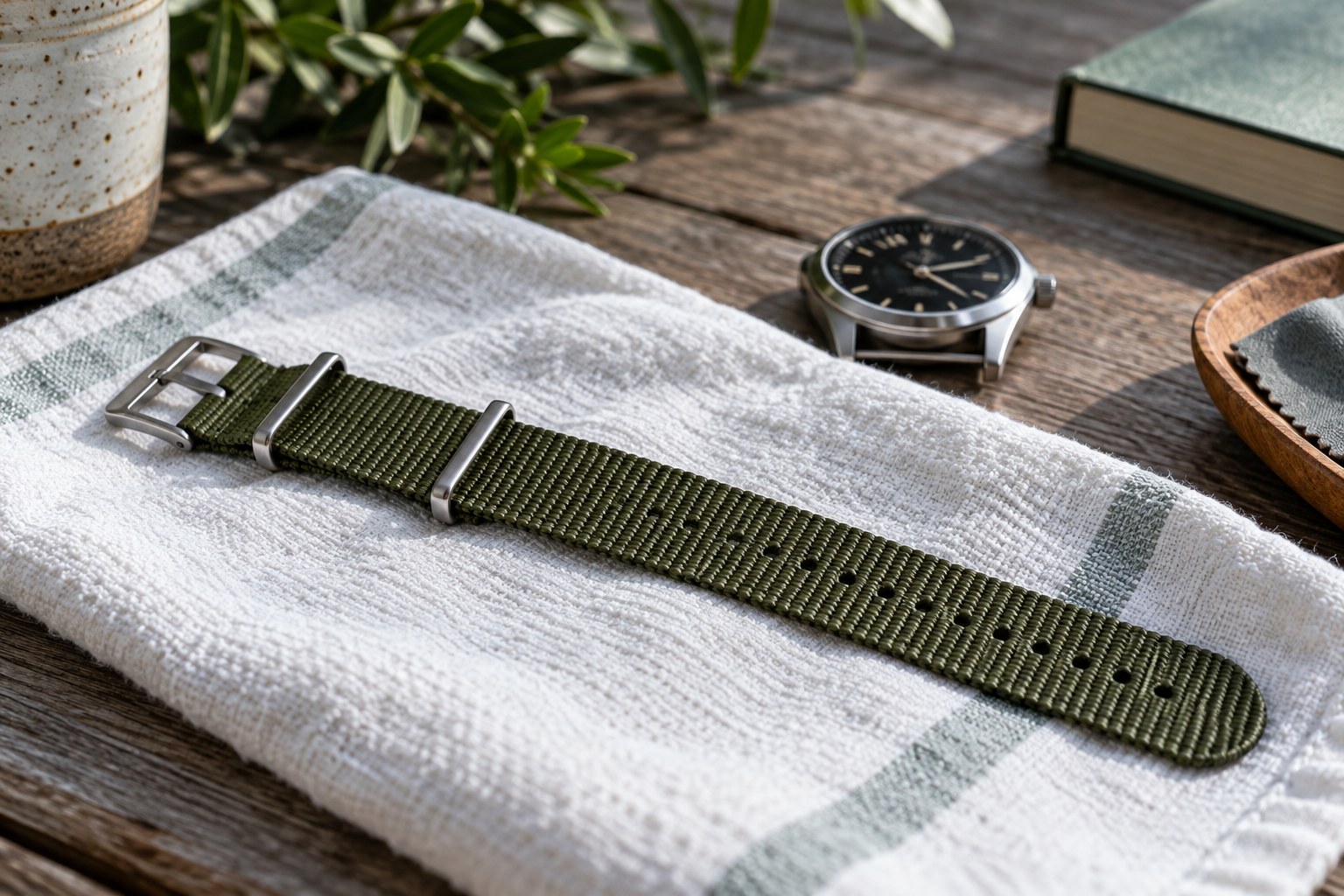
A leather strap, fabric strap and metal bracelet can require different methods. Follow their respective instructions rather than extending a permitted case-cleaning method to the whole assembly. Seiko's general guidance, for example, distinguishes material-specific band care rather than prescribing one wash for everything.
Before wearing the watch again, inspect the fastening and make sure any permitted moisture has been dealt with as directed. Keep a note of marks that persist so you can ask about them at the next service. A routine surface clean should leave the watch intact, dry and securely fastened, without changing its finish.