Sort by fit before colour
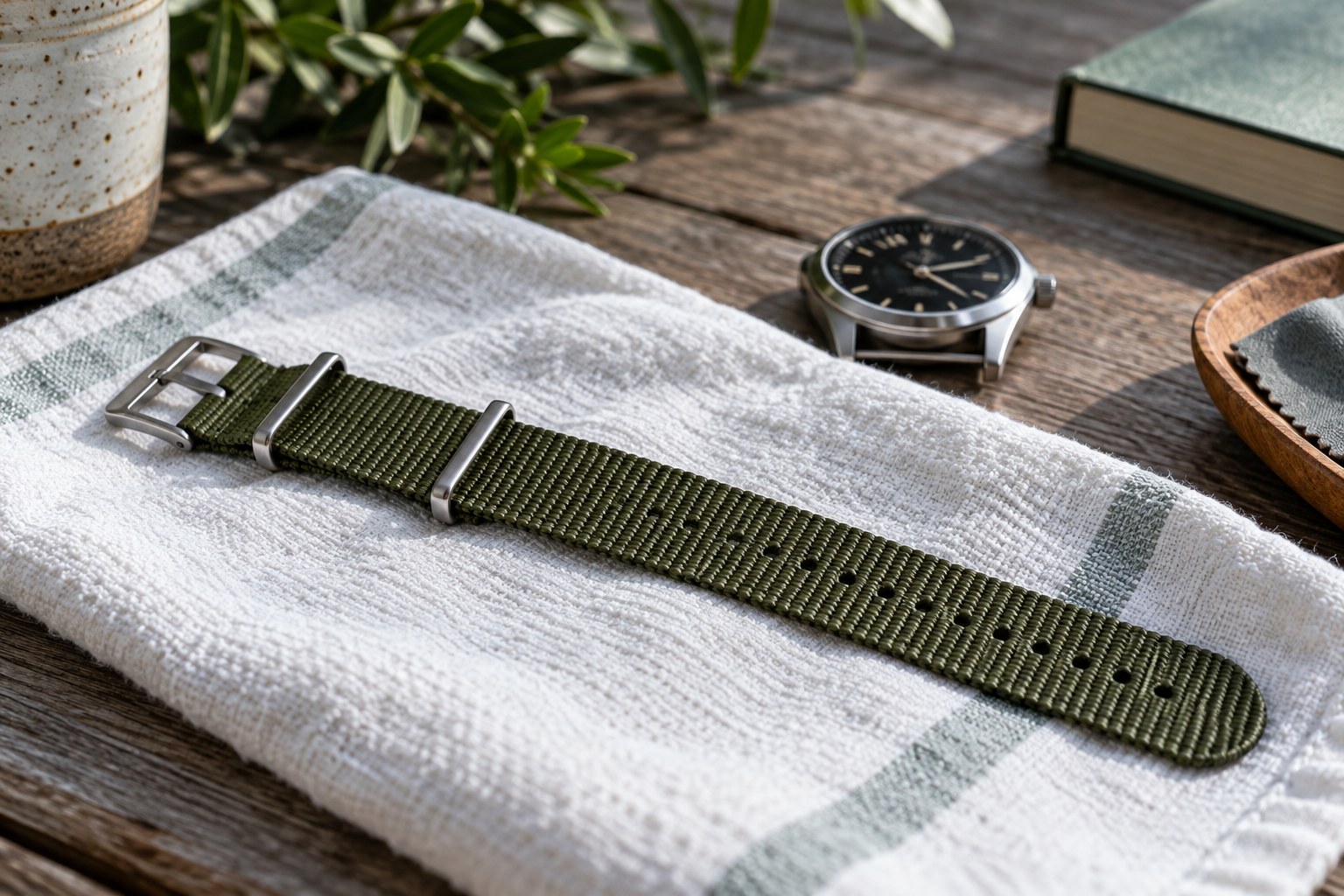
Group spare straps by the watch or attachment width they suit. Two straps that look almost identical can differ just enough to cause a poor fit. A label with the width, length and intended watch model is more useful than a drawer arranged only by colour.
If a strap is no longer identifiable, measure it and compare it with the original product information before using it again. Do not assume that a strap found beside a watch was previously fitted to that watch. Keep any uncertainty written down rather than turning a guess into a permanent label.
Separate loose hardware
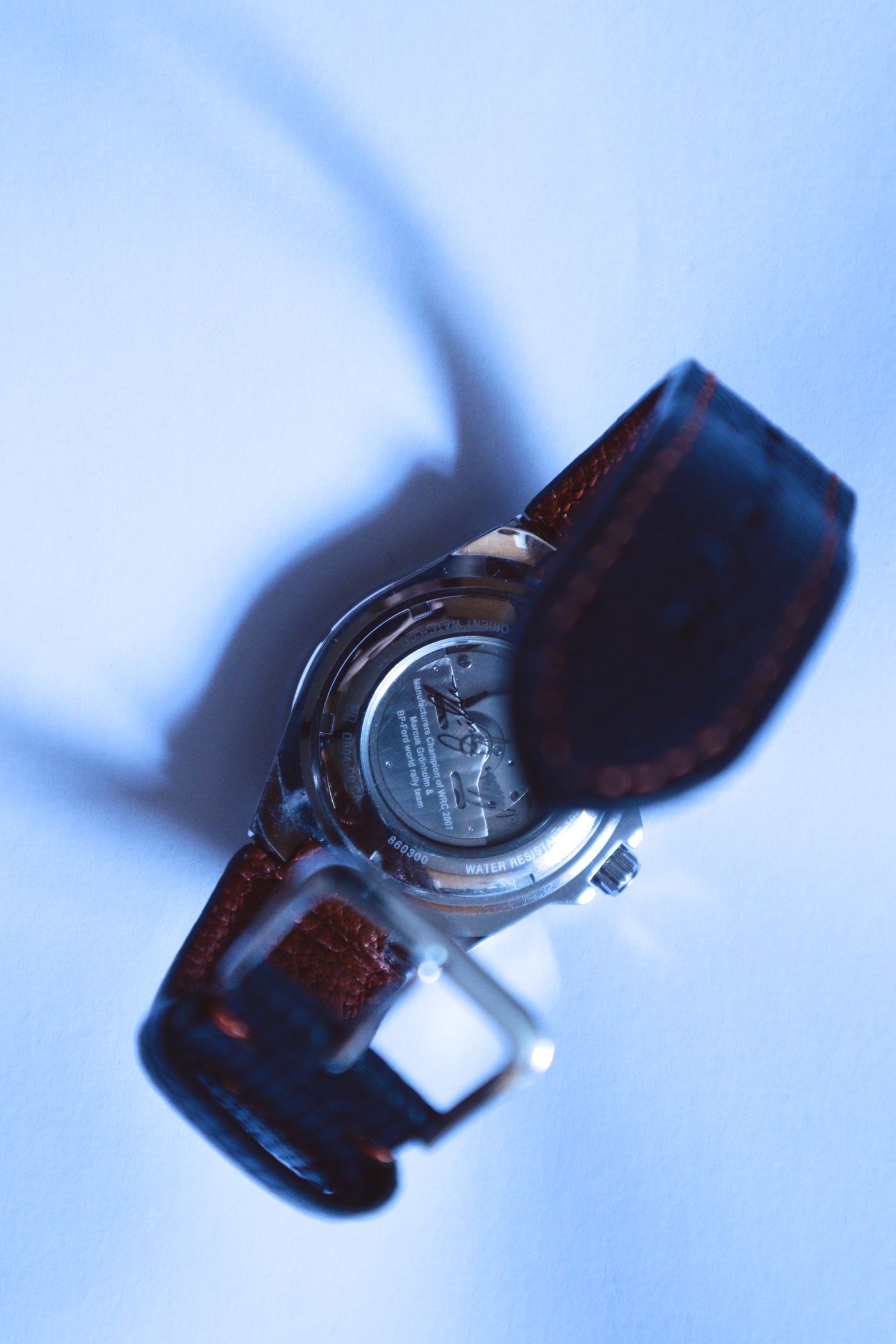
Small spring bars, screws and buckles should not roll freely among straps or watches. Use separate closed, labelled packets or compartments. Note which hardware belongs to which attachment system, and avoid combining pieces simply because they appear to be the same length.
Keep tools apart from soft materials so that sharp tips cannot scratch or puncture them. A shallow organiser with visible compartments is easier to check than a deep container that requires emptying everything out. Leave enough room to pick up each item without bending neighbouring straps.
Inspect before putting away
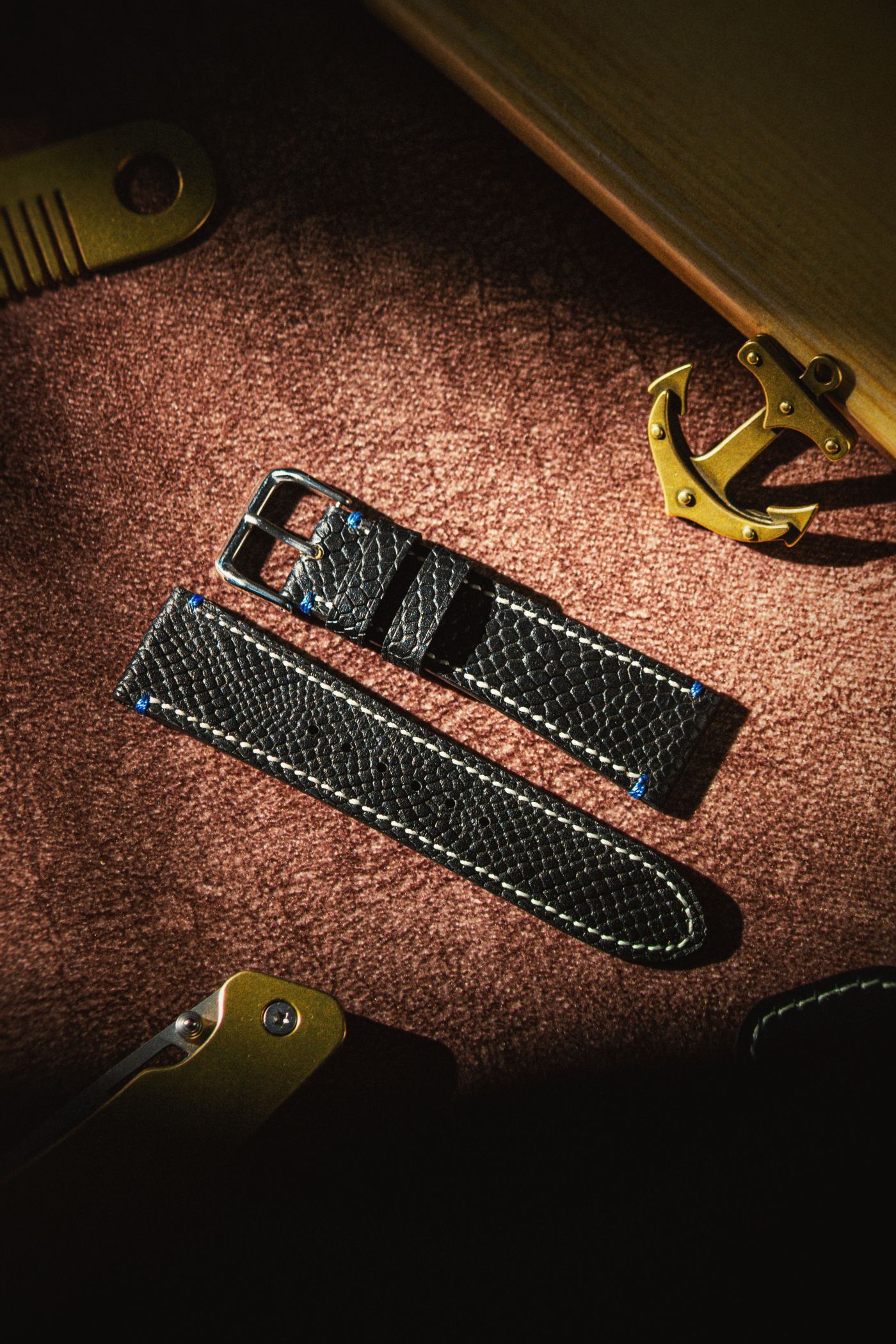
Store straps only when they are clean and dry according to their own care guidance. Let leather lie in a natural curve rather than folding it sharply to fit a small box. Avoid compressing a padded strap beneath heavy objects, and keep the organiser away from heat and strong sunlight.
Check for frayed stitching, enlarged holes, damaged keepers or a weakened attachment end. Label an item that needs attention instead of returning it to the ready-to-use group. Keep a brief note when a strap is replaced, including its dimensions and the reason. That record can prevent you from ordering the same unsuitable fit again.