Look at the complete object
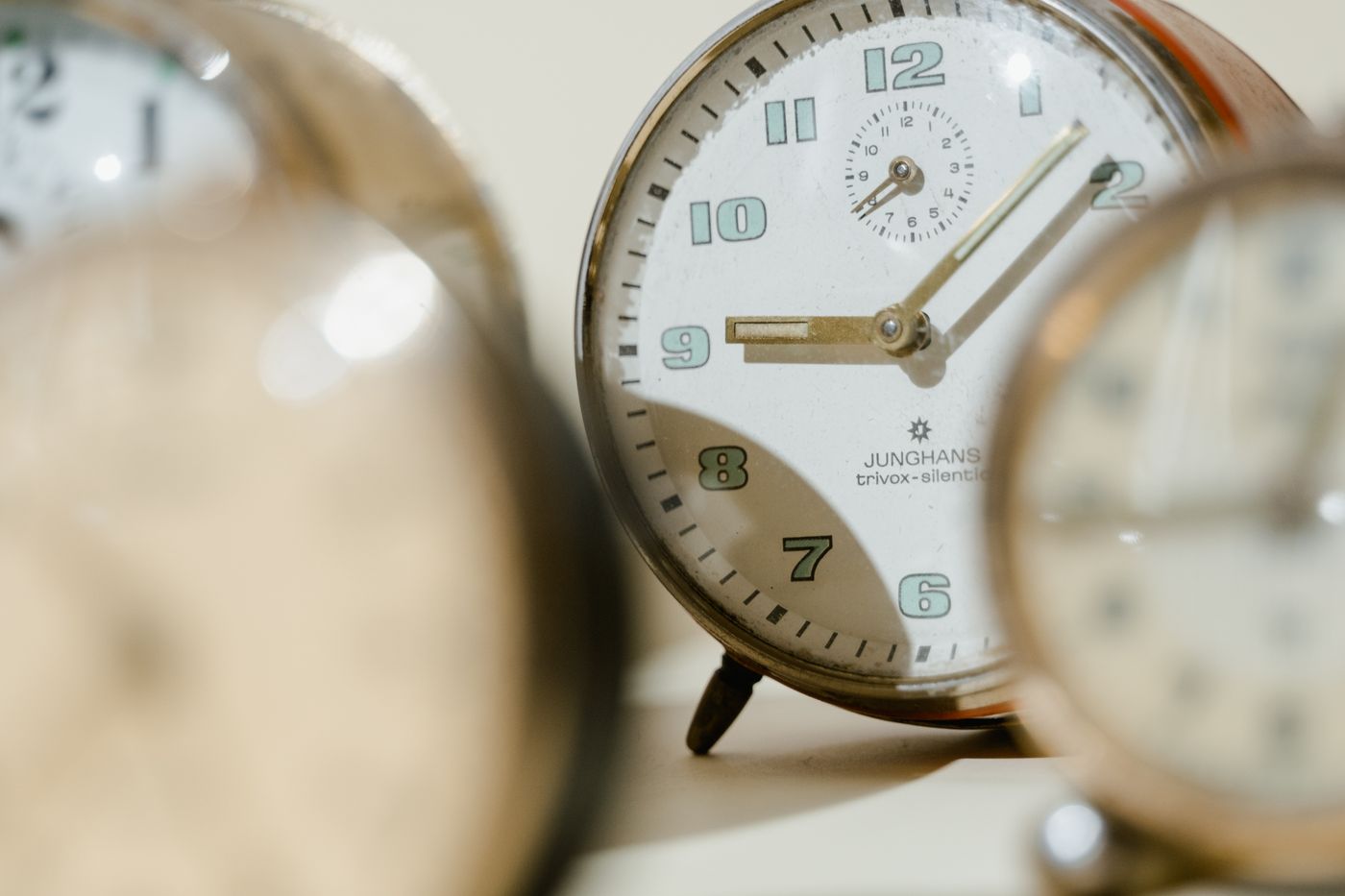
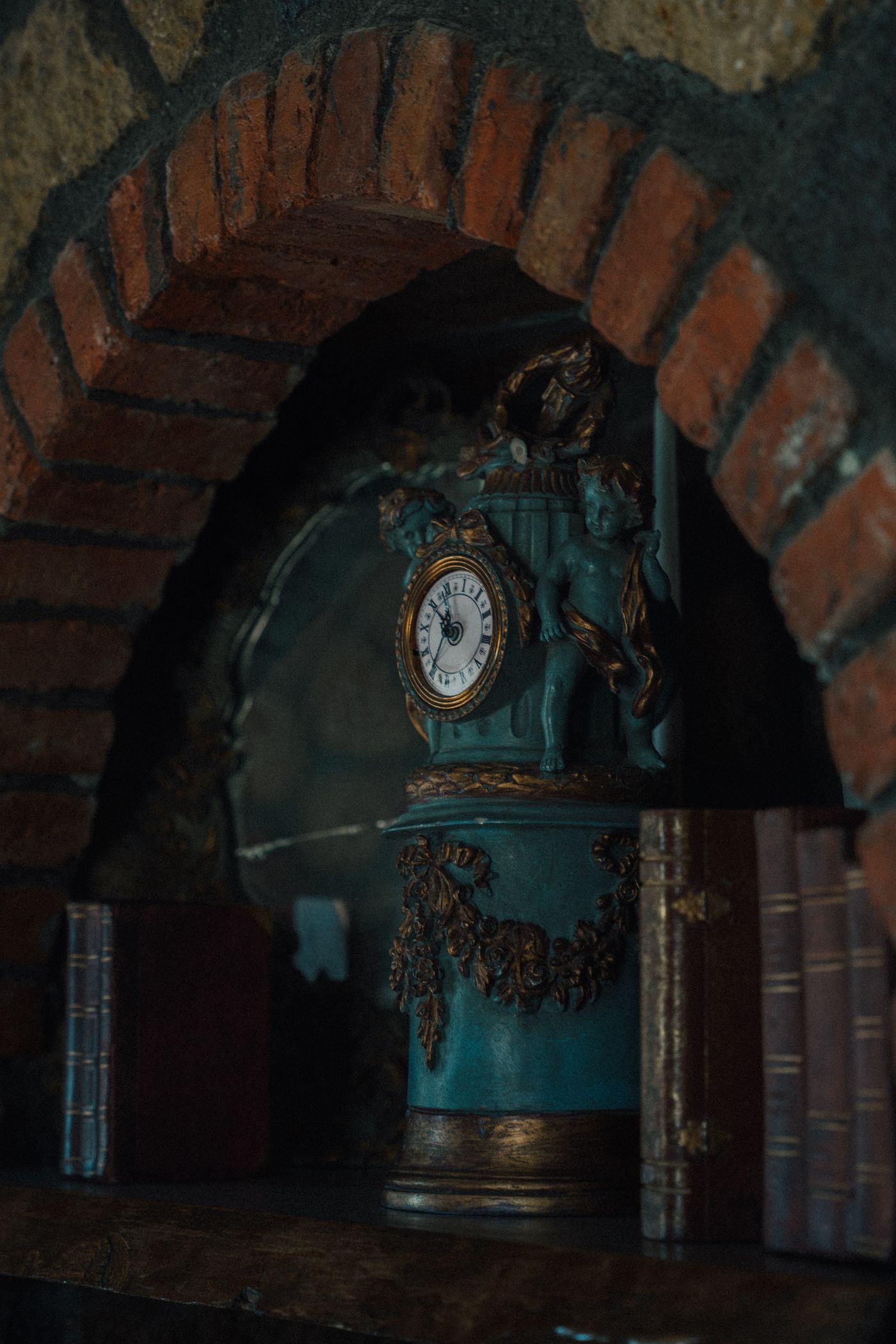
Begin with the case, dial and proportions before focusing on a maker's name. Check for missing feet, loose decoration, cracks and a door or cover that does not sit correctly. Ask permission before moving the clock, and support it from a sound base rather than a handle or ornamental top.
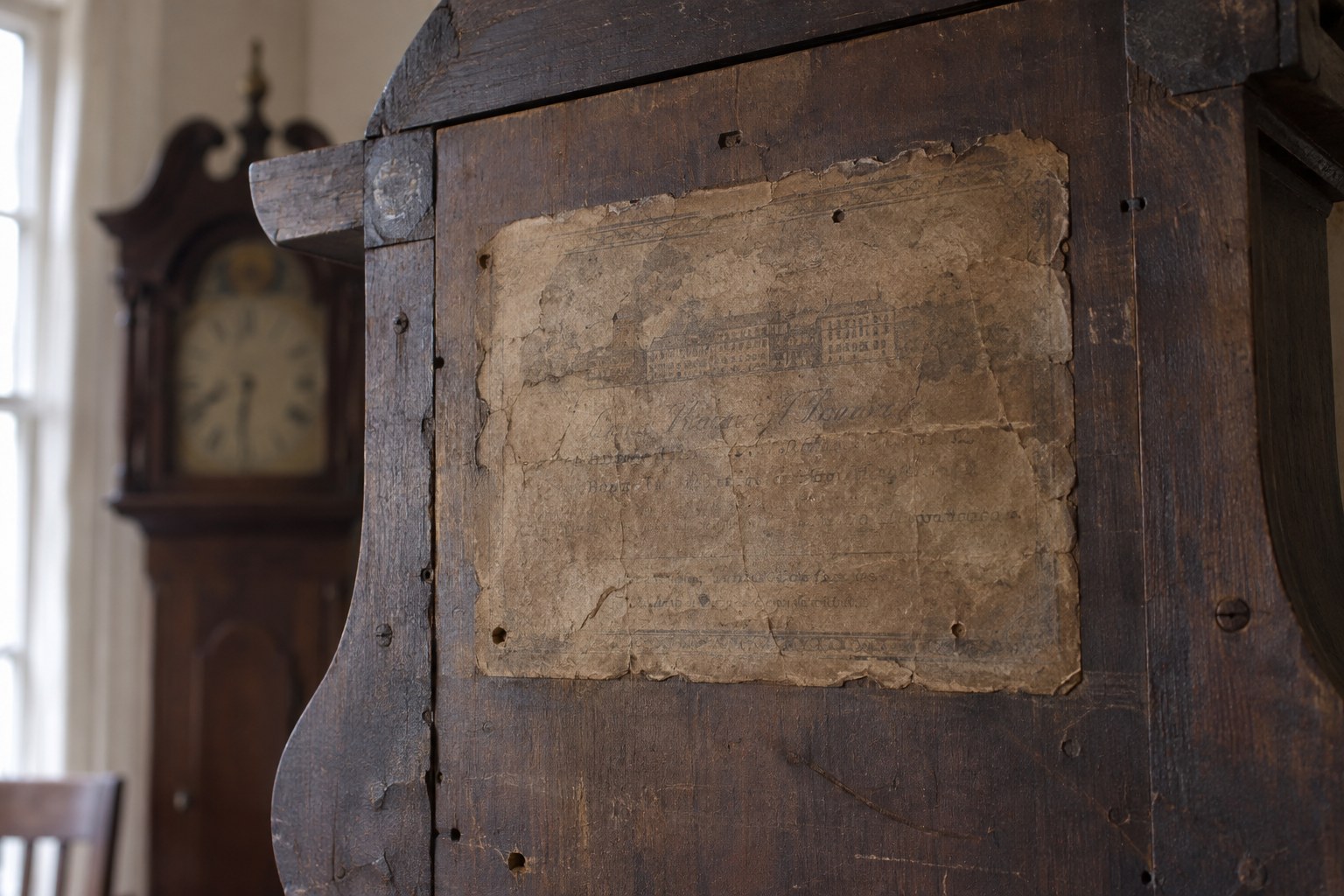
Look at the back and sides where accessible without dismantling. A listing should show these views as well as the attractive front. Differences in colour or finish may deserve explanation, but they do not prove a repair or replacement by themselves.
Separate appearance from operation
Ask how long the seller has observed the clock running and under what conditions. A short video establishes that it moved during that recording, not that it has been serviced or will keep time reliably. Request details of any service work and distinguish documented work from a general description such as working condition.
Do not wind, shake or open an unfamiliar mechanism to test it. Old electrical clocks need appropriate assessment before powering, and uncertain luminous dials should remain closed and undisturbed. If regular use matters, include a suitable repairer's assessment in the buying decision.
Make uncertainty part of the price decision
Record the stated maker, approximate date, materials and included accessories, marking which details are supported by documents. Ask whether the dial, movement or hands have been replaced. An honest unknown is more useful than treating a confident sales description as established history.
Include the practical costs
Consider collection, packing and any likely assessment cost alongside the purchase price. If a particular feature is essential, obtain a clear answer before committing rather than hoping to resolve it later. Buying for display can be a reasonable choice, provided that condition, stability and the limits of operation are understood from the outset.