Measure the correct end
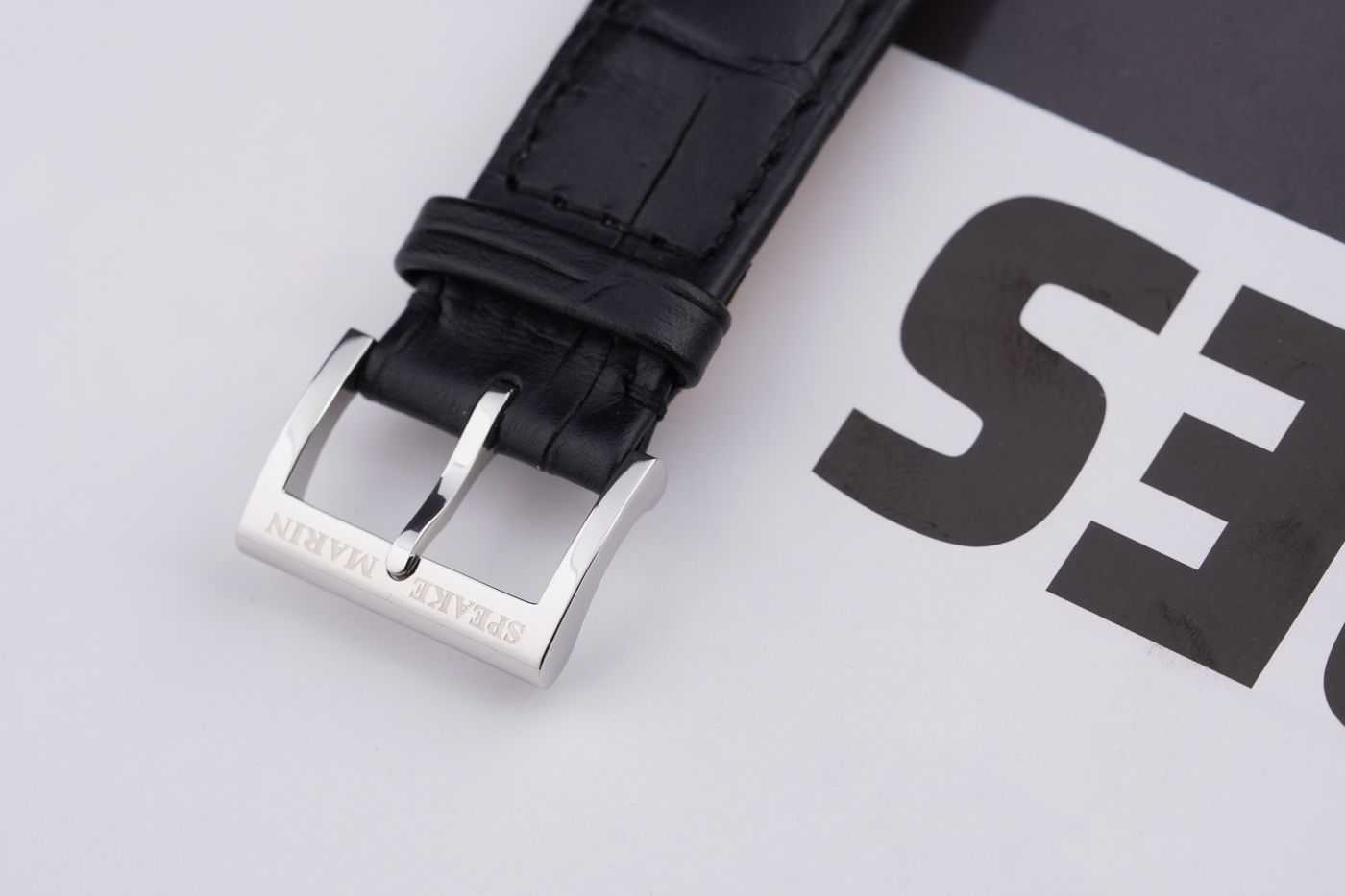
A tapered strap can be wider at the watch than at the buckle. Measure the buckle attachment area separately and check the strap maker's specification. The width printed in a watch strap listing often refers to the lug end, so it may not be the number needed for a replacement buckle.
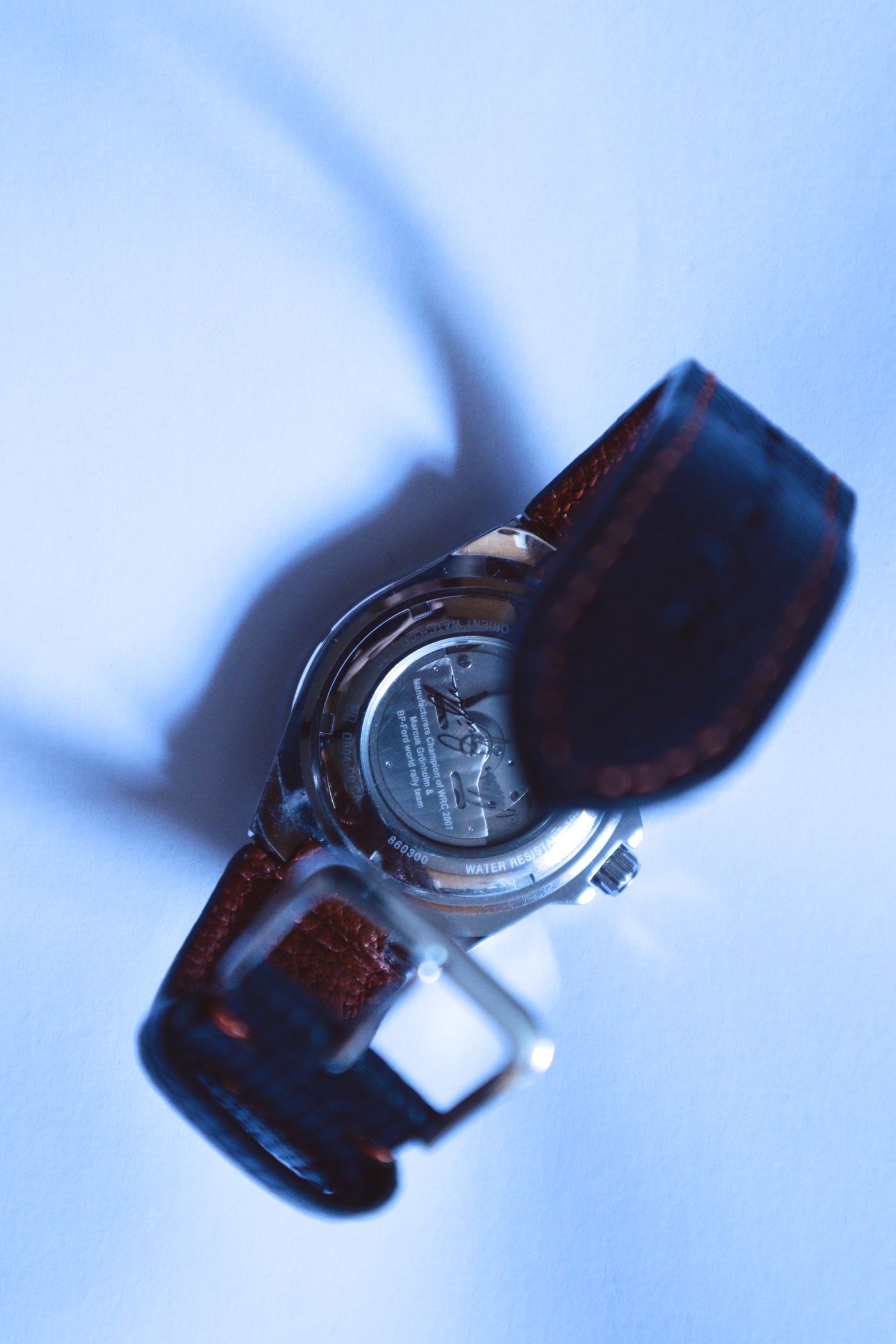
Record how the original buckle is attached. A conventional pin buckle and a folding clasp are not interchangeable merely because their nominal widths match. Some straps have shaping or reinforcement intended for a particular fastening, and some hardware is specific to the watch or strap maker.
Compare thickness and tongue fit
Look at the thickness of the strap where it enters the buckle. A narrow opening can bind on a thick strap, while an unsuitable tongue may not sit properly in the holes. Compare the replacement's compatibility information with the actual strap rather than choosing by finish alone.
The retaining hardware also needs to be appropriate. Do not reuse a damaged spring bar or substitute a screw that happens to enter the hole. If the fitting is unfamiliar or the parts do not settle naturally, stop and have a repairer assess the combination. A buckle is part of the watch's security, not just its decoration.
Assess the complete fastening
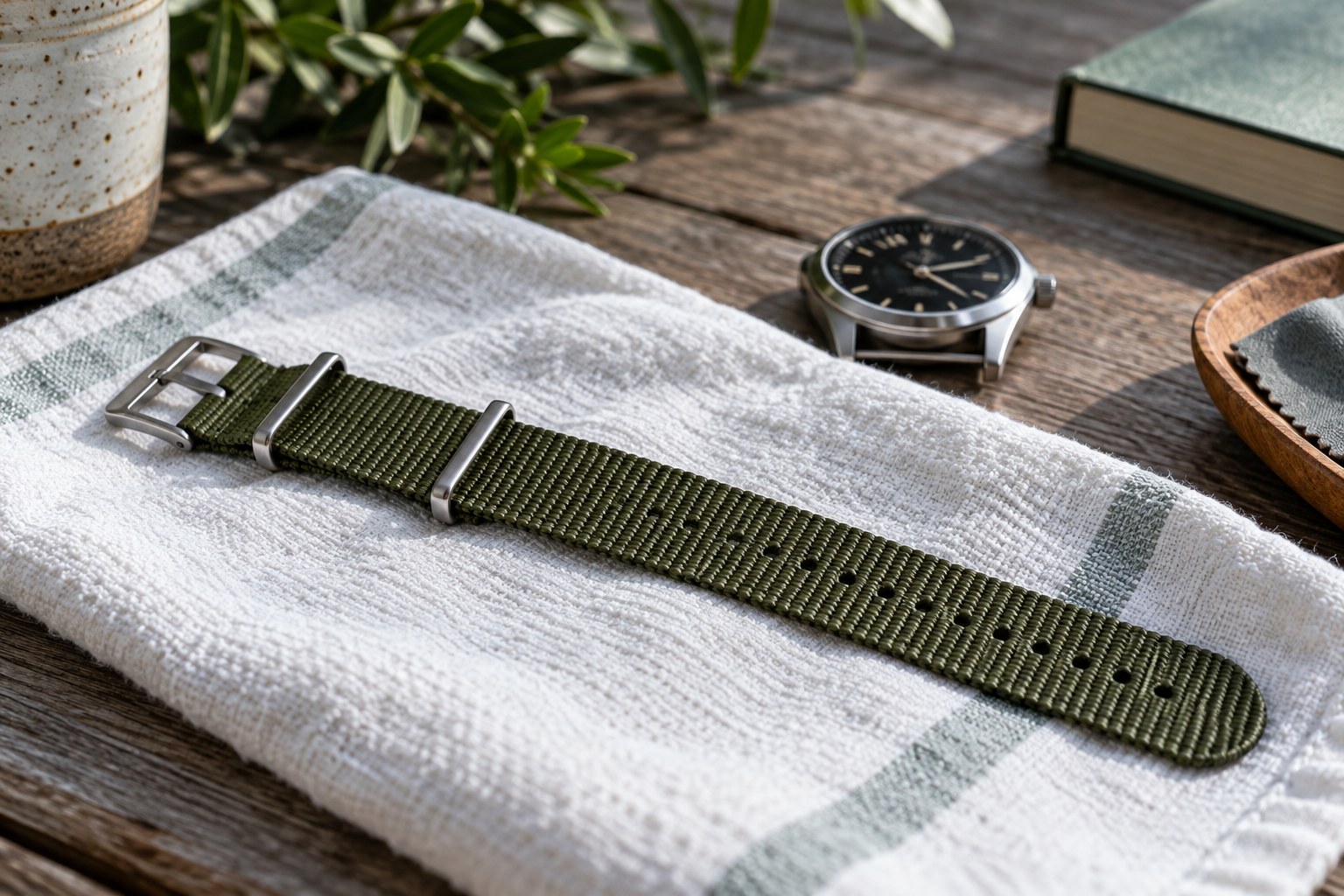
Once correctly fitted, the buckle should close without twisting the strap or forcing the tongue sideways. Check the keepers and the remaining tail as part of the same arrangement. An attractive buckle can still be uncomfortable if it places a bulky section directly beneath the wrist.
Keep the original buckle and its identification with the watch's records if it is being retained for future use. Before wearing the replacement, confirm that the attachment is secure. If you cannot judge that confidently, professional fitting is a sensible final step even when you selected the dimensions yourself.