Identify the clock before booking
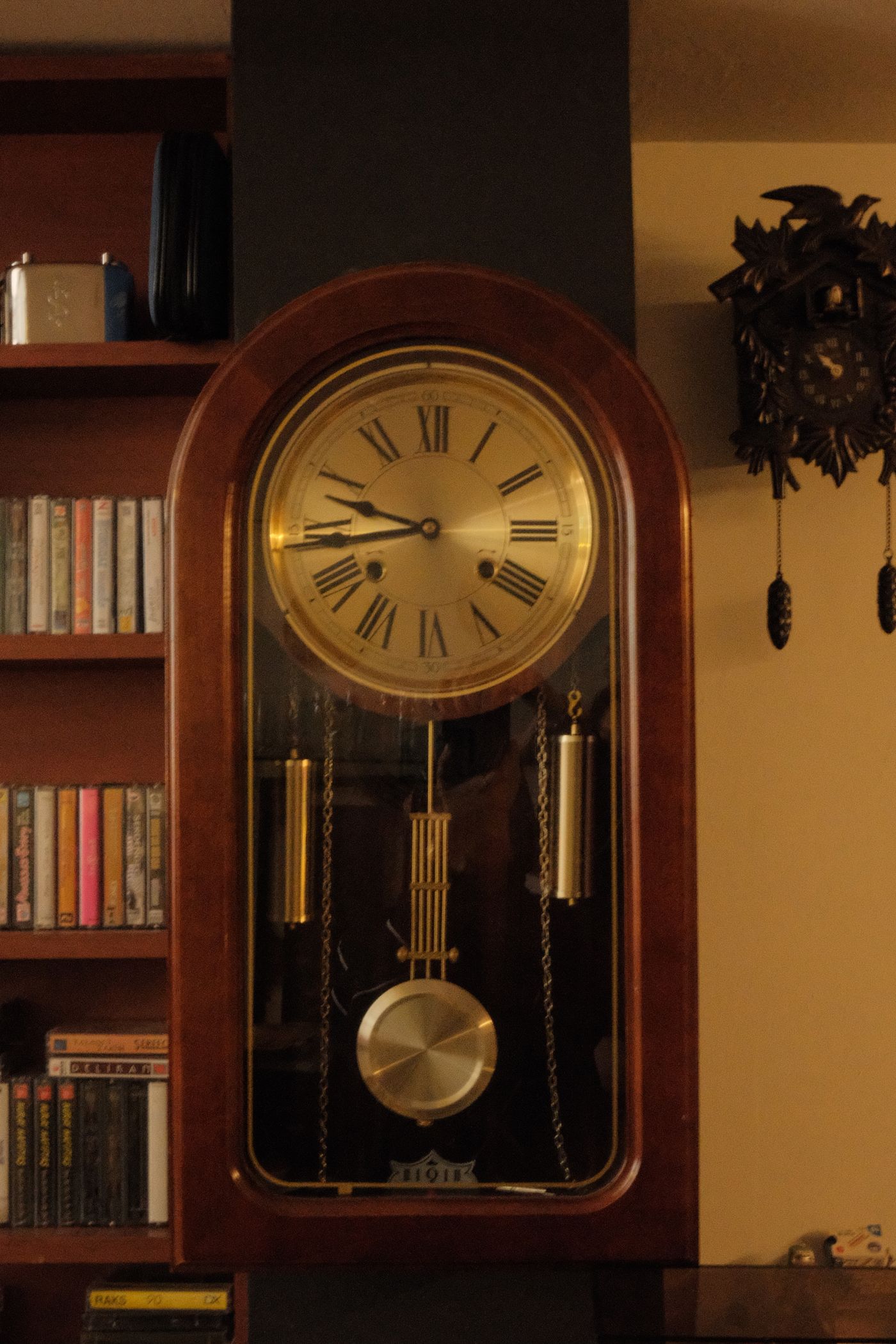
Tell the mover or repairer the clock's type, approximate dimensions, weight if known and whether it is currently running. Provide photographs of the whole object and accessible details. A longcase clock, a small mantel clock and a wall clock can have very different transport needs despite all containing a pendulum.
Ask who will prepare the mechanism and who will reassemble and set up the clock afterwards. If those tasks are outside the mover's service, arrange a suitable clock repairer separately. Clarifying responsibility early is easier than discussing it beside a van with the clock already lifted.
Ask about moving components
The pendulum and any weights need a model-appropriate plan so they cannot move freely and cause damage. Have someone competent identify what should be removed or secured and how it is supported. Do not unhook an unfamiliar pendulum or pull chains simply because a general guide mentions taking parts off.
Ask how separately packed components will be labelled and kept with the clock. Include keys, doors or other detachable pieces in the agreed inventory. Photographs of the condition and packaging provide a useful record without requiring you to open an unfamiliar movement.
Prepare the route and destination
Measure doorways, turns and stairs at both ends. Clear the route and identify where the clock can rest safely if needed. Discuss carrying equipment and the number of people required with the mover instead of treating a heavy case as ordinary furniture with a convenient handle.
Prepare the final stable position before arrival and arrange any required wall restraint or support with appropriate help. Leave time for correct setup and assessment rather than expecting the clock to run immediately after unpacking. Keep the transport notes with its record so the next move does not begin from the same uncertainty.