Notice the attachment before choosing a tool
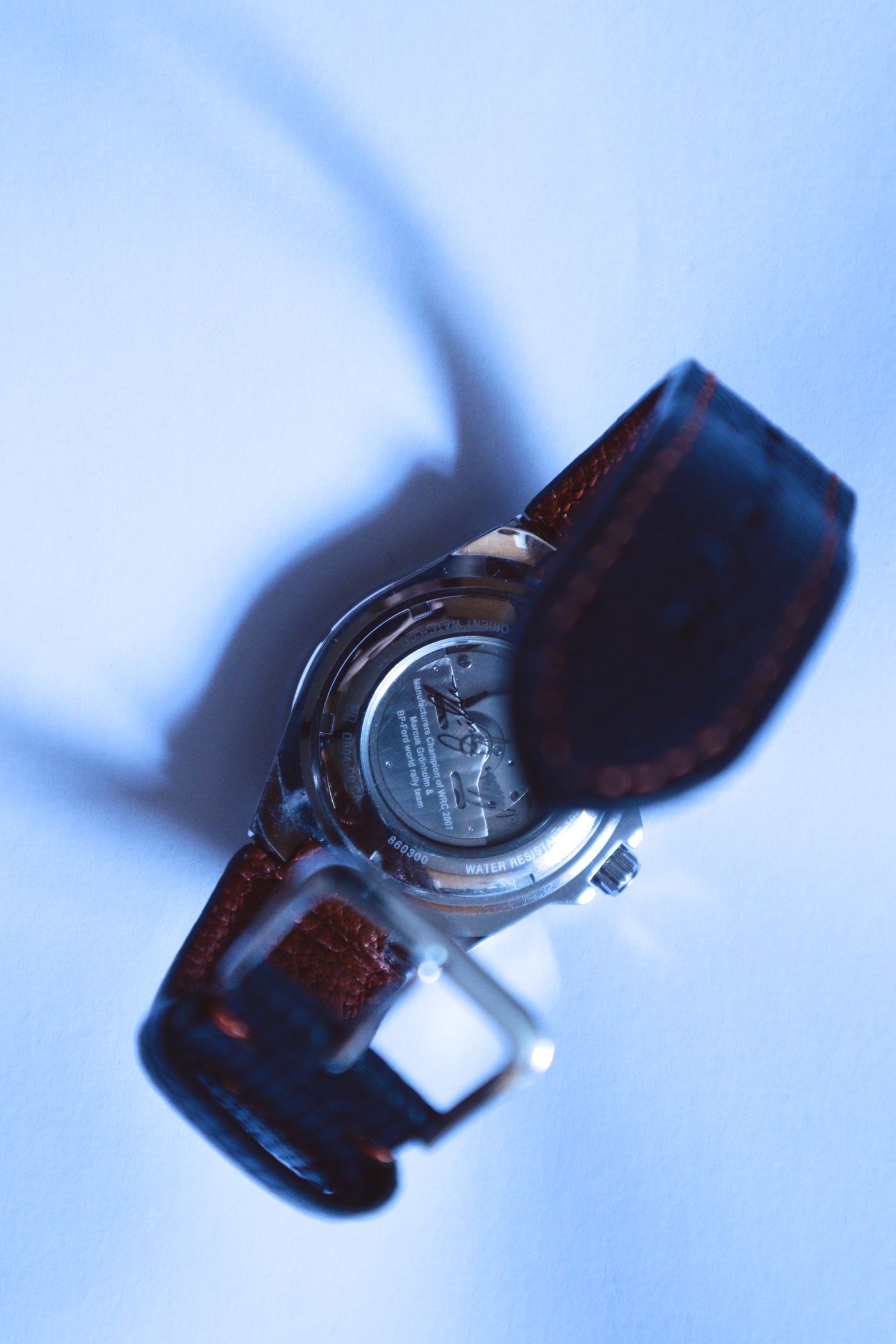
Look at how the strap meets the case. A familiar-looking watch may use shaped ends, screws, fixed bars or a proprietary system rather than the arrangement you expect. Find the model's instructions and identify the connection before attempting to release anything.
If the hardware is corroded, damaged or difficult to reach, a routine swap can become a more involved job. Do not keep increasing force because a video shows an apparently similar watch opening easily. Small differences in construction matter, and a slipping tool can damage both the case and the fastening.
Bring useful information to the repairer
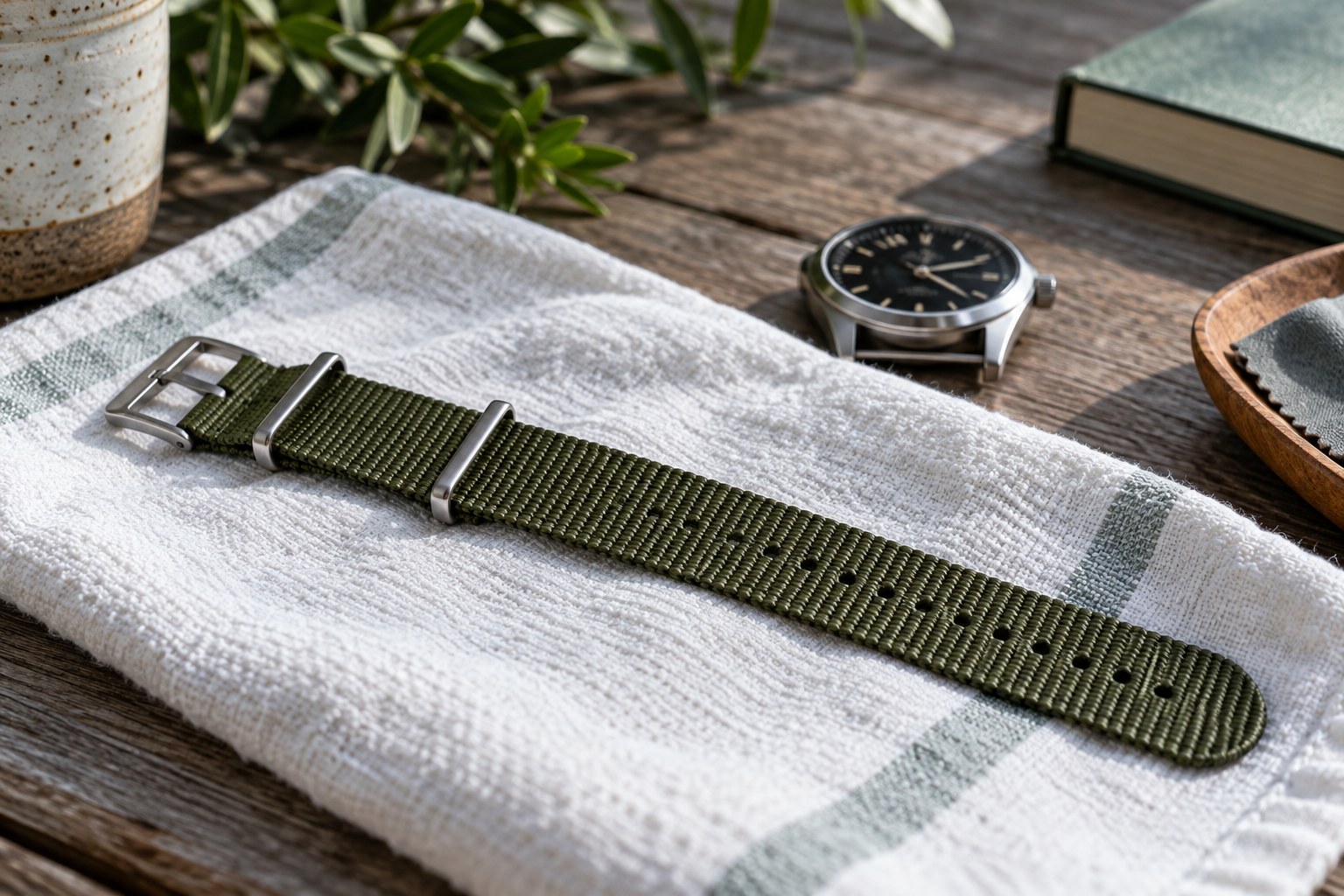
Take the watch, the proposed replacement strap and any original hardware you have kept. Include the strap's stated width and length, the watch model and details of an existing fit problem. A clear explanation such as the strap rubbing the case is more helpful than saying only that it feels wrong.
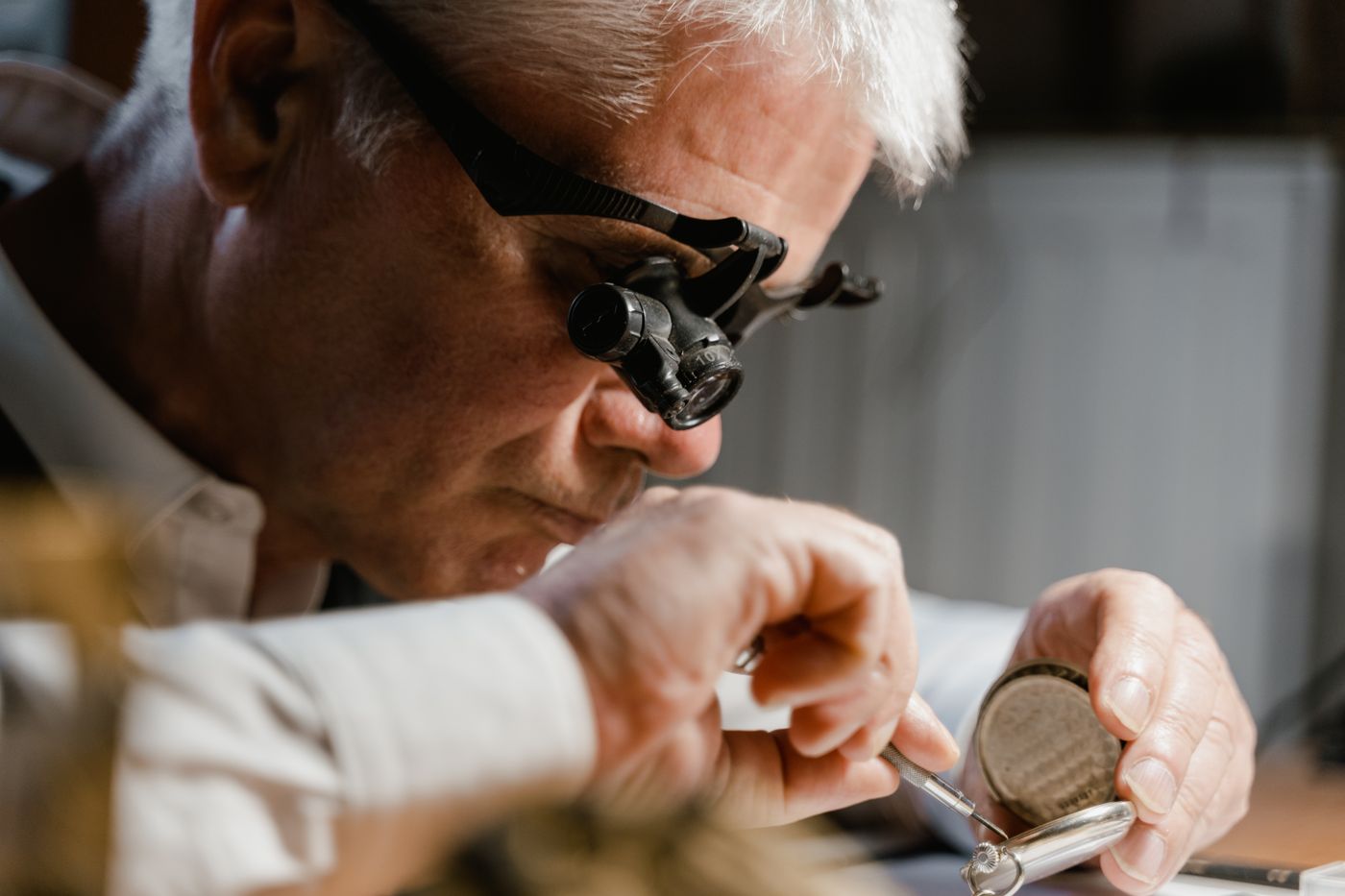
Ask whether the strap is compatible before authorising installation. A repairer may identify a thickness, shape or hardware issue that a nominal width measurement misses. Keep any removed parts together and ask which items should be retained with the watch's records.
Check the result as a complete fit
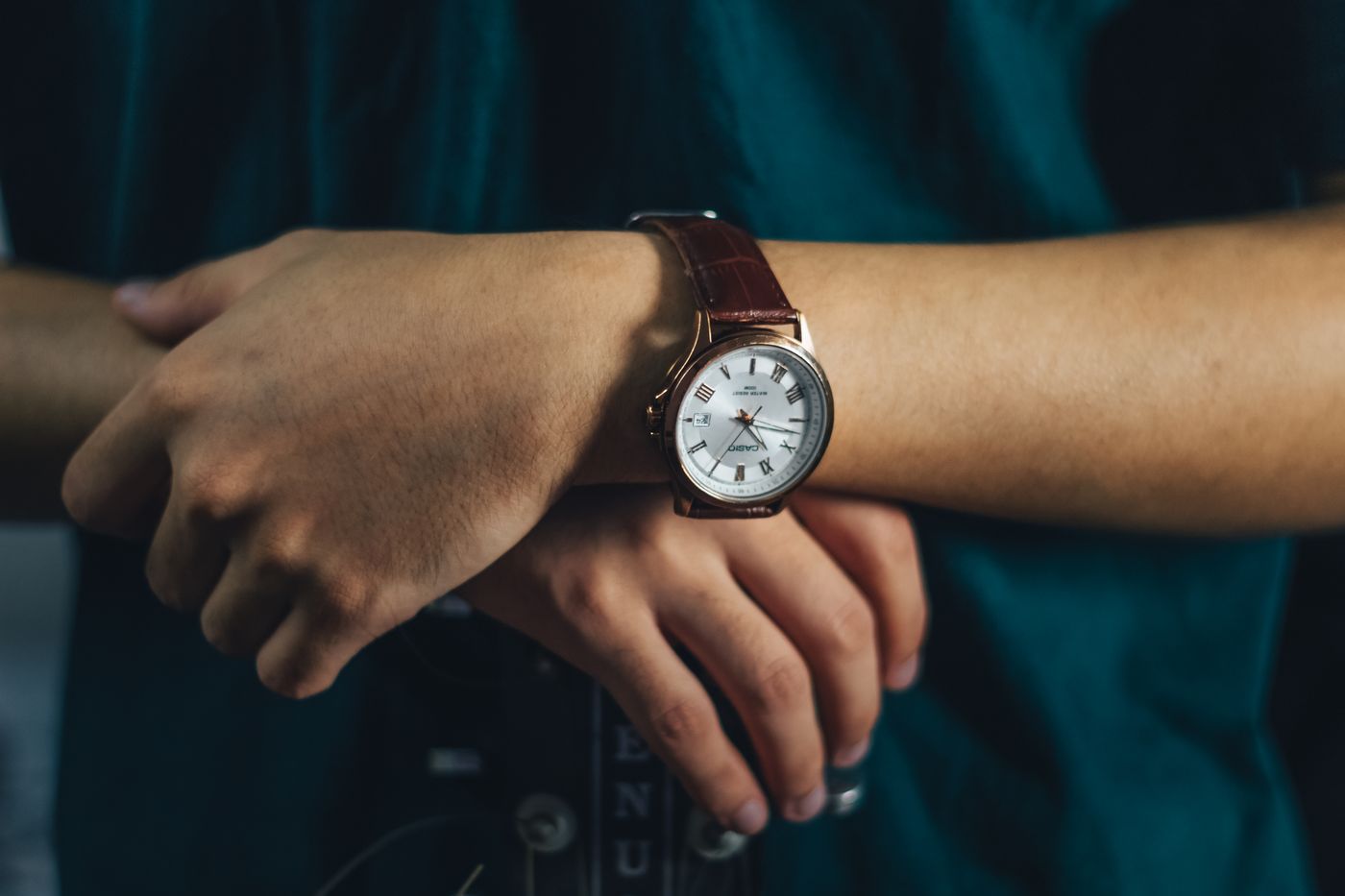
After fitting, assess how the watch sits on the wrist, how the buckle closes and whether the strap moves as intended. Tell the repairer about twisting, pinching or an awkward tail rather than assuming that discomfort is unavoidable with a new strap.
The final attachment should be secure, but do not try to prove it by pulling aggressively on the strap yourself. Ask the repairer to explain any model-specific checks or future care. Professional help is particularly useful when you cannot confidently identify the fitting or judge whether it is seated correctly; those are practical limits, not failures of preparation.