Identify the different sightlines
Ask where each person normally sits or stands when checking the time. A clock that serves one armchair may be hidden by a cupboard door from the other side of the room. Check the view at seated and standing heights rather than choosing a position from the centre of the floor. If the room has several uses, include the dining table or activity area. The aim is a practical compromise, not perfect visibility from every corner. Avoid making one person repeatedly move or lean just to read the dial.
Compare the complete display
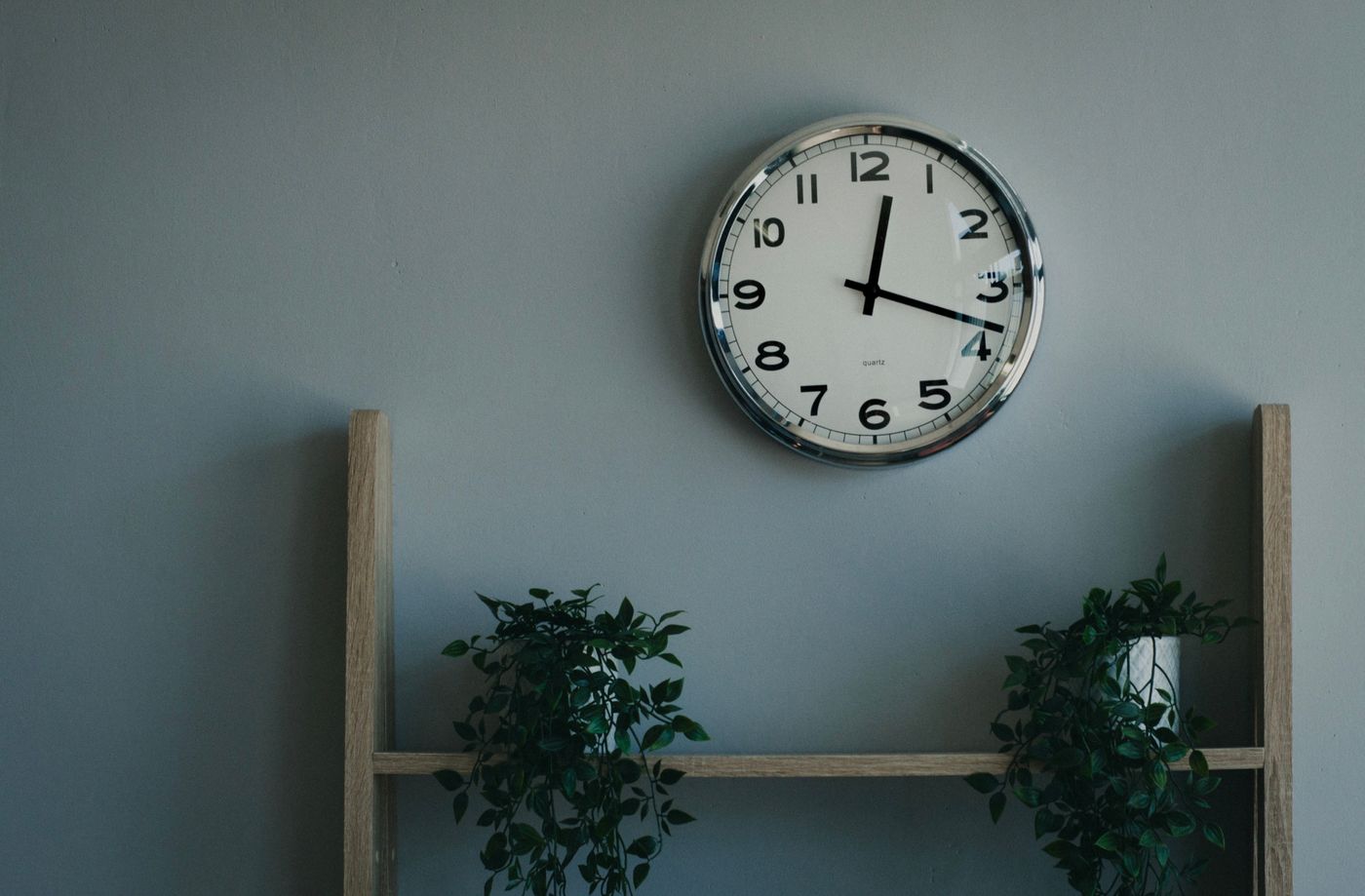
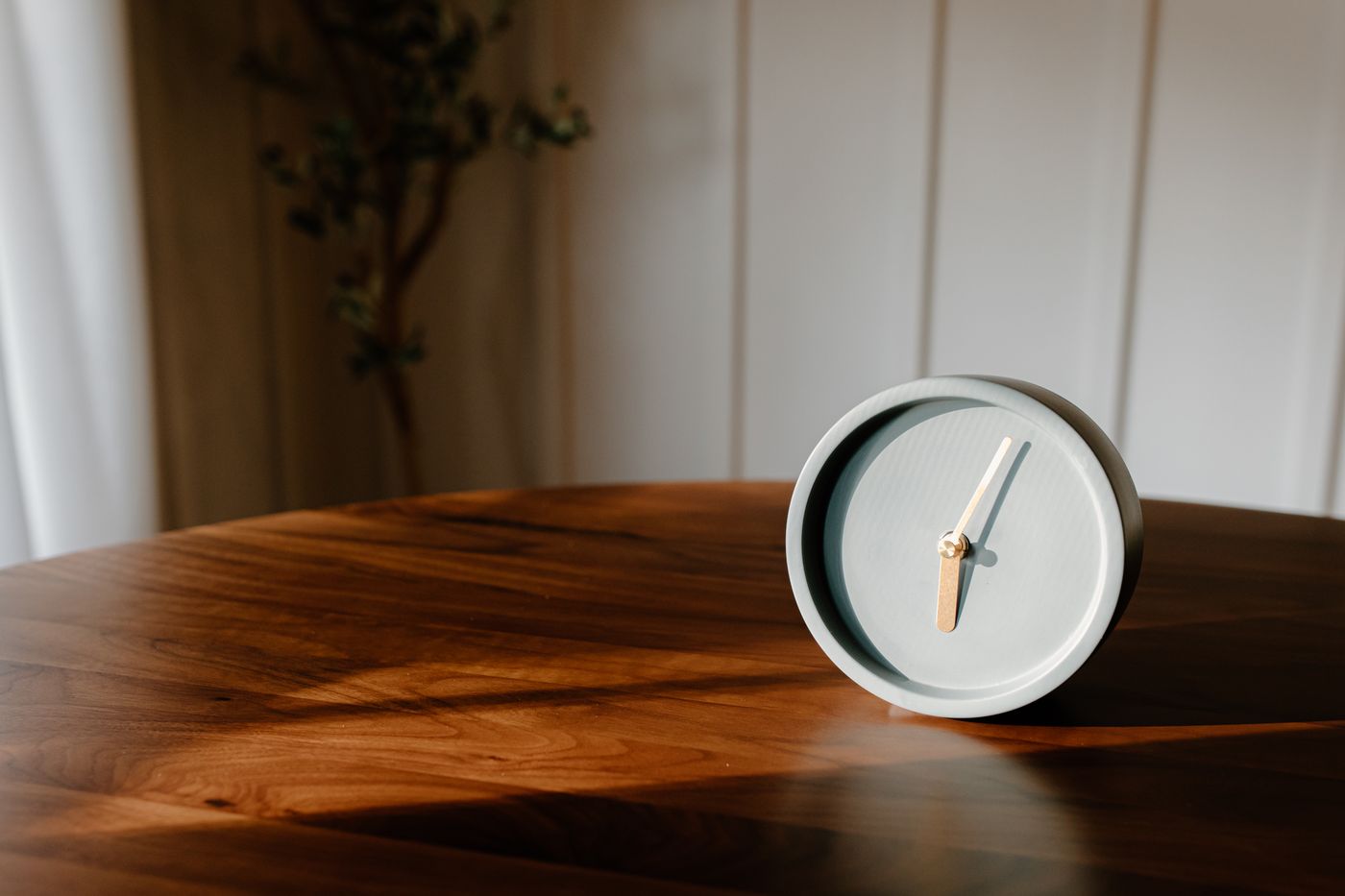
Choose clear separation between the hands and background, or between digital numerals and the screen. Size alone is not enough: a broad frame, decorative lettering or strong reflection can reduce usable information. Let the people who will use the clock compare the options when possible. Some prefer a familiar analogue face, while others find digital numerals more convenient. Do not present either preference as a universal accessibility solution. For a digital model, check whether the date, temperature and other details compete with the main time display.
Agree on the everyday behaviour
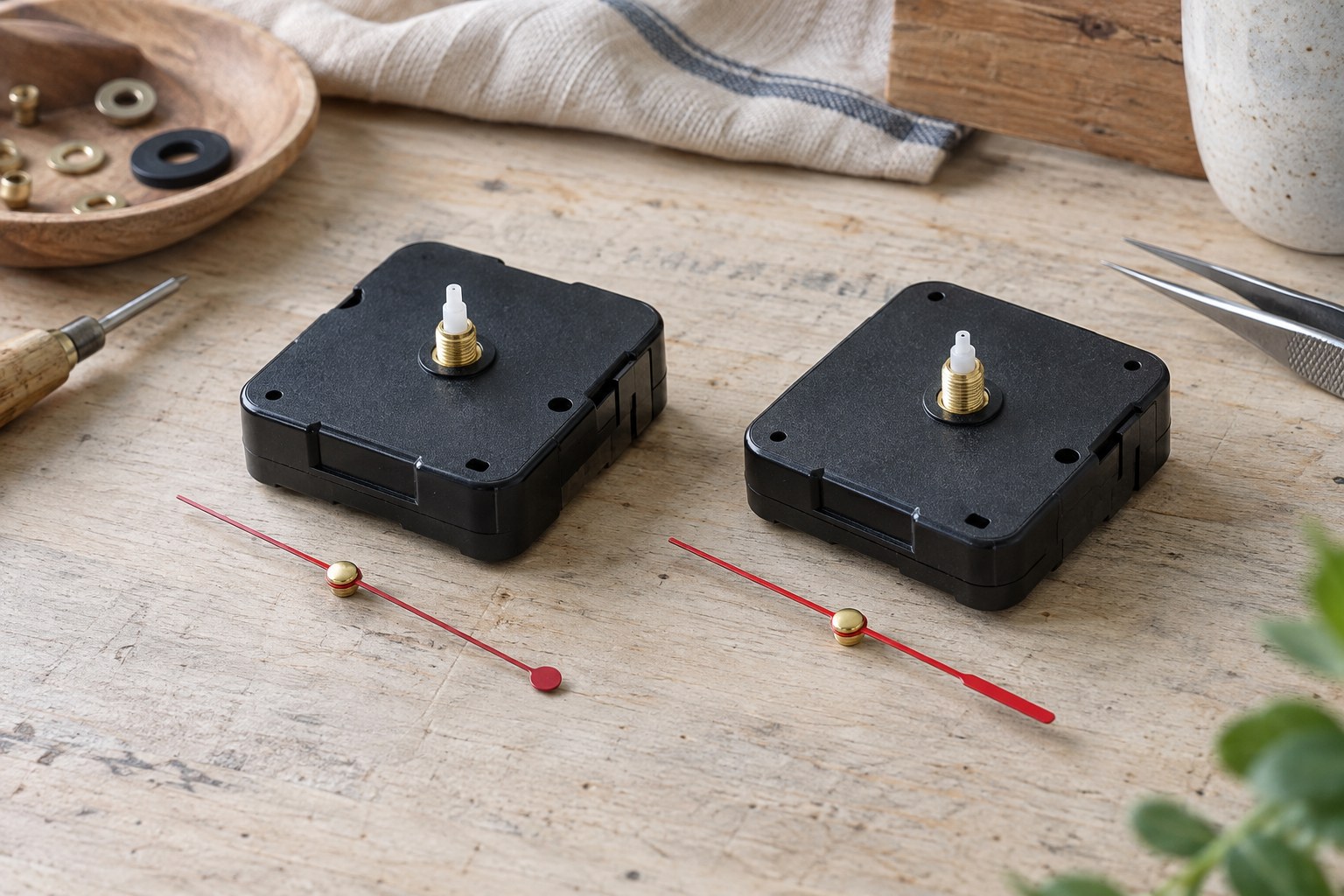
In a shared room, a chime, alarm or constantly bright display affects more than one person. Check whether these features can be disabled independently and whether the clock remembers the settings. Consider running noise during quiet activities as well as during conversation. Put the instructions somewhere that another household member can find them, and record the battery type. A simple clock that several people can reset confidently may be more useful than one with features only the original purchaser understands. Finally, make battery access and secure mounting part of the shared plan.