Compare the motion you will notice
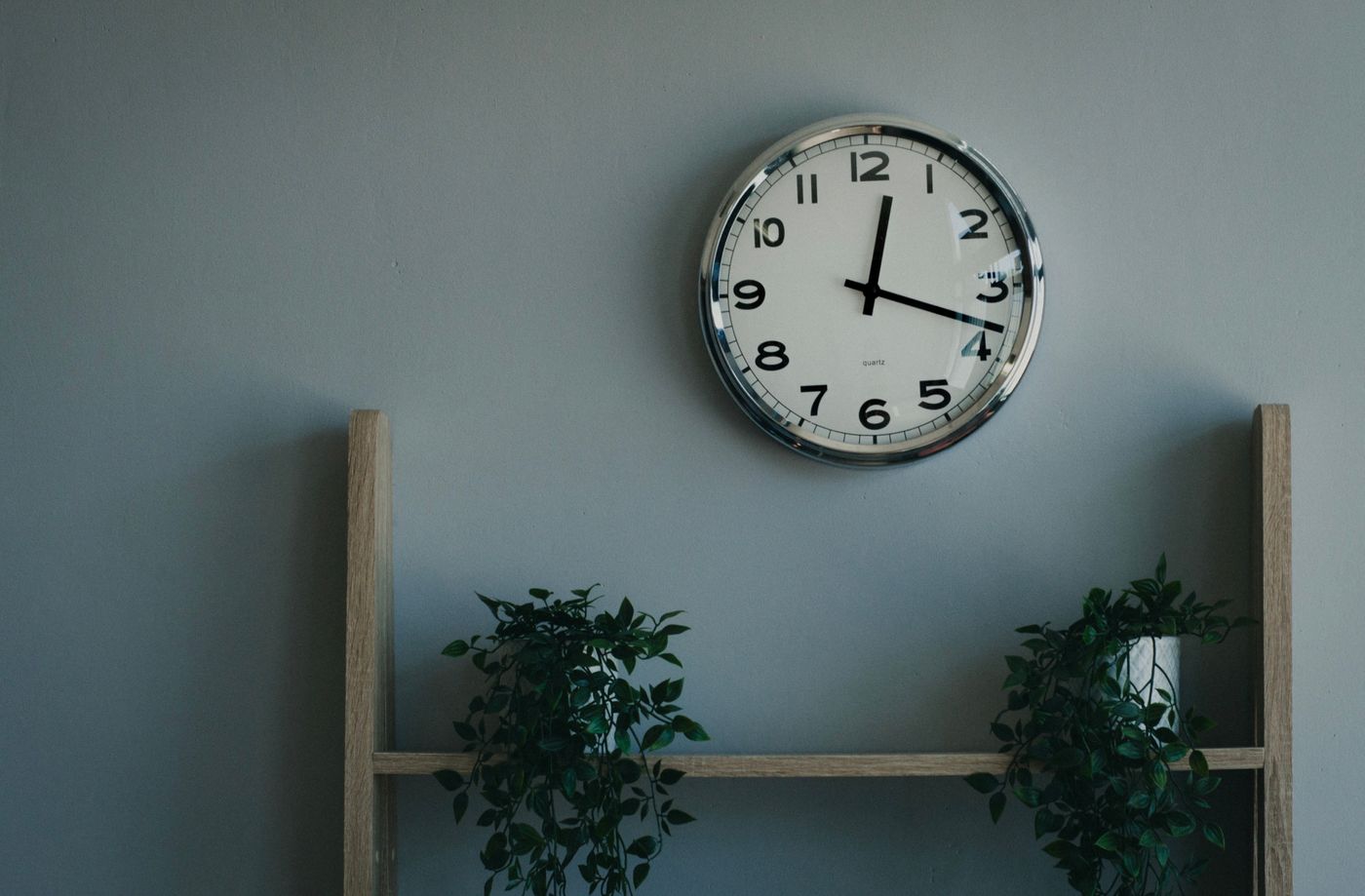
A conventional step movement advances the seconds hand in visible increments, commonly once each second. A sweep movement makes that progress appear smoother. Watch a real demonstration if the distinction matters to you: a still product photograph cannot show the movement, and a short promotional clip may have its sound removed. On a clock without a seconds hand, the label may tell you little about what you will see from across the room. Start with the complete clock rather than buying a word in the specification.
Match the room's priorities
For a bedroom, the useful question is how the complete clock sounds at the bedside. A sweep description alone is not proof that you will hear nothing. For a kitchen, clear hands and an easily cleaned outer case may matter more than their manner of movement. A step seconds hand can be convenient when you want to see individual seconds, although a wall clock should not replace a dedicated timer for a task requiring an alarm. Consider whether you need a seconds hand at all; removing that visual detail from your shortlist can make a dial feel calmer.
Look beyond the front face
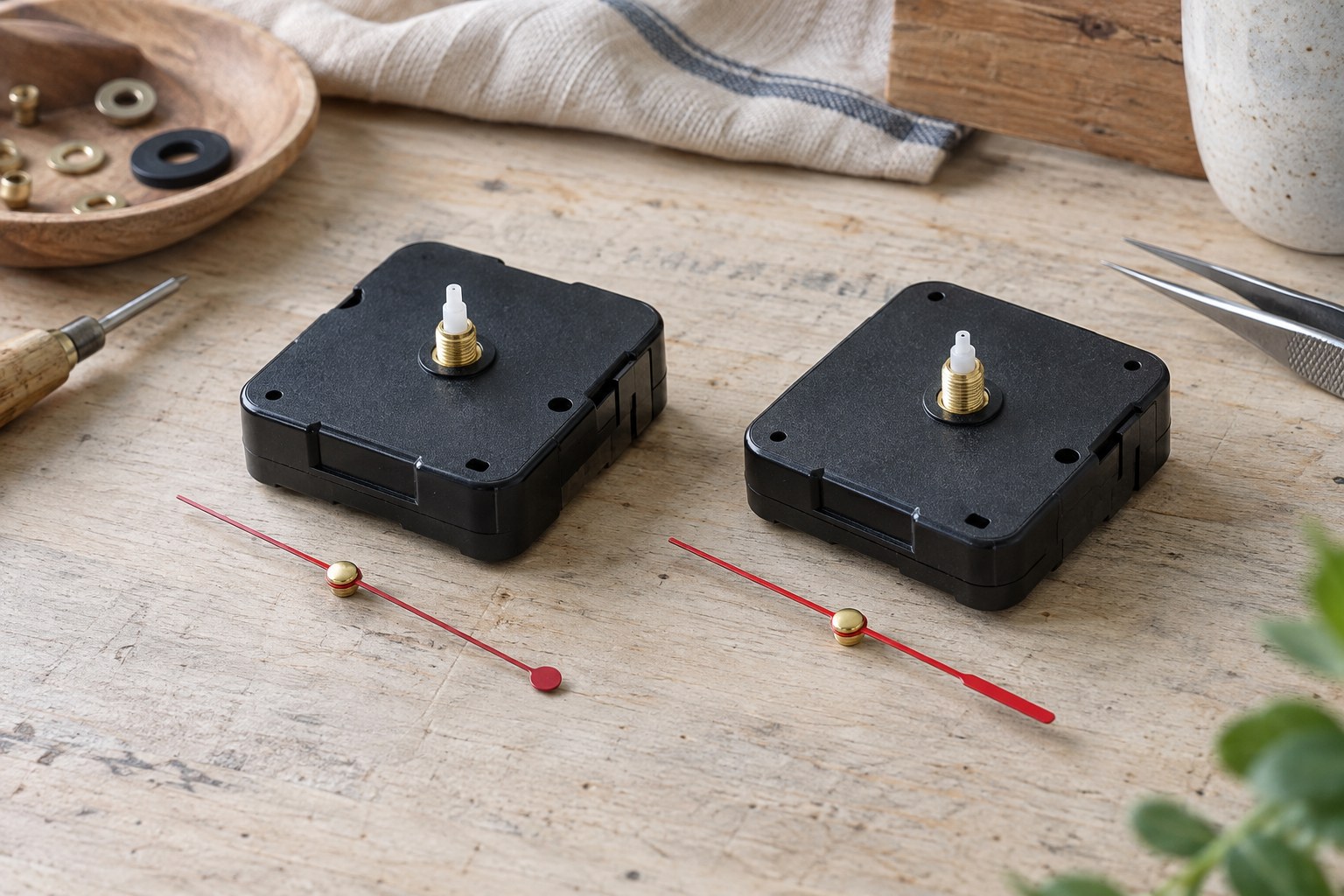
Compare battery requirements, access to the setting wheel and the method of mounting. If you are choosing a replacement mechanism, sweep and step are only part of compatibility. Shaft length, hand fittings, hand size and movement dimensions must suit the existing assembly. Do not assume that two mechanisms fit because both use the same battery. For a complete new clock, favour a clear manual and a seller who can answer questions about the exact model. These details remain useful long after the novelty of a smooth seconds hand has passed.