Identify what must pass through
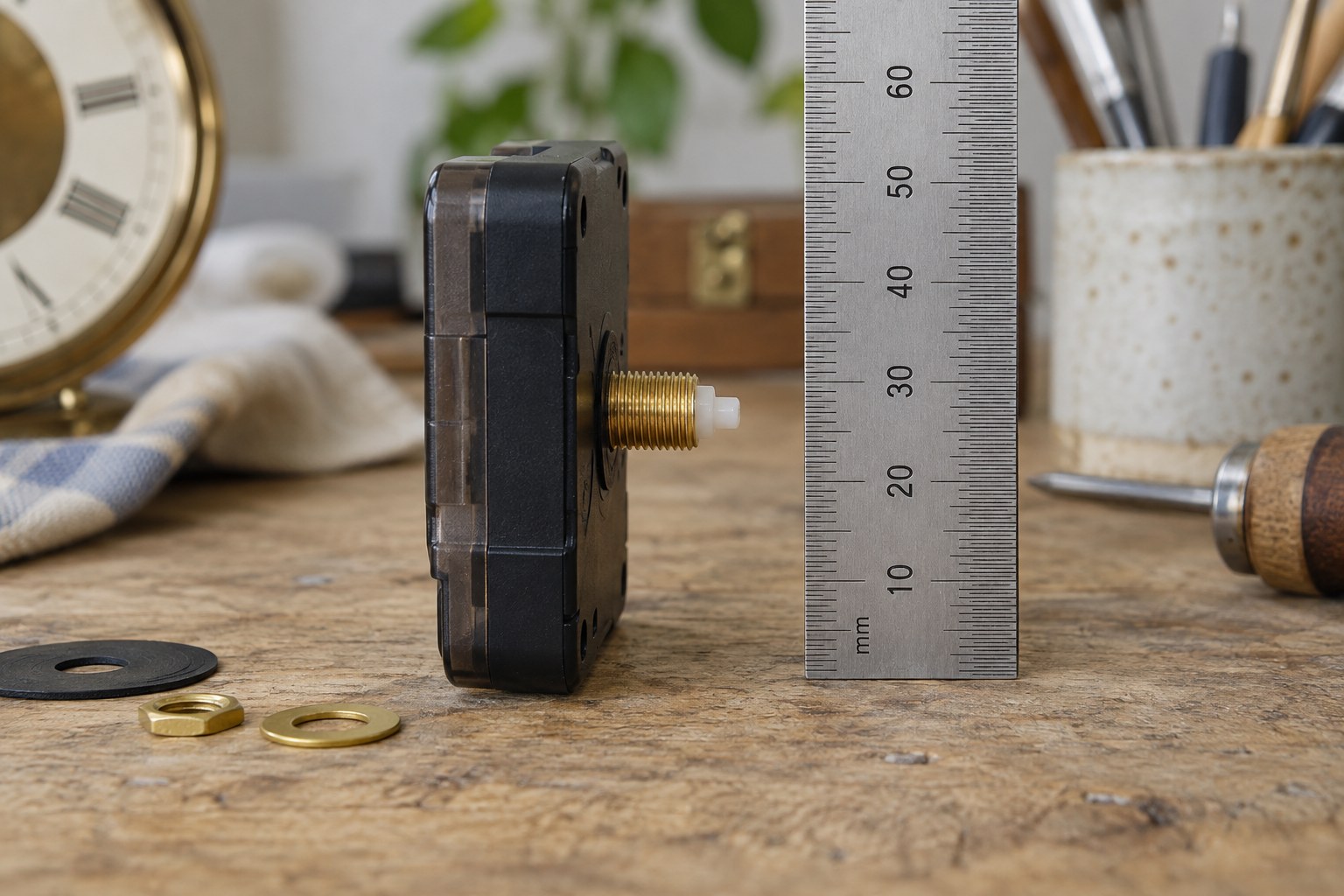
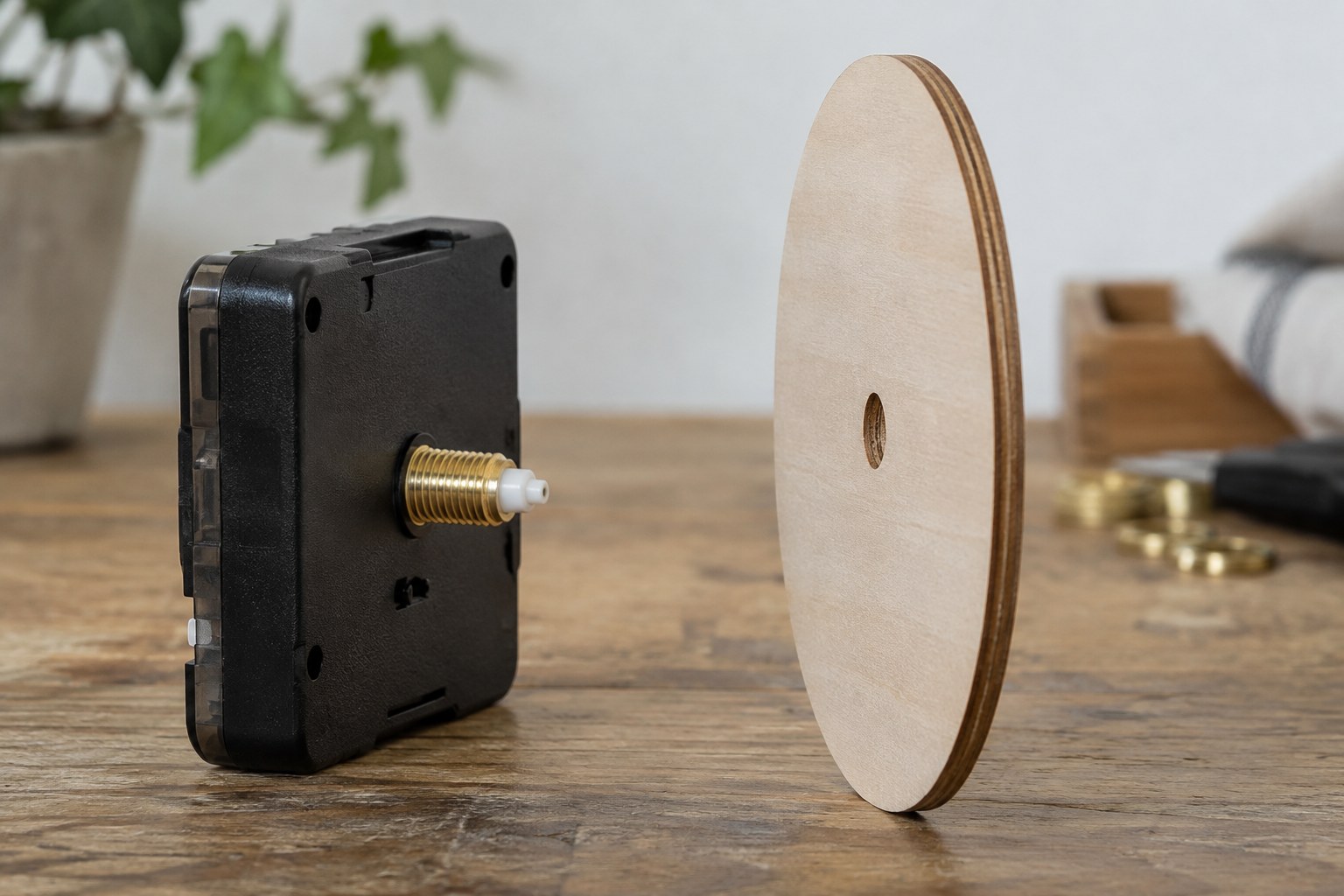
On a simple modern quartz project, the centre hole accommodates the shaft arrangement described by the movement supplier. Compare the specified opening with the actual blank and its material thickness. Do not assume the visible spindle diameter is the only dimension that matters to the complete mounting arrangement.
Record the existing opening accurately if you are replacing components. A photograph with a scale helps explain the situation, but a close-fitting measurement and the supplier's diagram are more dependable than judging a hole from a product image.
Ask why the fit fails
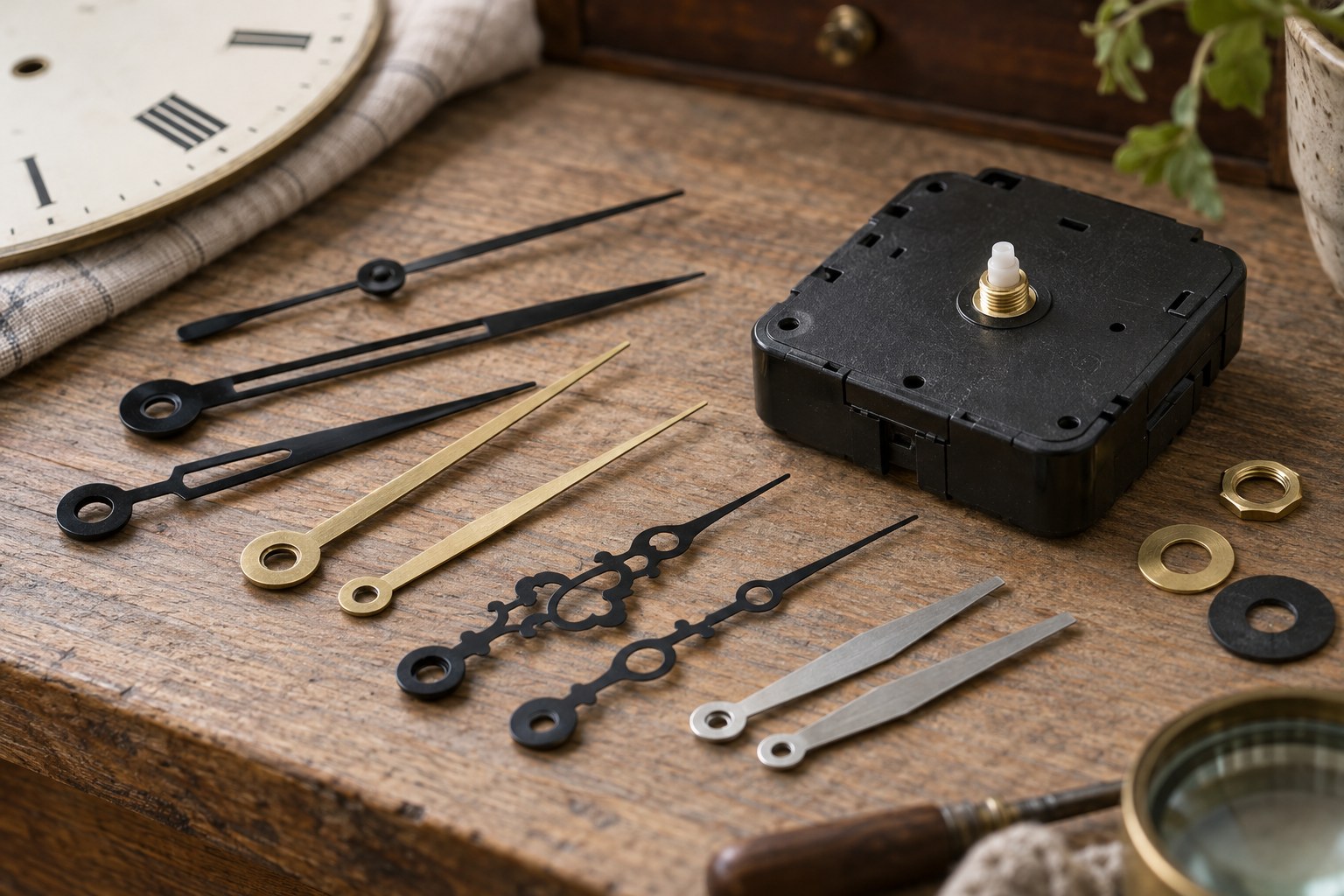
A movement that will not sit correctly may have the wrong shaft, body shape or fixing method. Enlarging the hole does not resolve those differences. Check the full part reference and the recommended dial thickness before altering the face, and ask the supplier to review the measurements if the cause is unclear.
Do not drill or file a vintage dial, glass face or brittle ceramic plate as an experiment. A small crack or lost finish can extend well beyond the area hidden by a washer. Choosing a compatible blank or having the work assessed may preserve more than forcing an existing object to accept a different movement.
Use an appropriate new blank
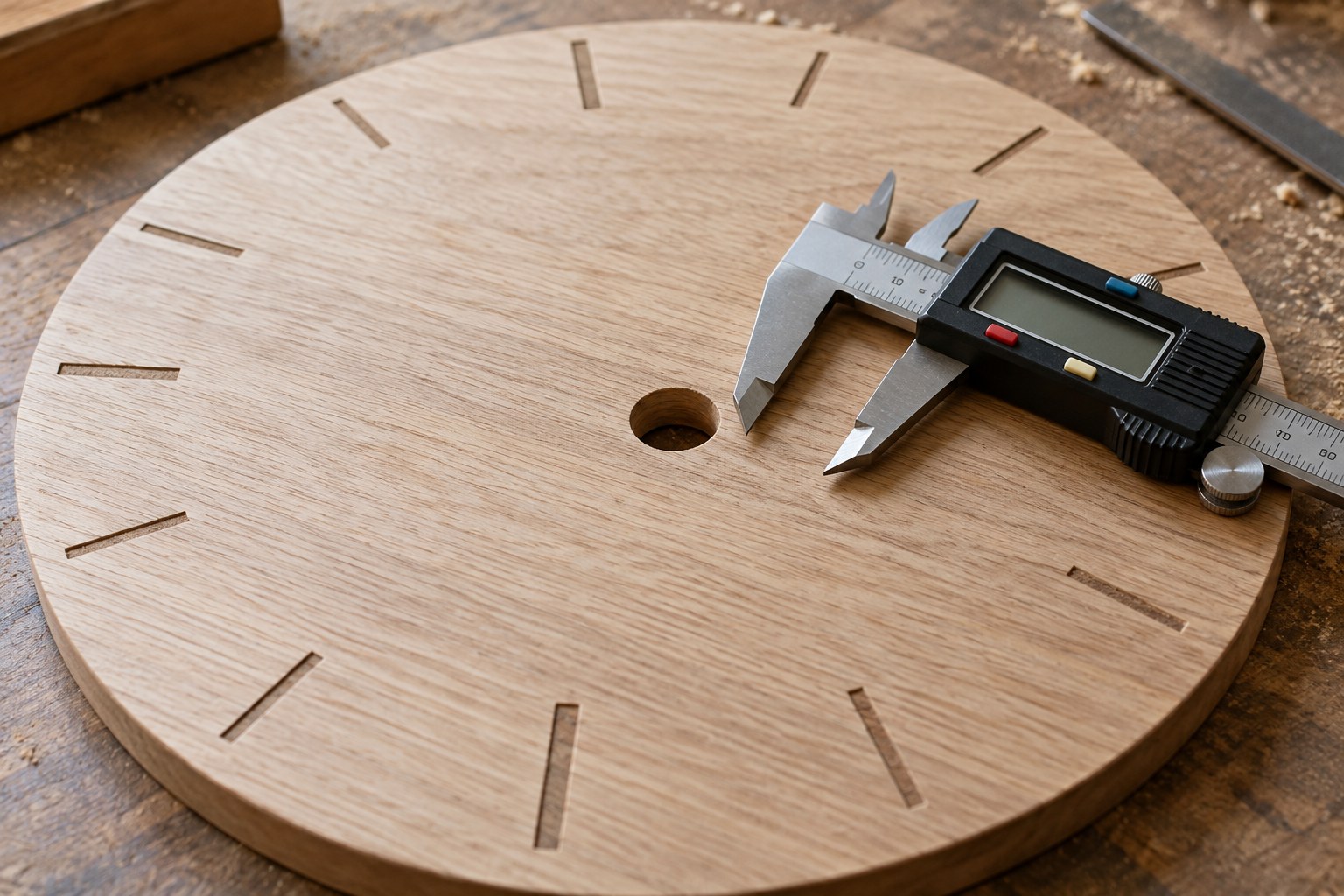
For a first craft build, a pre-drilled dial intended for the selected kit removes one uncertain step. If a new material needs an opening, use the material maker's recommended method and suitable equipment, or have a capable workshop prepare it. Keep the movement and hands away from cutting dust and debris.
Check the opening's position as well as its size before final decoration. An off-centre fixing makes an evenly printed scale look uneven relative to the hands. The fixing hardware should sit as designed on sound material; it should not be used to conceal a ragged opening whose remaining edge no longer supports the assembly properly.