Look beyond the material label
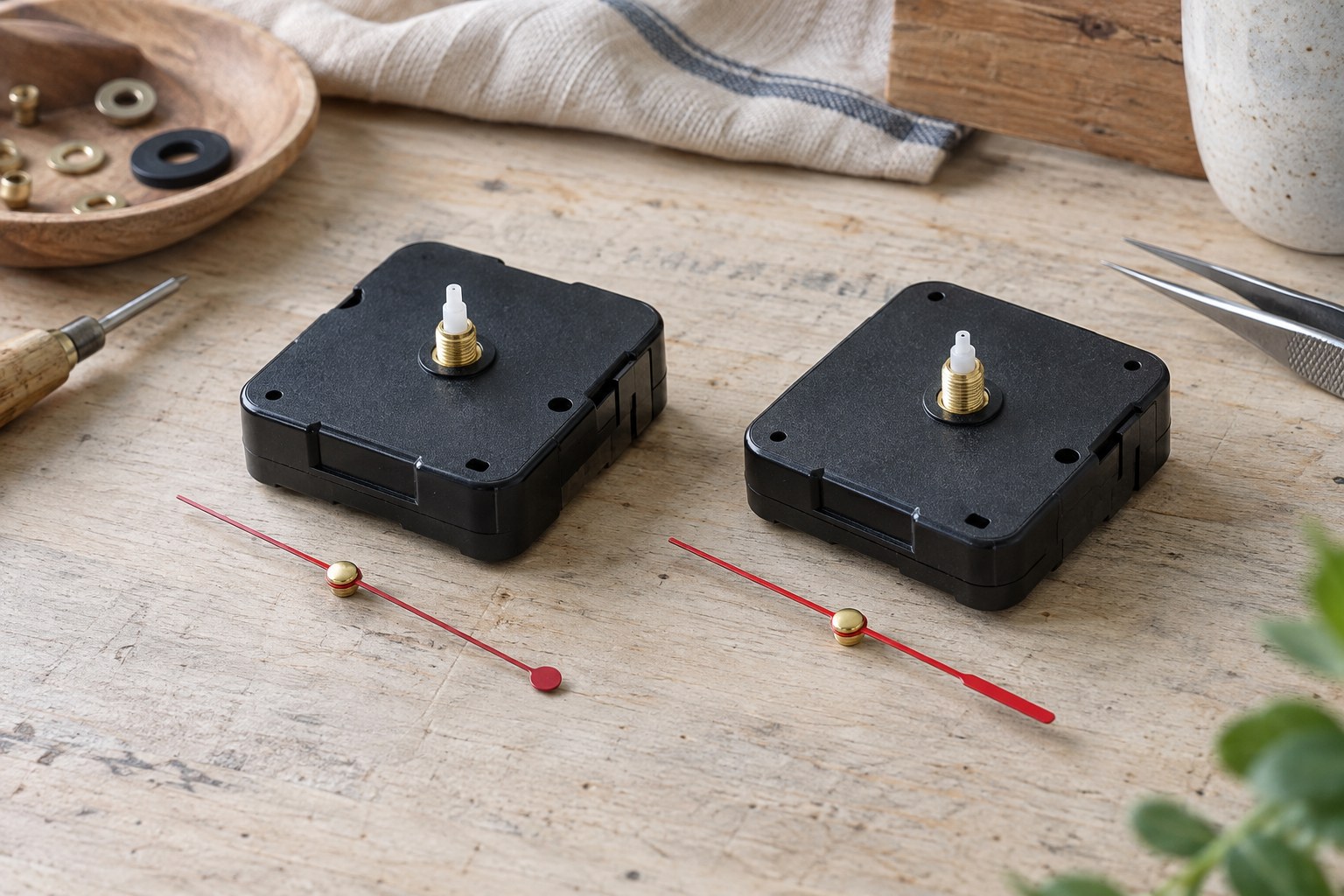
Plastic, metal and wood each cover many different constructions. A metal-look finish may be applied to plastic, while a wooden case may contain veneer or other components. Read the description if the distinction matters to you. Ask for the net weight and side photographs rather than assuming one material will be heavy or another lightweight. Examine how the rear panel, hanging point and front cover are attached. These details can affect daily use more than the broad material category printed in a heading.
Match care to the actual finish
A smooth, intact case may be easier to dust than a heavily carved or textured one. However, do not select a cleaning method solely from the apparent material: a coating, printed design or veneer can change what is suitable. Check the maker's care instructions before buying if the clock will be used in a kitchen or another demanding room. Metal does not automatically mean outdoor suitable, and a wooden appearance does not tell you how the case will tolerate damp. Placement limits apply to the whole clock, including its mechanism and cover.
Compare it with the room
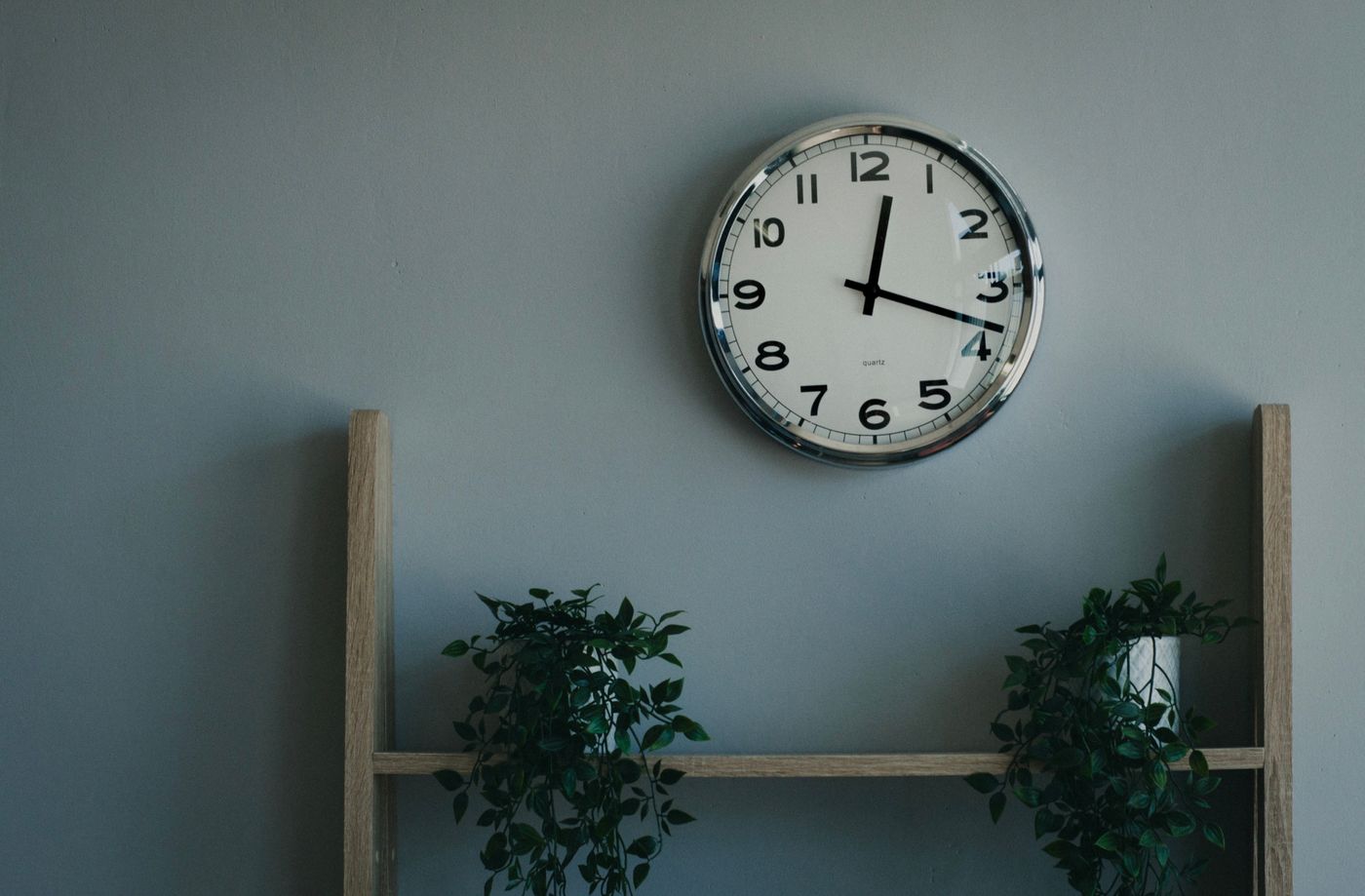
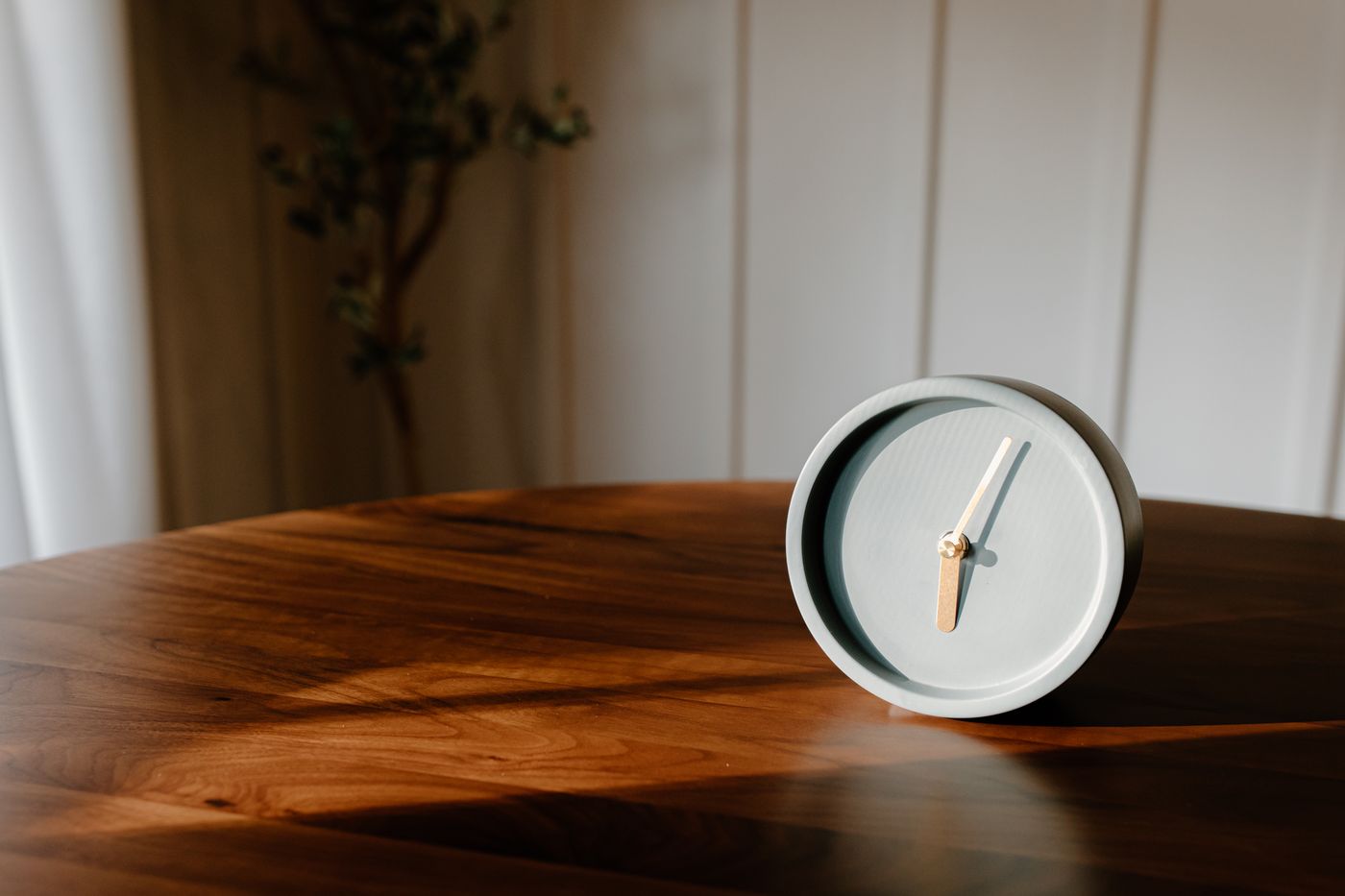
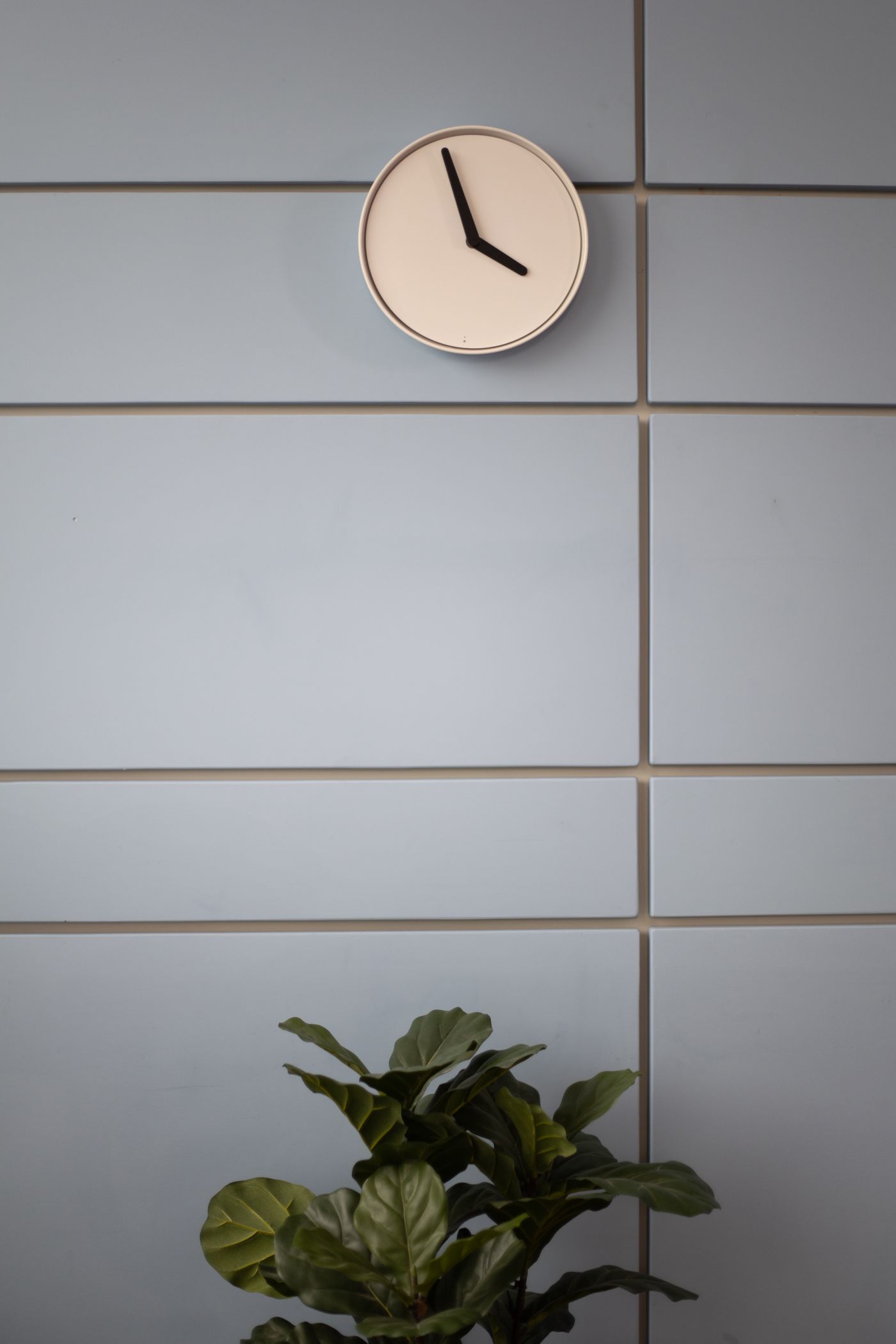
Look at how the finish responds to ordinary lighting. A polished rim can reflect a window, while a dark case may visually merge with a shelf behind it. If ordering online, compare several photographs without assuming your screen reproduces the colour exactly. Make a paper outline to assess scale, then check the weight and mounting requirements separately. For a shelf clock, confirm that the base sits securely and does not rely on a narrow decorative edge. Choose the material you like after these practical questions are answered, rather than treating it as a guarantee of quality.