Learn how the light behaves
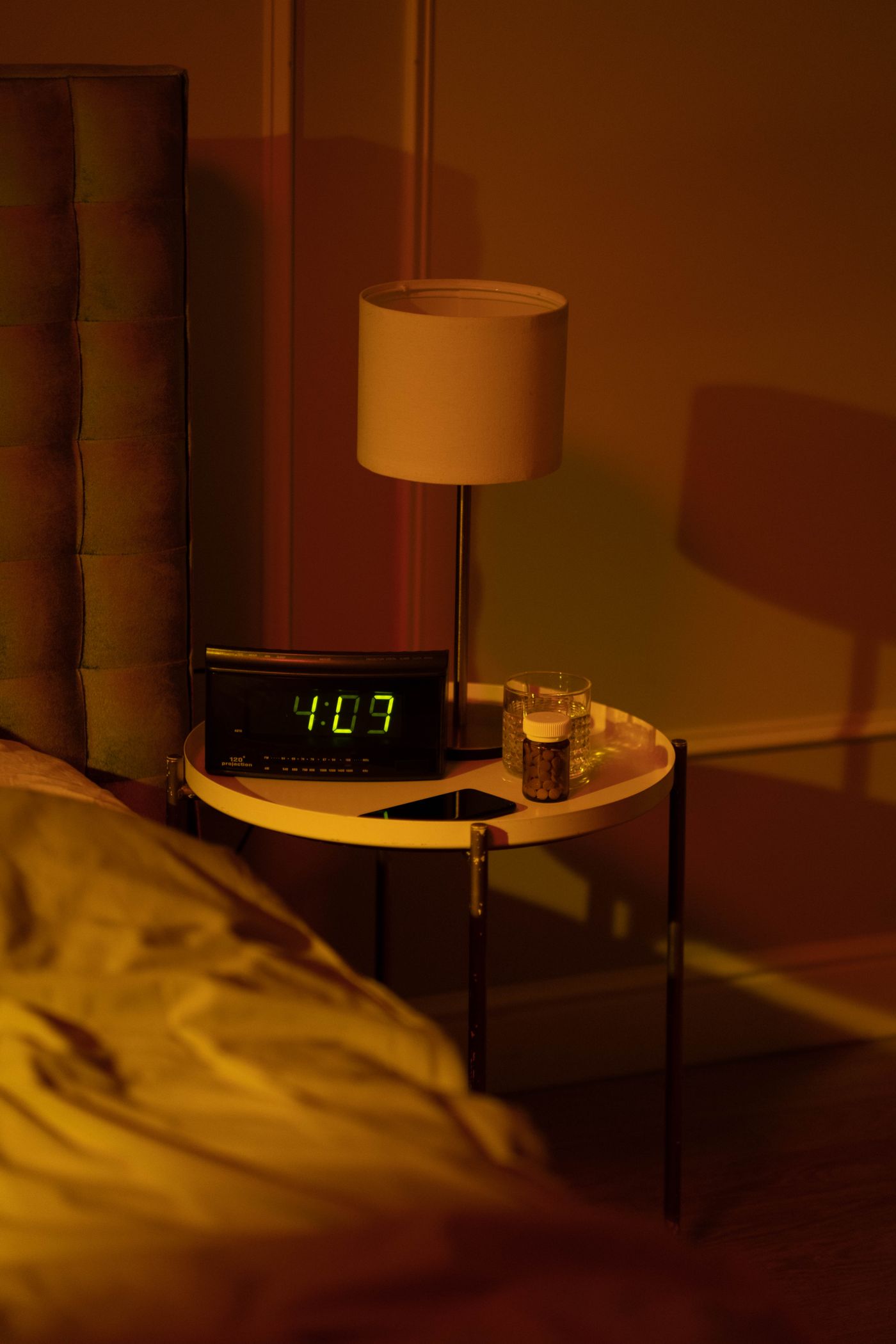
Find out whether the display is continuously illuminated, button operated or controlled by a light sensor. These are different experiences. Check the available brightness settings and whether the lowest level can be switched off entirely while the alarm remains active. Some clocks remember a brightness choice after power is interrupted; others may revert to a default. The instruction sheet should explain this, and it is worth knowing before relying on the clock beside your bed. Do not assume that a photograph showing a dim display represents every setting.
Test from the pillow
Place the clock at its intended distance and height during a normal evening. Let the room become dark before judging the display. Check both readability and how much light falls on nearby surfaces. A glossy bedside table can add reflections that are absent from a shop display. Try a modest change of position while keeping the clock stable and its controls accessible. Avoid covering ventilation openings or wrapping a powered clock to reduce brightness. If the minimum setting is still uncomfortable, a different display type may be more suitable than an improvised cover.
Include the overnight controls
If illumination is temporary, practise finding the light button without accidentally changing the alarm. Note how long the light stays on and whether pressing it also triggers snooze. With an automatic sensor, check what happens when a bedside lamp or corridor light is switched on. For a clock powered by an adaptor, confirm what any backup battery actually preserves; it may retain settings without running the illuminated display. Read the manual rather than discovering the distinction during a power interruption. Keep the first-night assessment separate from an important early appointment.