Ask what outdoor means for this model
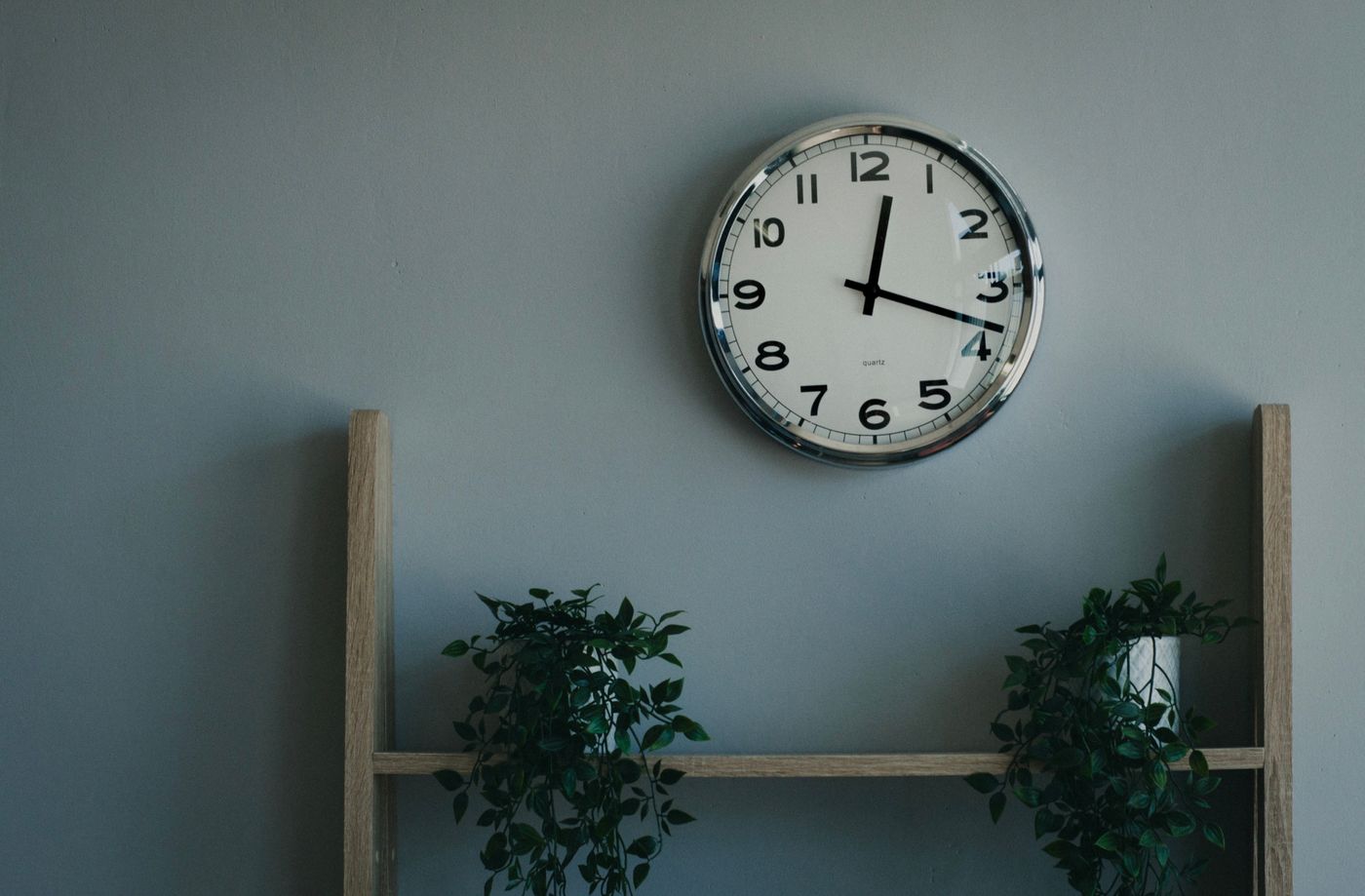
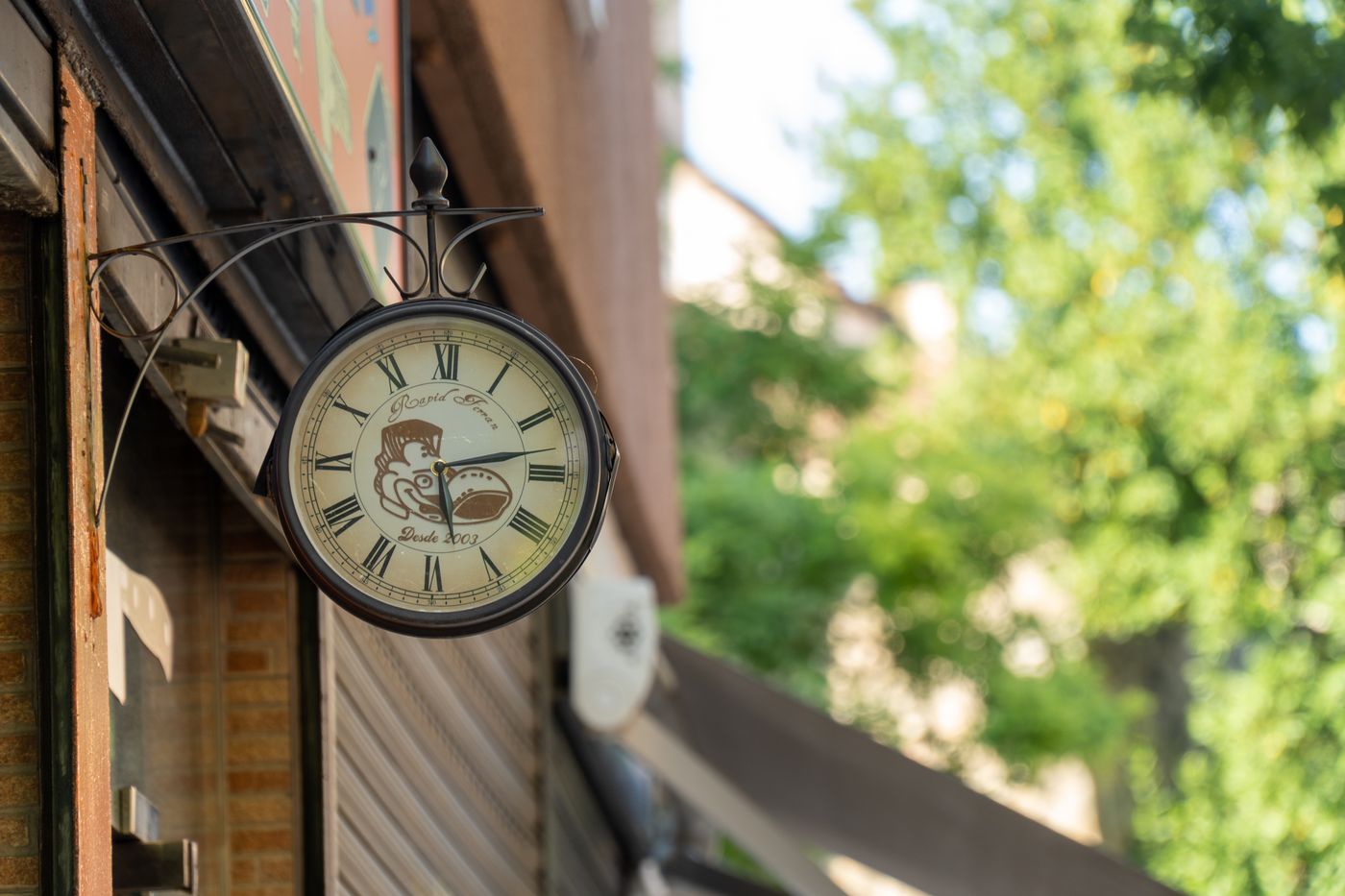
Garden clocks face rain, wind, sunlight and seasonal temperature changes. A maker may intend a model for a sheltered porch rather than an exposed fence. Read the mounting and weather-protection instructions, including any recommendation for cover. Check whether the battery compartment, rear movement or thermometer section has separate limitations. A photograph on a brick wall tells you little about those details. If the seller cannot explain the permitted setting, do not assume a large decorative case protects the internal parts from every direction.
Consider the whole year's position
Visit the proposed spot after rain and notice where water runs or splashes. A short roof overhang may protect against vertical rain but offer little shelter from wind-driven weather. Look for direct afternoon sun and the possibility of garden watering reaching the clock. Choose a position that remains accessible without leaning over planting or climbing on furniture. If the instructions call for seasonal removal, make sure that task is realistic. A clock fixed high above a greenhouse may be much harder to bring indoors than one beside the back door.
Match the mounting to the surface
Check the clock's weight, the supplied hanging arrangement and the requirements for the wall or fence. Wind can affect a loosely hanging object, so follow the specified installation rather than improvising a single nail. The fitting must suit the substrate and outdoor exposure as well as the load. Keep a record of the model and inspect the visible mounting condition during ordinary garden maintenance. If the clock develops internal condensation or a damaged cover, stop treating it as weather protected and ask about repair or replacement. Do not seal ventilation openings with tape as an improvised upgrade.