Care & upkeep
Small checks for the clocks you live with.
21 guides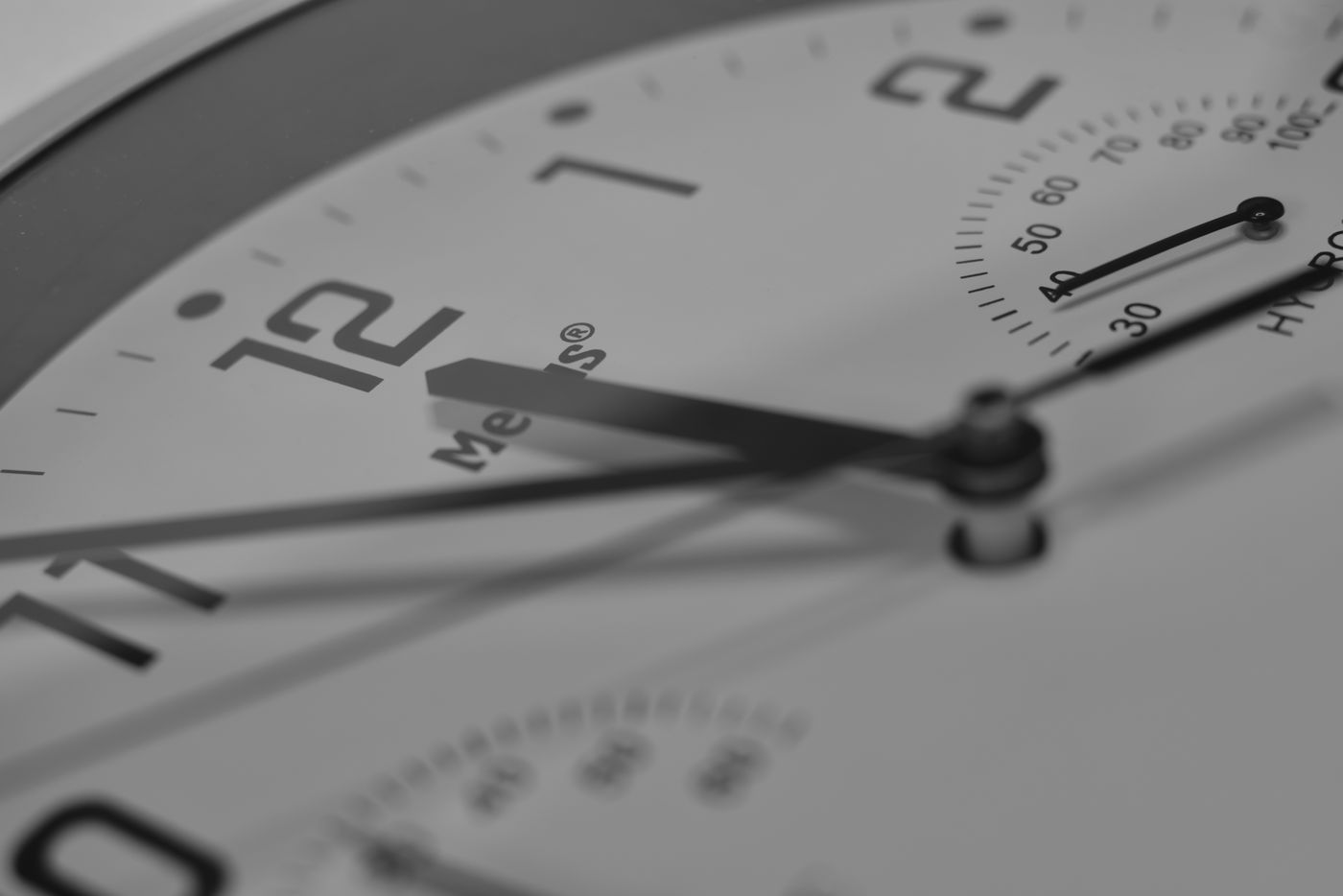
Checking whether the hands are touching
Observe the point of contact before deciding whether any adjustment is appropriate.
Read the notes ↗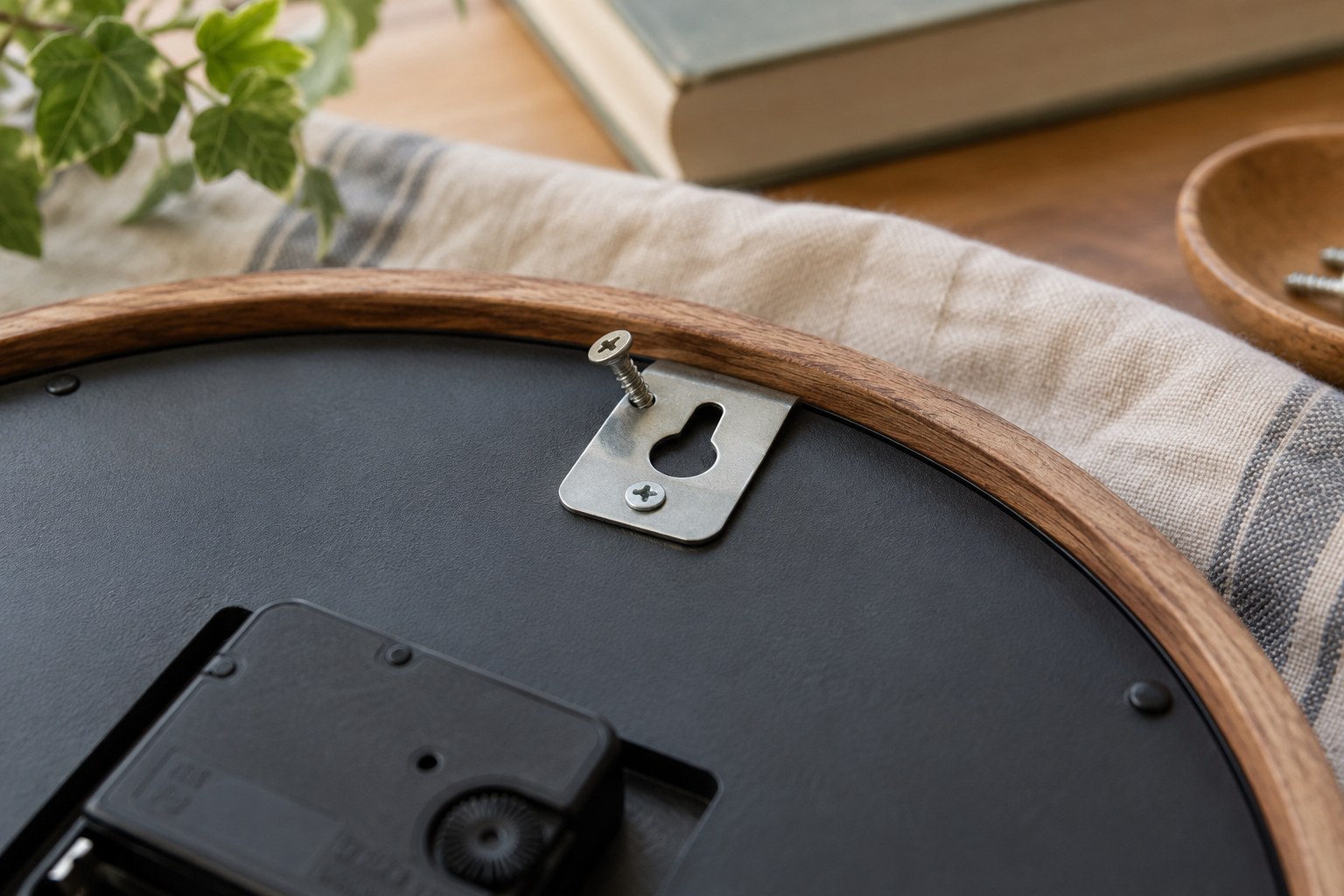
A loose hanging hook needs attention first
A clock that runs perfectly still needs a secure way to stay on the wall.
Read the notes ↗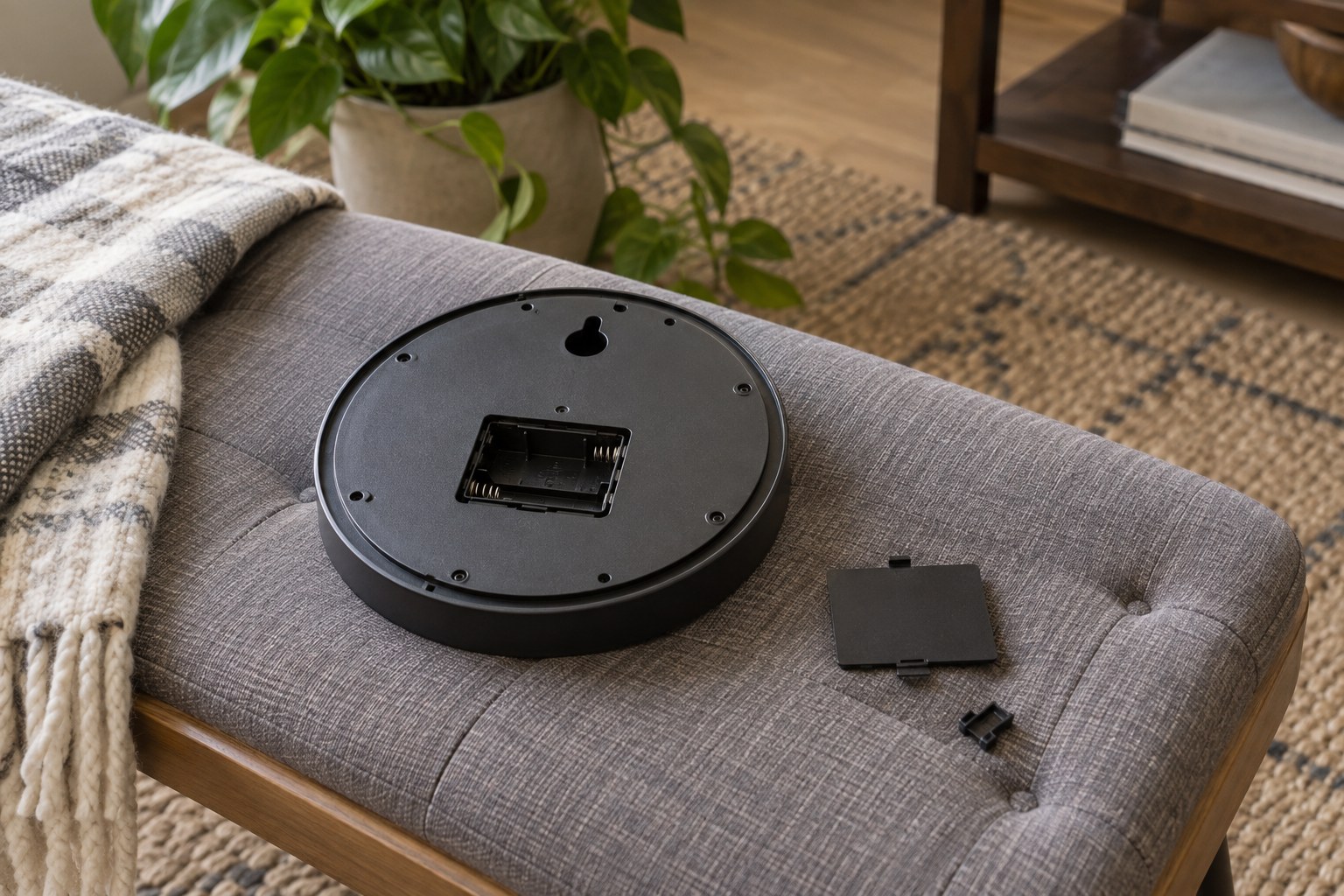
What a rattling clock case can tell you
A new rattle is useful information, but shaking the clock will not make that information clearer.
Read the notes ↗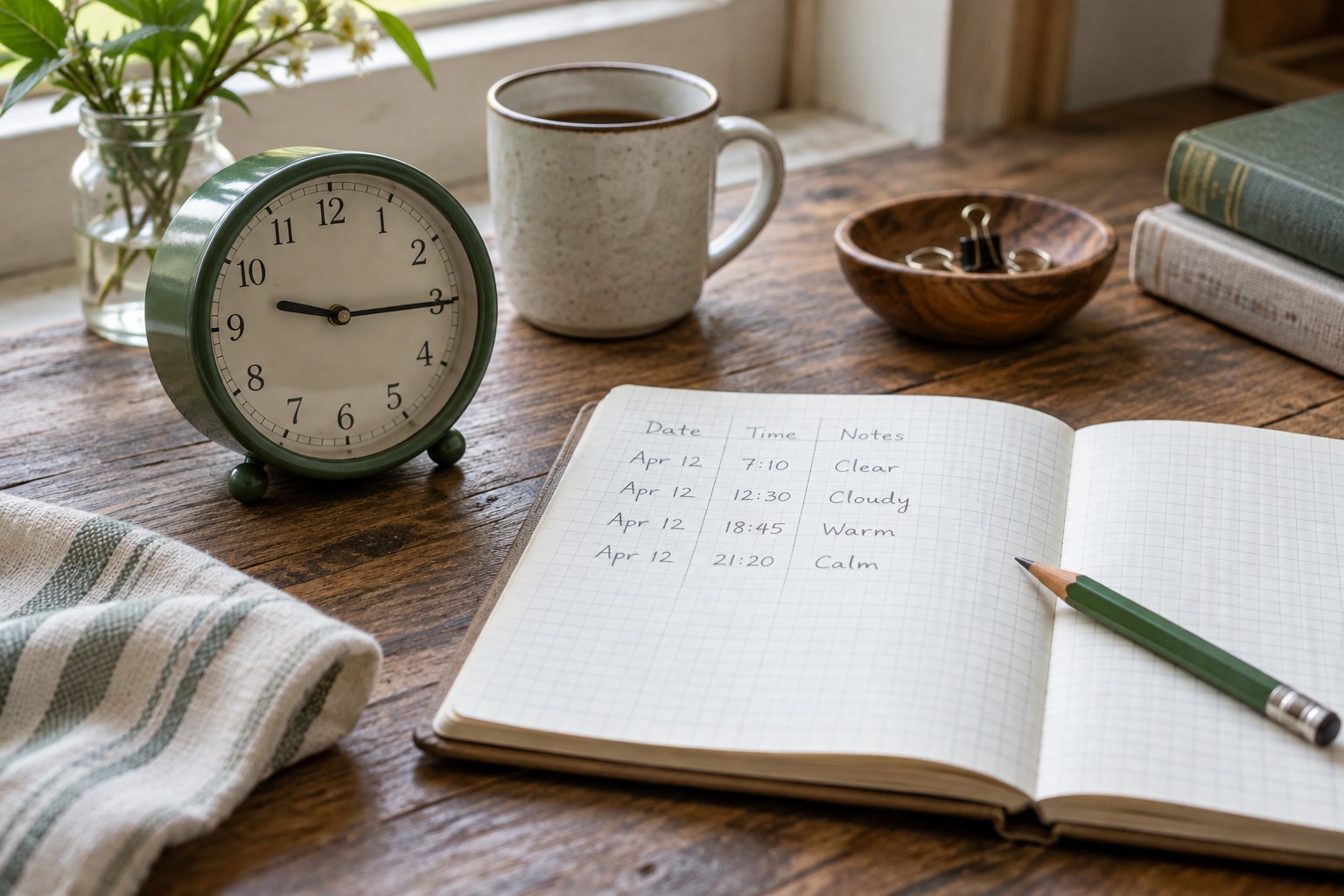
Recording a clock's timekeeping over a week
A short log can distinguish a steady gain from an irregular stop without opening the clock.
Read the notes ↗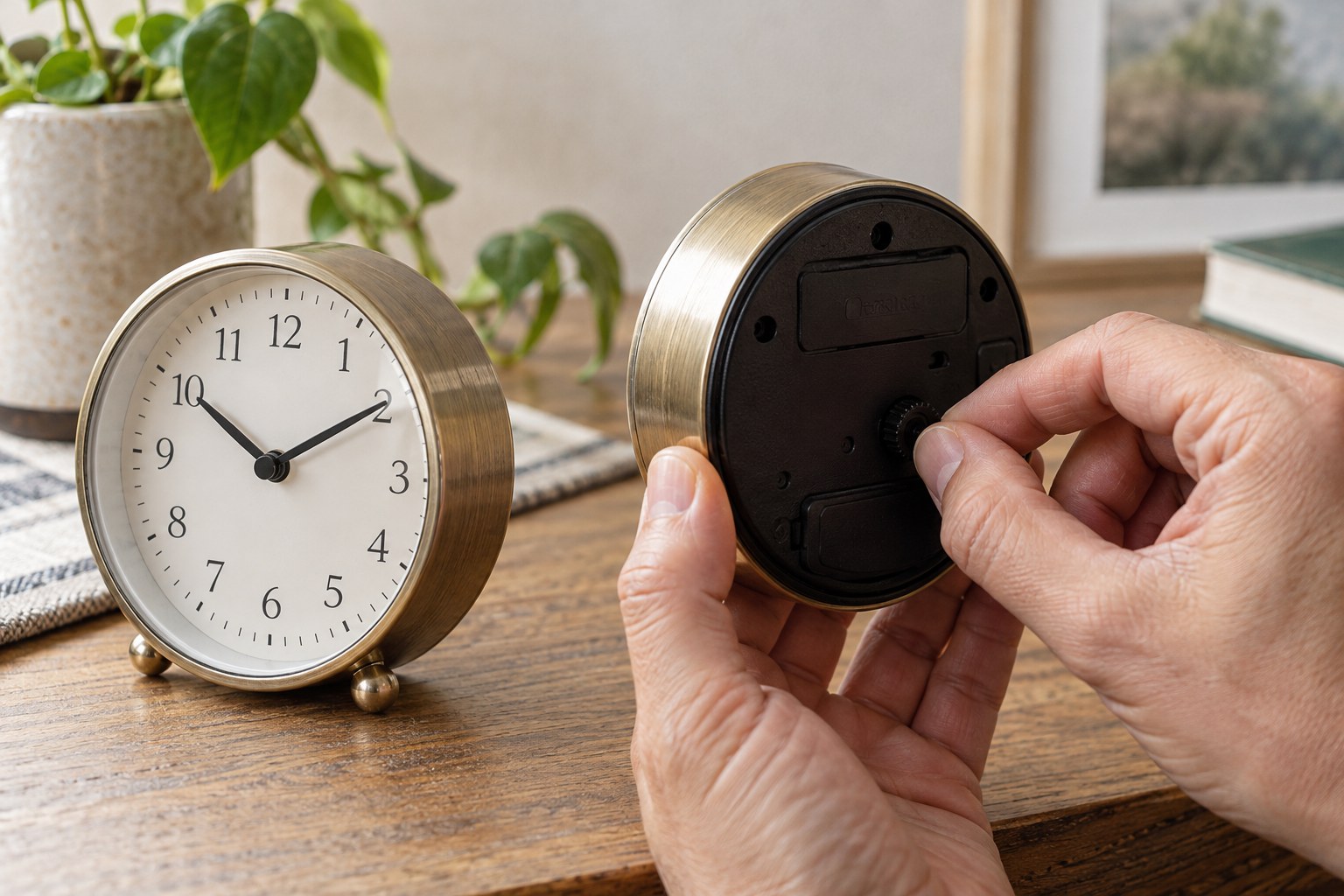
Changing the time without forcing the hands
Find the correct setting method before touching the hands or turning an unfamiliar control.
Read the notes ↗
When to leave a vintage clock untouched
Age, uncertain materials and fragile surfaces can make restraint the most useful first step.
Read the notes ↗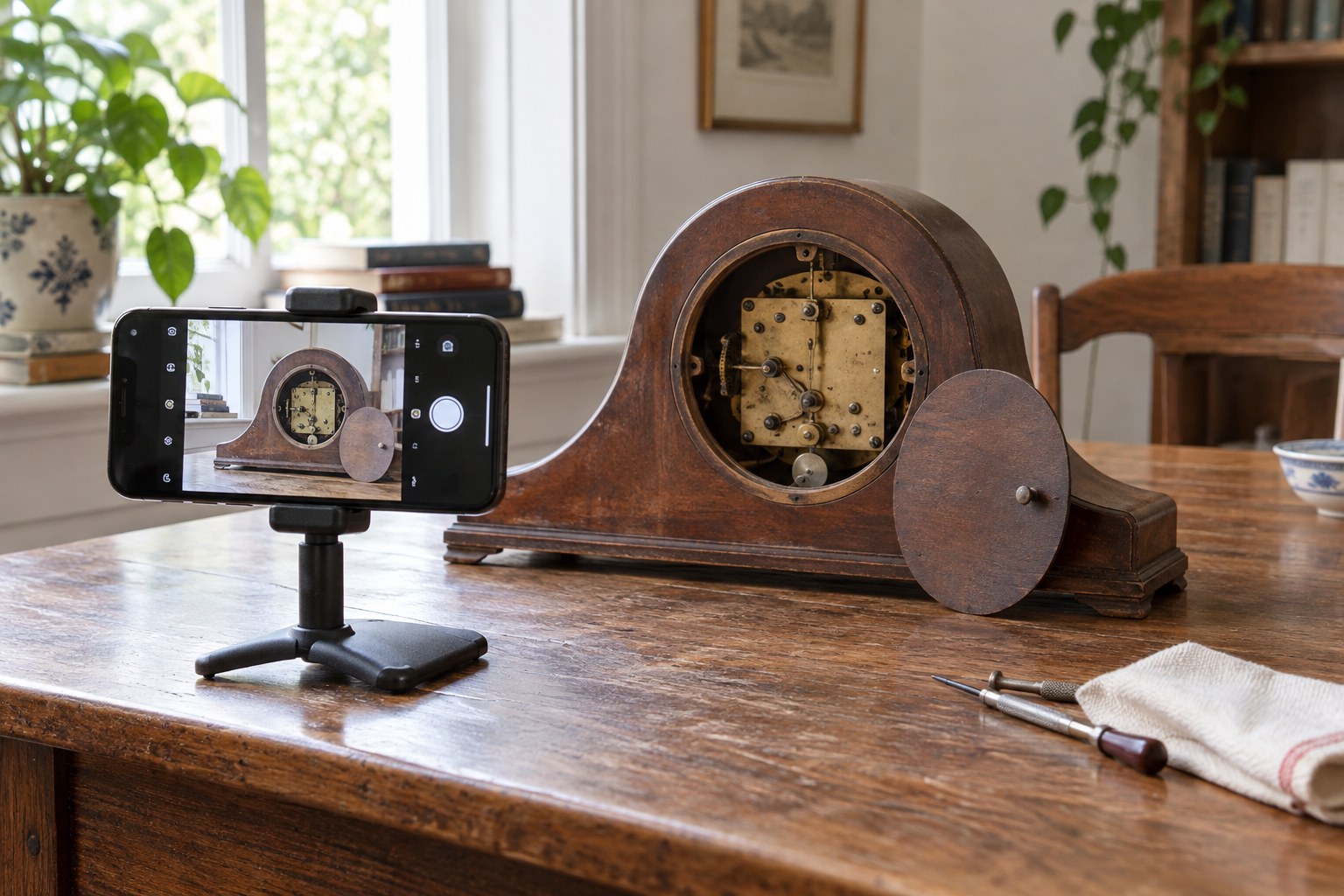
Photographing a clock before a repair enquiry
Clear, labelled photographs can make an initial repair conversation much more productive.
Read the notes ↗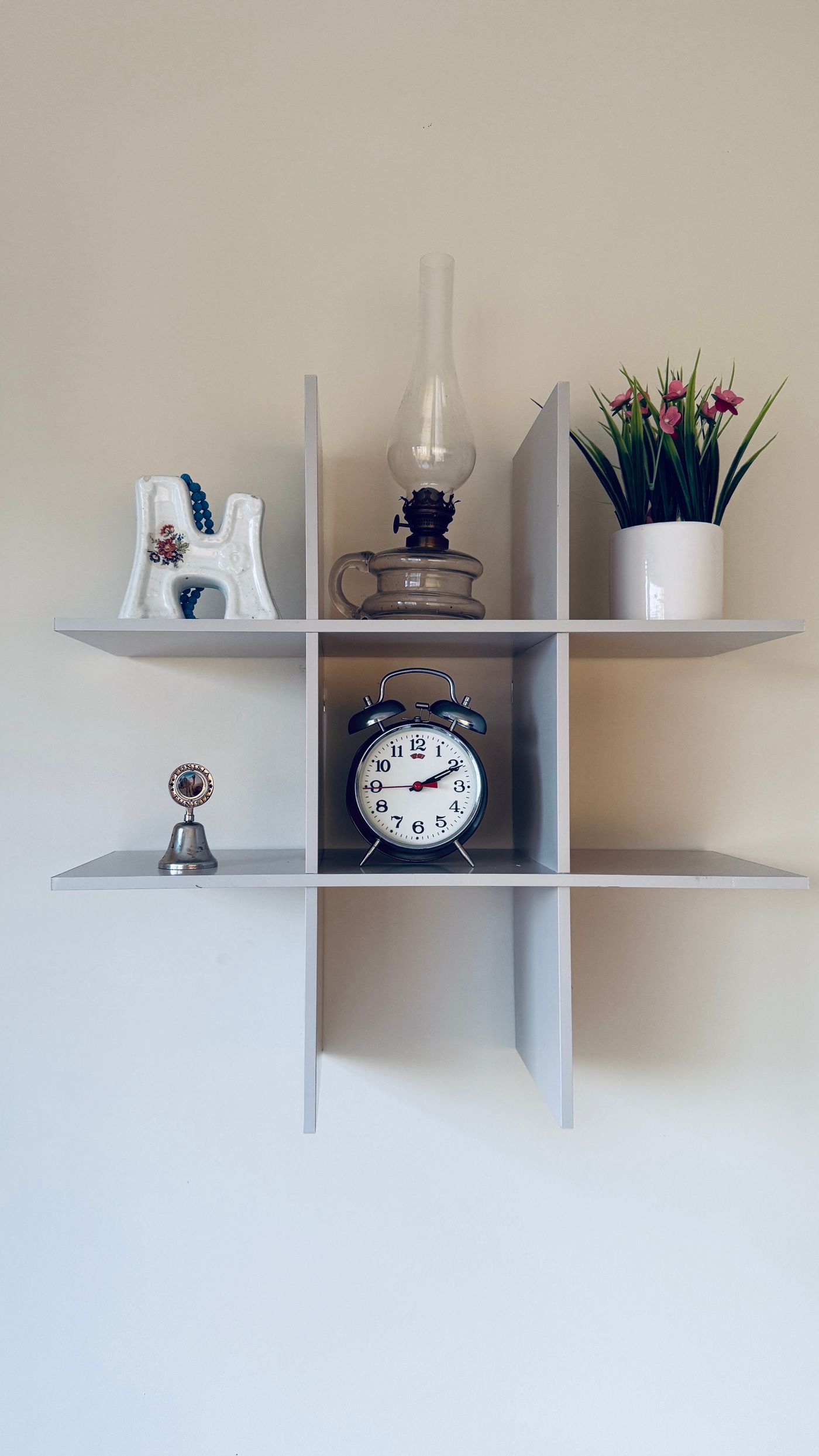
Choosing a place to store an unused clock
Storage should protect the case and vulnerable projections while keeping the clock easy to identify later.
Read the notes ↗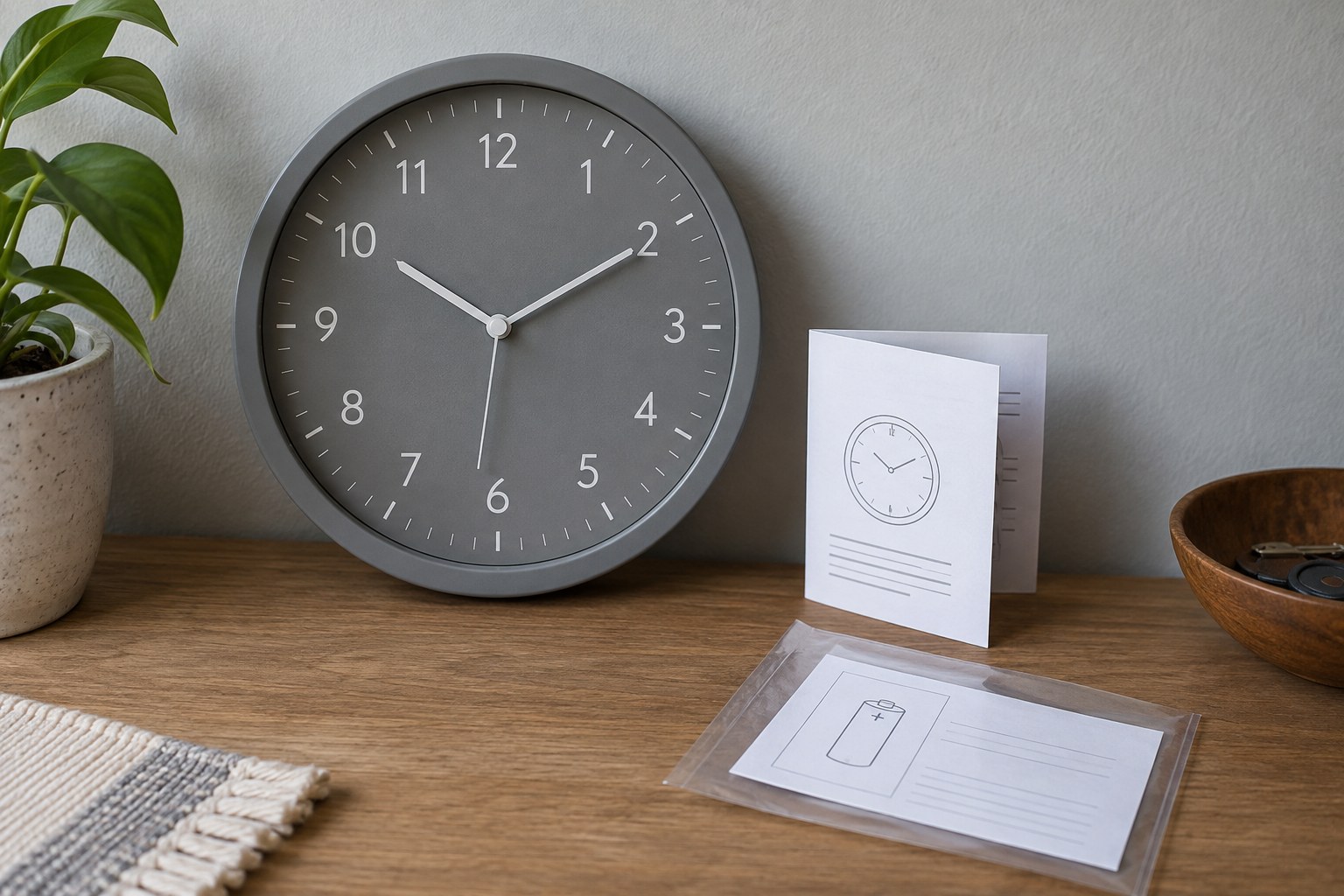
What to keep from a clock's instructions
Keep the pages that explain your exact model, including the small details hidden beside the diagrams.
Read the notes ↗